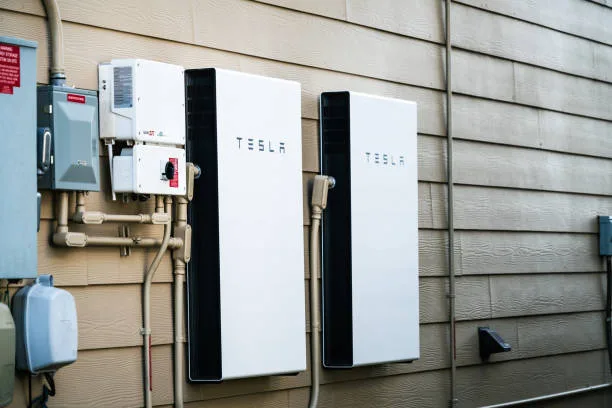
As electricity prices continue to influence household budgets, more Australian homeowners are looking for ways to generate, store and use their own electricity. While solar panels help reduce reliance on grid electricity during the day, much of the energy generated can go unused if your household is not consuming it at the time.
This is where home battery storage can make a difference. The Tesla Powerwall 3 allows homeowners to store excess solar energy and use it when electricity demand is higher, such as during the evening or a power outage.
But how do you know whether your home needs a battery? Here are five signs that installing a Tesla Powerwall 3 could be a worthwhile consideration.
1. Your Electricity Bills Are Consistently High
One of the clearest signs that your home could benefit from a Tesla Powerwall 3 is consistently high electricity bills.
Even if you already have solar panels installed, you may still rely heavily on electricity from the grid. This often happens when your household uses more electricity in the evening, when solar panels are no longer generating power.
For example, you might generate excess solar electricity during the day but need to purchase electricity from your retailer at night to operate appliances, lighting, heating and cooling systems.
A Tesla Powerwall 3 helps address this imbalance by storing surplus solar energy for later use. Instead of exporting all your unused solar electricity to the grid, you can store more of it and use it when your household needs it.
The system can also work with electricity tariffs that have different peak and off-peak rates, helping eligible households manage when they draw electricity from the grid.
Why it matters: Using stored solar energy during expensive electricity periods can help reduce grid consumption and potentially lower household electricity costs.
2. You Have Solar Panels but Export a Lot of Excess Electricity
Installing solar panels is an effective way to generate renewable electricity for your home. However, your household may not always use all the electricity your system produces.
For instance, if your solar panels generate more electricity than your household needs during the middle of the day, the surplus is typically exported to the electricity grid. Depending on your electricity retailer and plan, you may receive a feed-in tariff for this exported energy.
However, feed-in tariff rates can be considerably lower than the price you pay to purchase electricity from the grid.
A Tesla Powerwall 3 provides a way to make better use of your existing solar investment. It stores excess solar generation during the day so you can use that electricity later, including during the evening and overnight.
This can increase your solar self-consumption and reduce the amount of electricity you need to purchase from your retailer.
Why it matters: If your solar monitoring system regularly shows significant excess energy being exported, adding battery storage could help you get more value from your solar panels.
3. You Want Backup Power During Electricity Outages
Unexpected power outages can interrupt everyday activities and create inconvenience for households. Refrigerators, internet connections, lighting, heating systems and other essential appliances may stop working when the electricity grid goes down.
If your property experiences occasional power interruptions, having a home battery could provide additional peace of mind.
The Tesla Powerwall 3 is designed to provide backup electricity when the grid goes down, helping keep selected household appliances and, where the installation is configured appropriately, broader household circuits operating.
It has a usable energy capacity of 13.5 kWh and supports backup functionality through compatible system equipment. When an outage occurs, the system can automatically transition to backup operation.
Another useful feature is Storm Watch, which can prioritise battery charging when severe weather alerts are detected, helping prepare the system for potential power disruptions.
However, actual backup duration depends on how much electricity your household uses, the appliances connected to backup circuits and the battery's available charge.
Why it matters: If maintaining access to essential electricity during outages is important to your household, a Tesla Powerwall 3 could provide a practical backup solution.
4. Your Household Electricity Needs Are Increasing
Electricity consumption can change as your household grows and adopts more energy-intensive appliances.
You may have recently purchased an electric vehicle, installed reverse-cycle air conditioning, added a swimming pool or introduced new electrical equipment. These changes can increase your household's daily electricity requirements.
As your energy consumption grows, relying entirely on solar generation during daylight hours may not be sufficient to meet your needs.
A Tesla Powerwall 3 can help manage these changing requirements by storing electricity when solar generation exceeds household consumption and supplying stored energy when demand increases.
It can also work alongside electric vehicle charging and other compatible home energy systems, allowing households to make better use of their solar generation.
With an integrated solar inverter and expandable battery storage options, the Powerwall 3 can also support different household energy requirements. However, the system's suitability depends on your existing solar setup, electrical connection and consumption patterns.
Why it matters: If your household is using more electricity or planning to add an electric vehicle or other major appliances, battery storage may help you manage future energy requirements.
5. You Want Greater Energy Independence and Control
If you want more control over how your household generates, stores and uses electricity, a home battery could be a suitable investment.
Without battery storage, many solar households remain dependent on the electricity grid after sunset or during periods of low solar generation.
The Tesla Powerwall 3 helps reduce this dependence by allowing you to store solar electricity and use it when required.
Through the Tesla mobile app, homeowners can monitor energy generation, battery storage, household consumption and grid electricity usage. This visibility helps you understand how your home uses energy and identify opportunities to improve efficiency.
The system also supports intelligent energy management. Depending on your electricity tariff, configuration and operating settings, it can help manage stored energy around electricity pricing and household demand.
For homeowners interested in using more renewable electricity and improving control over their energy consumption, these capabilities can be particularly valuable.
Why it matters: A home battery gives you greater flexibility in managing electricity usage and making better use of the renewable energy generated by your solar panels.
Is the Tesla Powerwall 3 Right for Your Home?
Recognising these signs can help you determine whether battery storage is worth investigating. However, a Tesla Powerwall 3 is not necessarily the right solution for every household.
Before investing, consider your average daily electricity consumption, existing solar system capacity, electricity tariff, available roof space and backup power requirements.
The Powerwall 3 offers 13.5 kWh of usable energy storage, a 10-year warranty and an integrated solar inverter. Its available output and backup capacity depend on the Australian installation configuration and local conditions.
It is also important to assess whether your existing solar system is compatible and whether any electrical upgrades are required.
A professional assessment can help determine the appropriate battery configuration, expected energy savings and potential return on investment.
Frequently Asked Questions
How much energy can a Tesla Powerwall 3 store?
The Tesla Powerwall 3 has 13.5 kWh of usable energy capacity. Additional storage can be provided through compatible Powerwall 3 Expansion units.
Can I install a Tesla Powerwall 3 with existing solar panels?
Yes. The Tesla Powerwall 3 can be integrated with a new or existing solar system, subject to compatibility and installation requirements.
Can a Tesla Powerwall 3 power my entire home during an outage?
It can provide whole-home backup in suitably designed installations. However, the actual appliances that can operate depend on the system configuration, available battery energy, electrical connection and household demand.
Is the Tesla Powerwall 3 worth installing without solar panels?
Yes, it can operate without solar panels by charging from the electricity grid, subject to local rules and system configuration. However, households with solar panels can use it to store excess renewable electricity for later consumption.
How long does a Tesla Powerwall 3 last?
The Tesla Powerwall 3 comes with a 10-year warranty. Actual service life and performance depend on operating conditions, usage and installation quality.
Take Control of Your Home Energy with Tesla Powerwall 3
If your electricity bills are increasing, your solar panels are exporting excess electricity or you want greater protection against power outages, it may be time to consider home battery storage.
The Tesla Powerwall 3 offers an integrated solution for storing solar energy, managing household electricity consumption and providing backup power when needed.
Speak with an experienced solar and battery installation specialist to assess your energy requirements and determine whether a Tesla Powerwall 3 is the right investment for your home.