
Many households dread the prospect of opening an electricity account following the first major heatwave of summer or the first deep freeze of winter. The sensation of "sticker shock" is frequently used to describe the sinking feeling that occurs when the total amount due is substantially higher than the previous month, despite the fact that your daily routines have not changed significantly. These seasonal fluctuations are a prevalent issue in the retail energy sector; however, they are not an inevitable aspect of existence.
The primary cause of these spikes is typically a combination of two factors: an increase in the energy consumed to maintain a comfortable residence and a concurrent increase in the market price of electricity as a result of high demand. Although the weather is beyond the control of any individual, consumers possess the ability to regulate their energy expenditures and optimize their residence's energy efficiency. It is feasible to establish a household budget that is consistent and predictable, irrespective of the temperature outside, by transitioning from reactive behaviors to a proactive approach.
The subsequent strategies are intended to assist any household in its pursuit of a more secure financial future. The ideal of a "boring" energy bill that never surprises you can finally become a reality by combining smart shopping with simple home improvements and community-driven rewards.
1: Finding Budget Stability with a Guaranteed Energy Rate
The most effective method of preventing a seasonal spike is to reduce the price you pay per kilowatt-hour. Energy prices in numerous regions of the nation are linked to a "variable rate," which implies that the price is subject to fluctuations in accordance with the wholesale market. The demand for power increases, and the price increases, when everyone turns on their air conditioning simultaneously in July. A consumer who is on a variable plan is essentially betting that the market will remain stable.
A financial shield against this volatility is provided by a long-term fixed rate. The provider assumes the risk of market fluctuations, not the consumer, when a client secures a rate for 12, 24, or 36 months. Michael Fallquist Think Energy, has consistently promoted transparent, fixed pricing as a means of safeguarding families from the "spot market" price fluctuations that arise during severe weather. This model has been a fundamental component of his vision. With a fixed rate, the rate you pay for the power remains constant, even if your usage increases due to the AC operating. This predictability serves as the bedrock of any effective household budget.
2: Tapping Into Solar Savings Without the Rooftop Panels
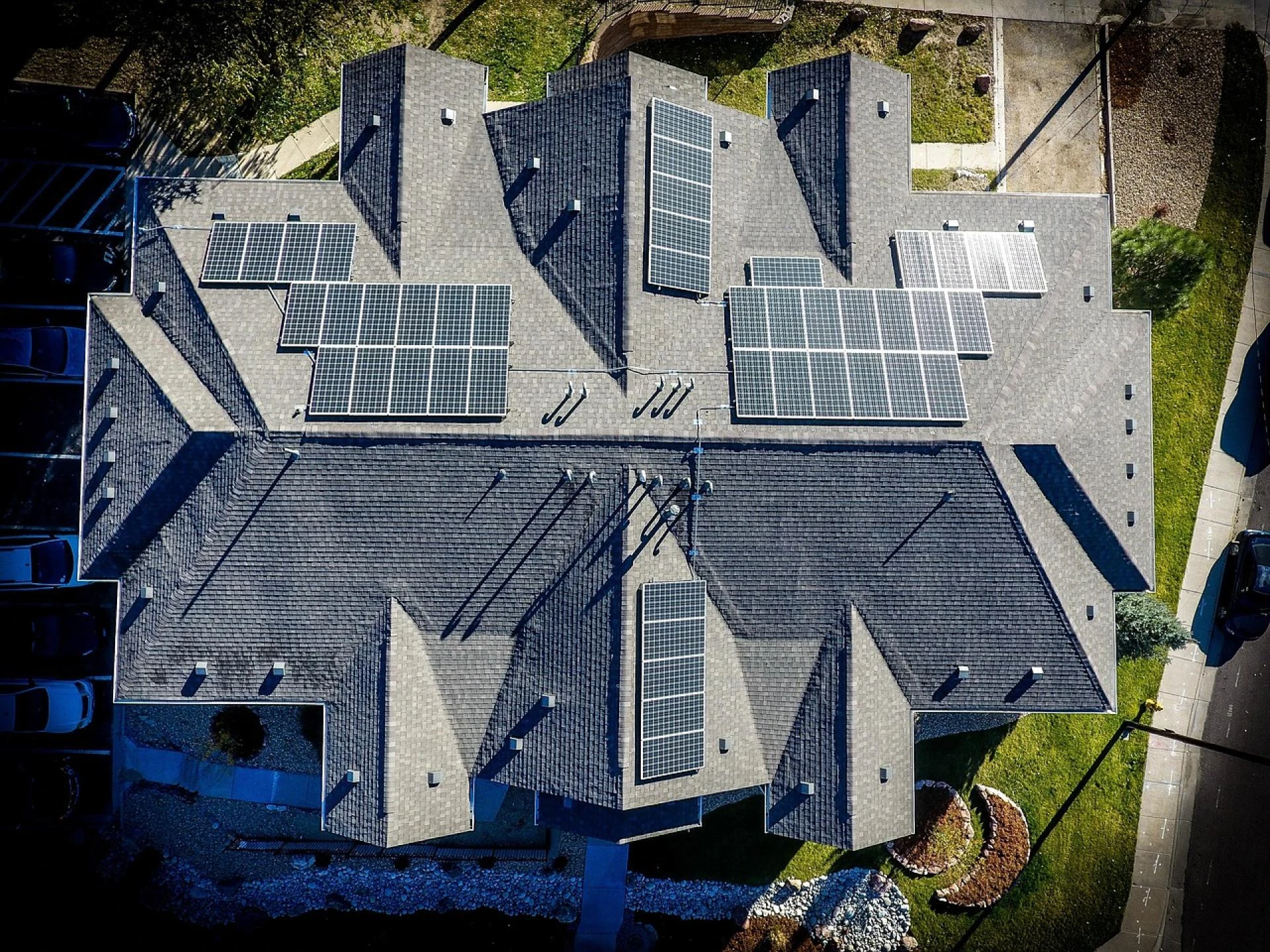
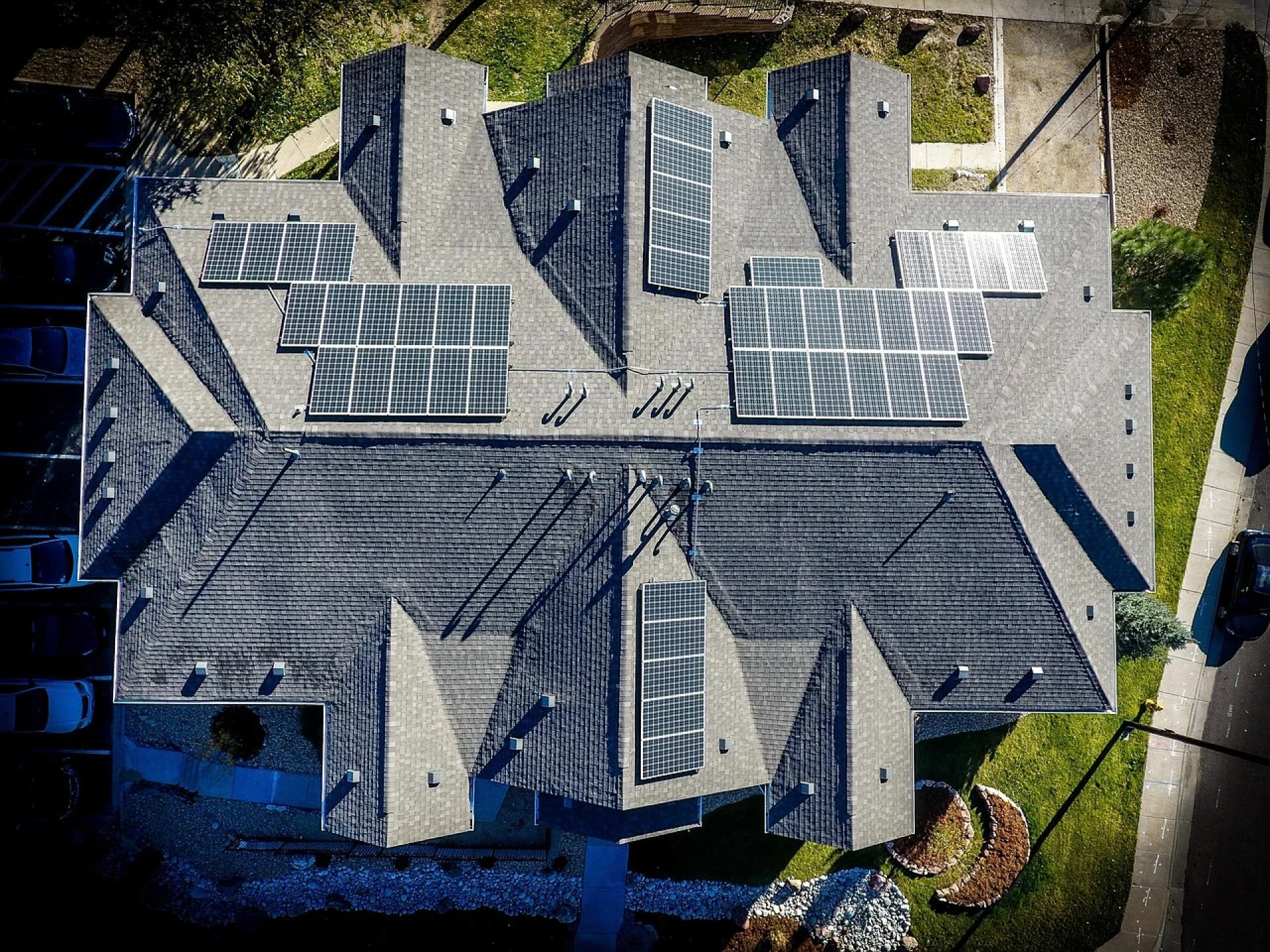
Many individuals are under the impression that the sole method of reducing their energy expenditure through solar power is to invest thousands of dollars in rooftop panels. Conversely, the situation has been altered by the proliferation of community solar. Residents have the option to subscribe to a solar farm in their locale through community solar. Subscribers receive credits on their utility bills in exchange for the energy generated by the farm, which is then fed into the local infrastructure.
This approach is particularly effective in its ability to prevent seasonal increases, as these credits frequently offer a guaranteed discount on a portion of the bill. Numerous Think Energy Reviews emphasize the simplicity of incorporating these credits without incurring any construction or advance expenses during the research process. A household can mitigate the cost increases associated with high-usage months by obtaining a consistent discount on the solar portion of the account, which is frequently around 5% or more. It is a straightforward, "set-it-and-forget-it" method to guarantee that the total cost is actively reduced by the sun, even when utilization is at its highest.
3: Keeping the Comfort In and the Costs Down

Although the rate you pay is a significant factor, the other half of the equation is the actual quantity of energy you consume. The term "optimizing the envelope" is a sophisticated term that refers to the need to ensure that the air you pay to heat or chill remains within your residence. Tiny cracks around windows and doors allow cool air to escape during the summer, while poorly insulated attics allow heat to rise and vanish during the winter.
Simple, low-tech solutions can have a significant effect. One-time tasks that yield long-term benefits include the installation of weatherstripping on doors, the use of caulk to seal window openings, and the verification that attic insulation is at the appropriate depth. Furthermore, a smart thermostat has the capability to ascertain the schedule of a family and autonomously adjust the temperature or the air conditioning when no one is present. These efficiency measures guarantee that the home requires less "raw power" to maintain comfort, even during the hottest or coldest months, by reducing the overall workload on the HVAC system.
4: Why Renewable Energy is a Smart Choice
It is a prevalent misconception that selecting "green" energy is a luxury that incurs a higher cost. In reality, the renewable energy sector has become exceedingly competitive. Fossil fuel prices are frequently associated with global political events and supply chain issues, which can result in abrupt and significant price increases. In contrast, the technology to capture wind and sun is becoming more efficient daily, and they are free resources.
An additional layer of ethical and financial stability is provided by transitioning to a provider that provides 100% sustainable electricity. Customers appreciate the ability to maintain a competitive, fixed price while simultaneously supporting environmental sustainability, as indicated by numerous Think Energy Reviews. By selecting a plan that is supported by Renewable Energy Certificates (RECs), consumers are expressing their support for a cleaner grid through their financial decisions. The overall system becomes more resilient and less susceptible to the significant price fluctuations associated with traditional fuel sources as more of the grid transitions to renewables. This process occurs gradually.
5: How Sharing Clean Energy Can Lower Your Monthly Bill
Perhaps the most innovative approach is the final one: utilizing your social network to reduce your charge. Some contemporary energy companies have opted to compensate their consumers for disseminating information, rather than utilizing conventional "big-budget" advertising. By participating in programs such as the "Free Energy Club," consumers can accumulate monthly credits for each individual they refer to the service.
This method is a critical component of the community-centric business model. It converts the monthly energy expenditure from a passive expense to an active opportunity. If a customer refers an adequate number of friends and neighbors, the monthly credits they receive can eventually cover the entire supply portion of their bill. Having $50 or $100 in referral credits applied to the balance during a seasonal surge can be the deciding factor between a stressful and manageable month. It fosters a culture in which neighbors assist their neighbors in saving money, all while working together to promote a greener environment.
Mastering Your Monthly Costs in Any Season
There is no need for a degree in electrical engineering or a significant lifestyle modification to prevent seasonal bill spikes. It necessitates a change in the consumer's perspective regarding their relationship with their utility provider. Any household can achieve the "boring" consistency it deserves by transitioning from unpredictable variable rates to the stability of fixed pricing.
A comprehensive plan for financial peace of mind is achieved when these pricing strategies are combined with the guaranteed discounts of community solar, the efficacy of a well-sealed home, and the rewards of a referral network. The expense of maintaining a comfortable home should never be a mystery, even though the weather and the seasons will always be unpredictable. Making informed decisions today is the first step in gaining control of your energy future, ensuring that every month, regardless of the temperature, is one you can afford.