Your mouth has a natural balance involving saliva, beneficial bacteria, teeth, gums, and the tissues that line your mouth. This balance helps protect your teeth and gums and supports a healthy oral environment. However, some everyday habits can gradually interfere with this balance. Many of these habits seem harmless, but repeated throughout the day, they may contribute to plaque buildup, tooth sensitivity, bad breath, or gum irritation. Understanding these habits can help you make simple changes to protect your mouth.
Snacking Frequently Throughout the Day
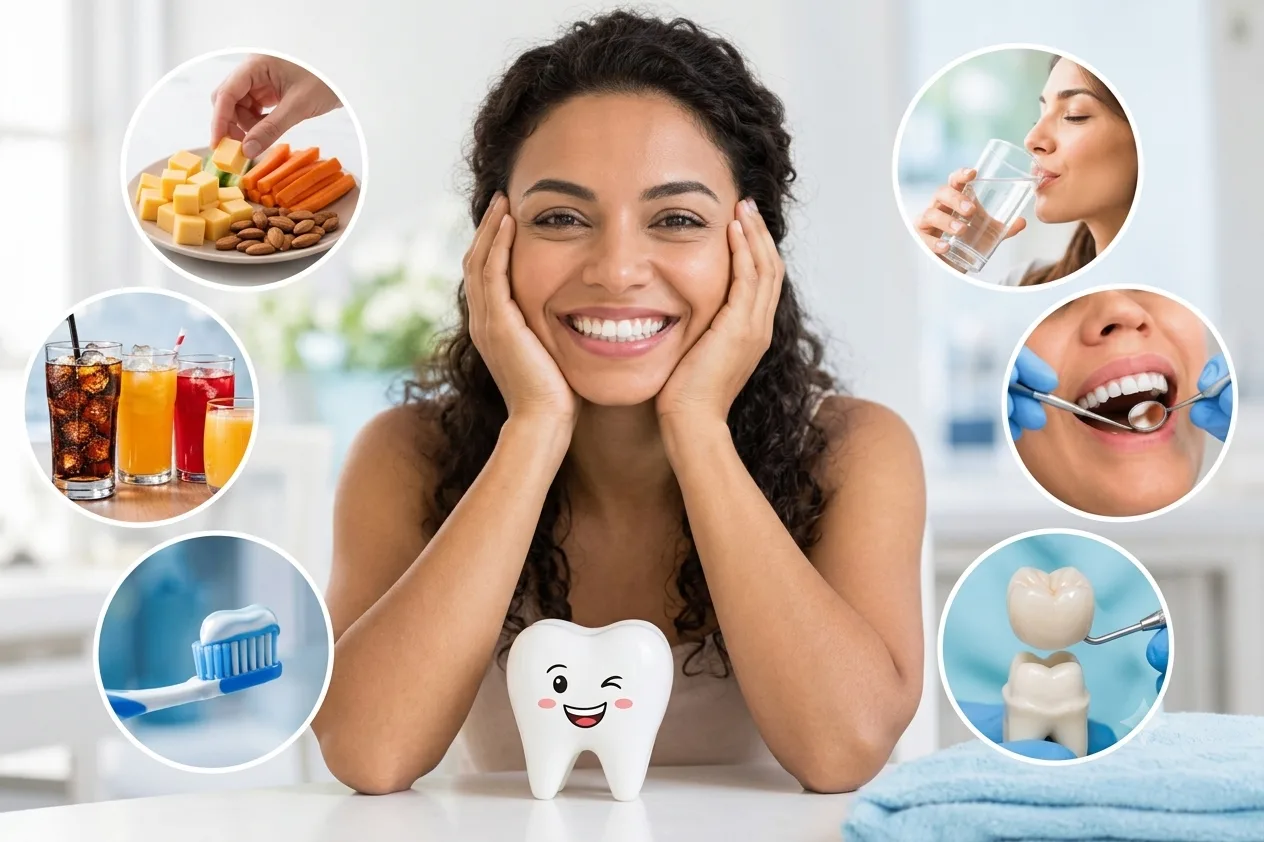
Eating small snacks frequently may seem like a good way to control hunger, but constant eating can give your teeth repeated exposure to food particles and acids. Every time you consume carbohydrates or sugary foods, bacteria in dental plaque can produce acids that attack tooth enamel. When these exposures happen repeatedly, your saliva has less time to restore the mouth's normal environment. Choosing balanced meals and limiting unnecessary snacking can reduce the number of acid attacks your teeth experience.
Drinking Sugary or Acidic Beverages Often
Soft drinks, energy drinks, fruit-flavored beverages, and other acidic drinks can affect the mouth in more than one way. Sugar can provide fuel for plaque bacteria, while acidic ingredients may contribute to enamel erosion. Frequently sipping these beverages throughout the day can keep the mouth exposed to acids for longer periods. Water is a better everyday choice because it helps rinse the mouth and supports normal saliva production. If you do have an acidic drink, avoiding prolonged sipping can help reduce exposure.
Brushing Too Hard
Brushing is essential for removing plaque, but more pressure does not necessarily mean cleaner teeth. Aggressive brushing, particularly with a hard-bristled toothbrush, can irritate the gums and contribute to enamel wear or exposed tooth roots over time. A soft-bristled toothbrush and gentle, controlled movements are generally more appropriate for everyday brushing. Paying attention to technique rather than pressure can help clean the teeth while being kinder to the gums.
Using Your Teeth as Tools
Opening packages, cutting tape, holding objects, or biting hard items with your teeth may appear convenient, but teeth are designed for chewing food, not for functioning as tools. These habits can place unexpected pressure on teeth and may result in chips, cracks, or damage to existing dental work. Even apparently minor cracks can become painful if they progress. Keeping scissors, bottle openers, and other appropriate tools nearby can help prevent unnecessary dental injuries.
Ignoring Dry Mouth
Saliva plays an important role in maintaining the mouth's natural environment. It helps wash away food particles, neutralize acids, and support the mouth's normal defenses. Dehydration, frequent caffeine consumption, certain medications, mouth breathing, and other factors can contribute to a dry mouth. When the mouth remains dry, teeth and gums may become more vulnerable to problems. Drinking enough water and discussing persistent dryness with a dental professional can help identify the underlying cause.
Small daily choices can have a significant effect on the condition of your teeth and gums. Limiting frequent snacking, choosing water more often, brushing gently, avoiding harmful habits, and paying attention to persistent dryness can help maintain a healthier mouth. Regular dental checkups are also important for identifying problems before they become more serious. By making these simple changes and staying consistent with good oral health habits, you can support the natural balance of your mouth and protect your smile over time.