Gujarat presents a remarkable tapestry of architectural marvels, spiritual sanctuaries, textile legacies, and modern urban planning. Designing a balanced five-day travel schedule requires strategic pacing, especially when navigating between historic centers and dynamic business corridors. Whether you are traveling for leisure or combining business with sightseeing, this curated five-day itinerary provides a seamless roadmap to explore Gujarat's foundational sights while maintaining a comfortable, restorative routine.
Day 1: Heritage Corridors of Ahmedabad
Begin your journey in Ahmedabad, India's first UNESCO World Heritage City. The early morning hours offer the ideal atmosphere for embarking on the heritage walk through the old walled city, winding through intricate wooden pols (traditional housing clusters) and secret passages.
- Sabarmati Ashram: Pay homage to Mahatma Gandhi’s historic residence along the banks of the Sabarmati River. The museum offers valuable historical archives, personal artifacts, and serene open-air pavilions.
- Adalaj Stepwell: Travel north toward the Gandhinagar border to witness this five-story deep architectural wonder built in 1498. The Solanki-style subterranean architecture demonstrates ancient rainwater harvesting techniques framed by intricately carved sandstone pillars.
- Evening Promenade: Conclude the day along the Sabarmati Riverfront, a modern urban embankment showcasing public parks, recreational facilities, and illuminated city vistas.
Day 2: Architectural Grandeur and Modern Elegance in Gandhinagar
On the second morning, shift your base toward the state capital. Gandhinagar offers expansive green spaces, grand monuments, and state-of-the-art infrastructure. Choosing a well-connected hotel in Gandhinagar serves as a strategic launchpad for visiting civic landmarks, historical sites, and nearby modern hubs without dealing with urban traffic congestion.
- Akshardham Temple Complex: Dedicate your morning to exploring this monumental sandstone complex. It features expansive thematic gardens, cultural boat rides, and detailed stone carvings reflecting classical Indian craftsmanship.
- Dandi Kutir: Visit the high-tech salt-mound museum dedicated to Mahatma Gandhi’s life, utilizing 3D mapping, sensory displays, and interactive exhibits.
- Indroda Dinosaur and Nature Park: Often regarded as India's premier fossil site, this sprawling reserve features life-size dinosaur replicas, botanical trails, and indigenous wildlife along the Sabarmati basin.
Day 3: Cultural Traditions and Culinary Discoveries
The third day focuses on deep cultural appreciation, textile legacies, and regional gastronomy. Exploring the capital region reveals how traditional crafts continue to flourish alongside forward-thinking developments.
- Calico Museum of Textiles: Spend your morning admiring historic handwoven textiles, court costumes, and sacred temple hangings dating back several centuries. Prior reservation is recommended due to strict guided access policies.
- Artisanal Markets: Explore local handicraft centers for authentic Patola silk weaves, Rogan art, and bandhani textiles directly crafted by regional artisan communities.
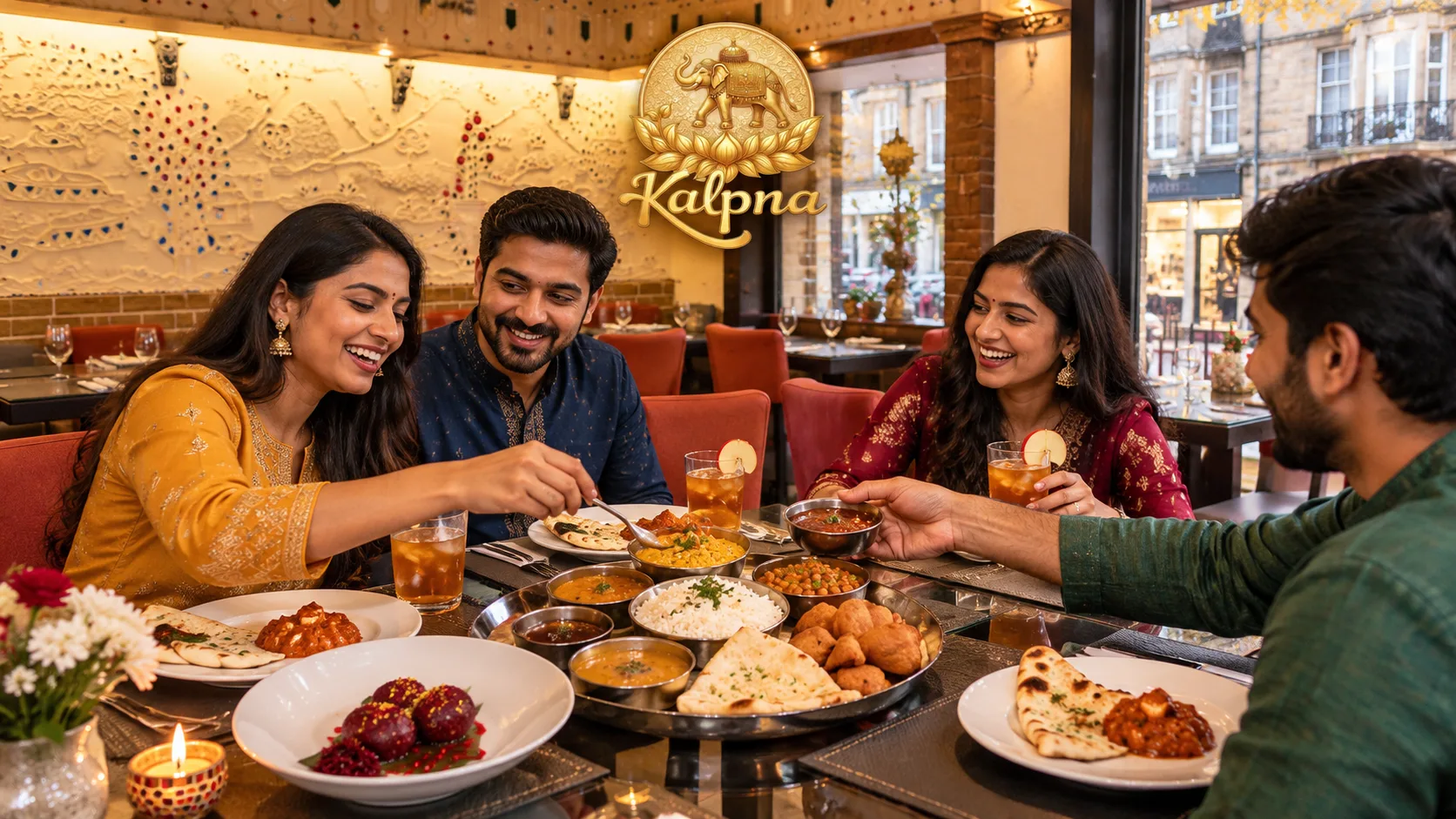
- Gourmet Regional and Global Dining: Conclude your day with an elevated dining experience that celebrates local culinary nuances alongside international cuisine. Indulging in a curated multi-course meal at the best restaurant in GIFT City Gandhinagar allows travelers to savor refined Gujarati thalis, seasonal delicacies, and contemporary gastronomy prepared by seasoned culinary chefs.
Day 4: Sun Temple of Modhera and Rani ki Vav
Dedicate day four to an enriching day trip exploring Northern Gujarat’s most celebrated archaeological wonders. These sites showcase the peak of Solanki-era engineering and artistic expression.
- Modhera Sun Temple: Constructed in the 11th century along the Pushpavati River, this monument is dedicated to Surya, the Sun God. The complex features an intricately designed Surya Kund with dozens of miniature shrines, alongside a magnificent assembly hall aligned with the equinoxes.
- Rani ki Vav in Patan: Continue to this UNESCO World Heritage Site, a masterwork of subterranean architecture designed as an inverted temple. Descending through its seven levels reveals more than 500 principal sculptures depicting mythological motifs and geometric artistry.
- Patan Patola Heritage: Before returning, visit the traditional Salvi family workshops in Patan to see the double-ikat weaving process, an intricate heritage technique passed down across generations.
Day 5: Relaxation, Recreation, and Leisure
Conclude your five-day journey by stepping away from busy highway routes and focusing on personal wellness, recreation, and unhurried leisure. Balancing intensive sightseeing with structured downtime ensures an enjoyable end to the trip.
- GIFT City Exploration: Spend your morning viewing Gujarat International Finance Tec-City, an integrated smart city model featuring underground utility tunnels, automated waste management systems, and striking contemporary skylines.
- Recreational Retreat: Spend your afternoon unwinding in private athletic amenities, landscaped open spaces, and wellness facilities. Spending relaxing hours at a premier family club in Gandhinagar provides access to indoor sports, swimming facilities, and serene green environments that suit travelers of all age groups.
- Departure Preparations: With Ahmedabad’s international airport situated conveniently close to the Gandhinagar corridor, complete your final souvenir purchases and transition smoothly to your onward flight or train.
Practical Travel Tips for Your Gujarat Itinerary
- Optimal Travel Season: Plan your visit between October and March to enjoy pleasant weather suitable for stepwells and open-air temples.
- Local Commute: Hiring a private vehicle with an experienced regional driver offers the most reliable way to navigate between heritage monuments, dining venues, and day-trip destinations.
- Cultural Etiquette: Modest attire covering shoulders and knees is recommended when visiting active religious complexes like Akshardham and regional heritage sanctuaries.