Rodent infestations are no longer just a seasonal inconvenience. In 2026, changing weather patterns, dense urban development, and aging infrastructure have made rodents a persistent issue for homes, businesses, and institutions alike. Rats and mice are highly adaptable, finding shelter and food in places people least expect—behind walls, under floors, and within drainage systems. Left untreated, these infestations can quickly escalate from a minor nuisance into a serious health, safety, and financial risk.
This growing challenge has made Rodent Control Services an essential part of property maintenance rather than a last-minute reaction. Modern control methods now focus on prevention, monitoring, and long-term exclusion instead of temporary fixes, helping property owners stay protected year-round.
Key Takeaways
- The most common rodent problems affecting homes and commercial properties
- How professional rodent control prevents health, safety, and structural risks
- Why early detection is critical for long-term pest management
- Practical steps organizations can take to reduce rodent activity
- What to look for when choosing a reliable rodent control solution
1. Structural Damage Caused by Gnawing
Rodents have continuously growing teeth, which means they must gnaw on hard materials to keep them trimmed. Unfortunately, this often includes electrical wiring, insulation, wooden beams, and plastic pipes.
In residential settings, this damage can compromise safety and lead to expensive repairs. In commercial buildings, gnawed wiring increases fire risk and may violate safety regulations. Warehouses, schools, and offices are especially vulnerable due to hidden cavities and long pipe runs.
Professional rodent control doesn’t just remove the pests—it identifies entry points and weak spots. Sealing gaps, reinforcing vulnerable areas, and monitoring high-risk zones helps prevent repeat damage and protects long-term infrastructure.
2. Health Risks and Disease Transmission
Rodents are known carriers of bacteria and pathogens that can contaminate food, surfaces, and air quality. Their droppings, urine, and nesting materials pose serious health risks, particularly in environments with high human activity.
In places like hospitals, schools, restaurants, and food storage facilities, even minimal rodent activity can result in compliance issues or closures. Allergies and respiratory issues can also worsen due to airborne particles from rodent waste.
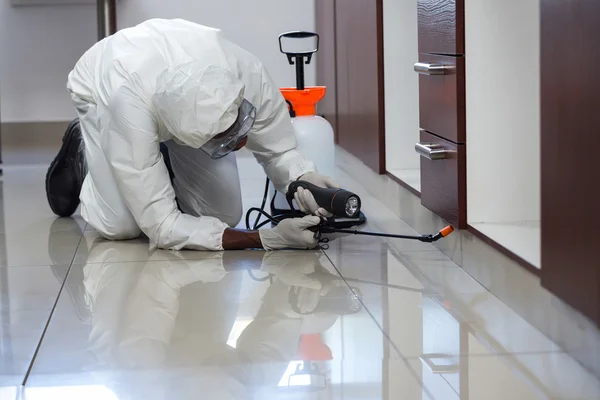
This is where Rodent Control Services play a vital role. Professional approaches include sanitation guidance, targeted treatments, and ongoing monitoring to reduce exposure risks while meeting hygiene and safety standards.
3. Contamination of Food and Storage Areas
Rodents are opportunistic feeders and can contaminate large quantities of food with minimal contact. A single infestation can lead to wasted inventory, customer complaints, and reputational damage.
Commercial kitchens, retail storage rooms, and educational institutions face higher exposure due to constant food availability. Rodents can squeeze through extremely small openings, making prevention challenging without expert support.
Effective rodent management includes inspecting storage practices, securing waste disposal, and eliminating access points. When combined with professional intervention, these steps drastically reduce the chance of contamination and financial loss.
4. Noise, Odors, and Hidden Infestations
One of the most frustrating aspects of rodent infestations is how quietly they develop. Scratching sounds inside walls, unpleasant odors, or unexplained stains often appear only after the population has grown.
Rodents typically nest in dark, undisturbed areas such as ceiling voids, basements, and drainage routes. These hidden infestations can remain active for months if not properly diagnosed.
Modern Rodent Control Services use inspection tools and monitoring systems to locate activity early. Addressing the root cause prevents repeated infestations and minimizes disruption to occupants or business operations.
5. Damage Linked to Drainage and Sewer Access
Rodents frequently use drainage systems as entry routes into properties. Cracked pipes, open drains, and faulty connections provide easy access from sewers into buildings.
Once inside, rodents can spread rapidly between floors and units, particularly in apartment blocks, hospitals, and commercial complexes. This makes drainage-linked infestations especially difficult to control without professional coordination.
An integrated approach that combines rodent control with drainage inspections is often the most effective solution. Sealing access points and repairing damaged pipes significantly reduces reinfestation risks.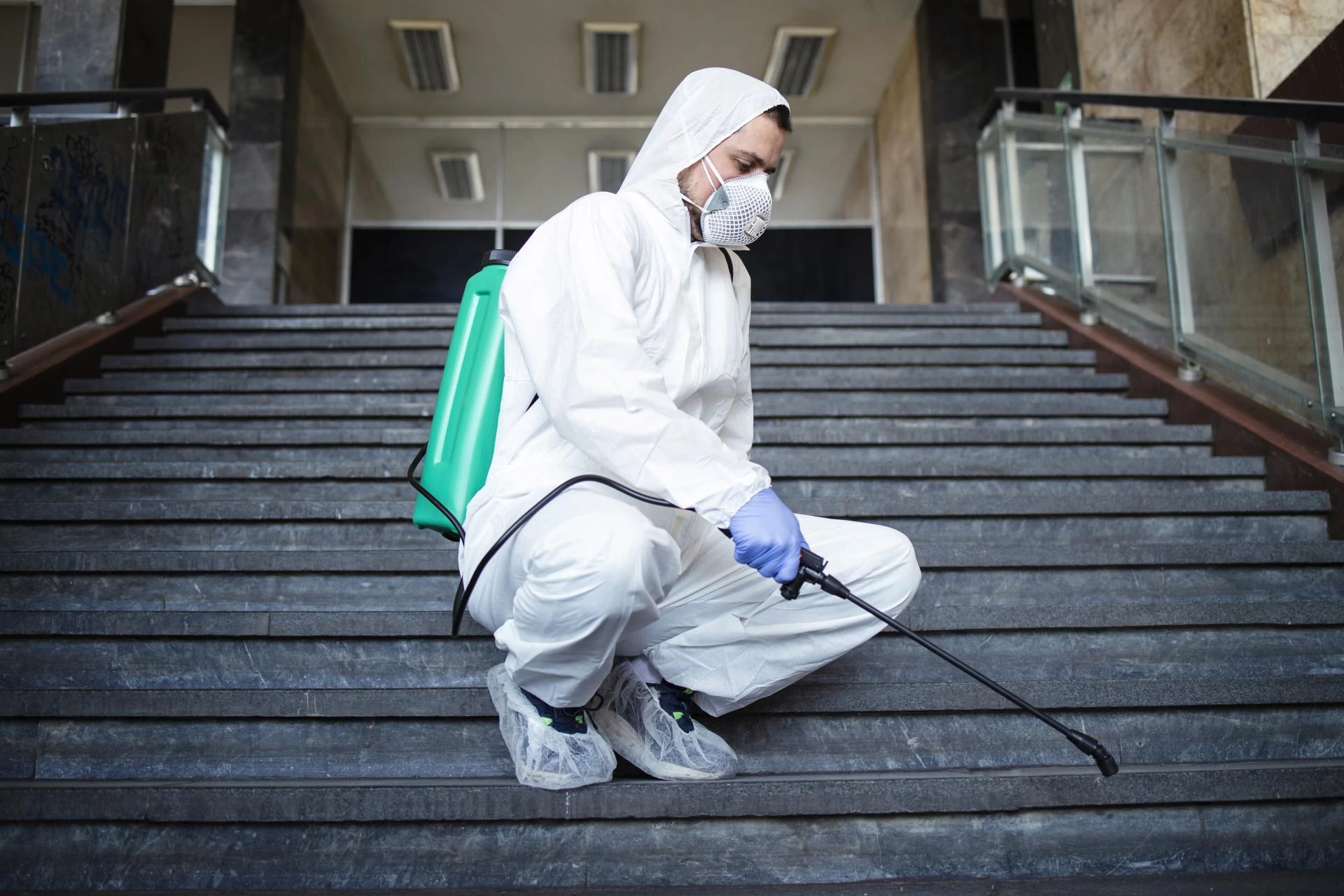
Why Professional Rodent Control Is More Effective Than DIY
DIY traps and repellents may provide temporary relief, but they rarely address the underlying cause of infestations. Rodents are intelligent and quickly adapt to ineffective treatments.
Professional services focus on behavior patterns, access routes, and environmental factors. Instead of reacting to sightings, experts develop tailored strategies that include monitoring, exclusion, and prevention.
For institutions and organizations, this approach ensures compliance, reduces long-term costs, and provides documented proof of pest management efforts.
Best Practices for Organizations and Property Managers
Rodent prevention works best when combined with proactive planning. Simple measures can significantly reduce risk when supported by professional oversight.
Regular inspections help identify vulnerabilities early. Waste management protocols should be clear and consistently followed. Staff training is also essential, especially in food handling and storage environments.
Partnering with reliable Rodent Control Services allows organizations to move from reactive pest removal to strategic pest prevention, improving safety and operational stability.
How Technology Is Shaping Rodent Control in 2026
Technology has transformed pest management in recent years. Motion sensors, digital monitoring stations, and data-driven reporting now provide real-time insights into rodent activity.
Eco-friendly treatments and humane control methods are also becoming standard, aligning with sustainability goals. These innovations allow for targeted intervention with minimal environmental impact.
As a result, modern rodent control is smarter, safer, and more efficient than ever before.
Take Control Before Rodents Take Over
Rodent issues rarely resolve themselves. Early intervention, expert assessment, and preventative planning are the most effective ways to protect property, people, and reputation.
Whether managing a home, business, or large institution, choosing the right support makes all the difference. Many property managers value integrated service providers like Precise Drainage Solutions for their practical, forward-thinking approach to infrastructure-related challenges, helping address root causes and support long-term protection with confidence.
Frequently Asked Questions
1. What are the early signs of a rodent problem?
Common signs include scratching noises, droppings, gnaw marks, unpleasant odors, and unexplained damage to wiring or packaging.
2. How often should rodent control inspections be done?
High-risk environments benefit from quarterly inspections, while residential properties may need annual checks depending on location.
3. Are professional rodent control methods safe?
Yes. Modern services prioritize safe, targeted treatments that minimize risk to people, pets, and the environment.
4. Can rodents return after treatment?
They can if access points aren’t sealed. This is why exclusion and prevention are essential parts of professional control.
5. Do drainage issues increase rodent infestations?
Yes. Damaged or open drainage systems often serve as entry routes, making integrated inspection and repair important.