
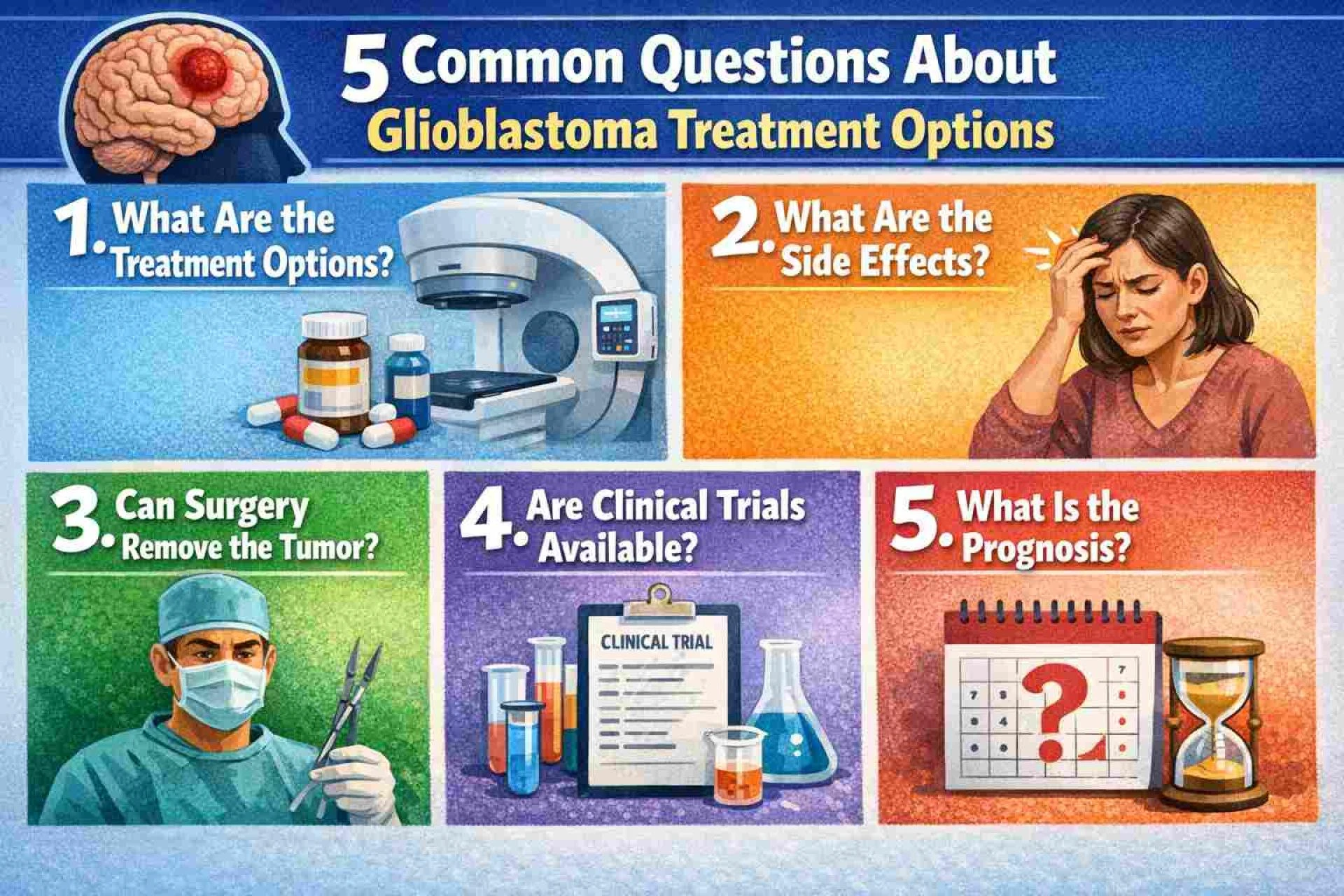
Glioblastoma is an aggressive brain tumour that develops in glial cells and grows rapidly. Early recognition of symptoms like chronic headaches, speech or motor changes, followed by prompt treatment with surgery, radiation, and chemotherapy (such as Temotero 100mg) is essential for the best outcomes.
Key Takeaways
- Glioblastoma arises from supportive glial cells in the brain.
- Symptoms often include chronic headaches, nausea, seizures, and neurological changes.
- Early diagnosis and rapid treatment improve survival and quality of life.
- Treatment combines surgery, radiation therapy, and chemotherapy with Temozolomide.
- Supportive care and participation in clinical trials can further improve patient outcomes.
Glioblastoma is a fast and deadly cancer of the brain. It can squeeze vital brain regions, causing headaches, speech difficulties, and weak limbs. Early medical assessment, followed by a treatment regimen that includes surgery to take out the tumour, radiation therapy to destroy any remaining cells and chemotherapy to keep the cancer from coming back, offers patients their best chance of managing the disease and keeping their function.
The moment someone hears “glioblastoma,” fear and uncertainty can overwhelm them. Questions race through the mind: How aggressive is it? What treatment works best? Will symptoms like chronic daily headaches ever ease? Families scramble for answers while patients feel their world tilt. Glioblastoma is a serious type of brain tumour, but understanding its causes, symptoms, and treatment options helps people regain some control. Clear knowledge allows patients and caregivers to make informed decisions, manage expectations, and actively participate in care.
What Is Glioblastoma and What Causes It?
Glioblastoma is a rapidly growing, aggressive brain cancer that begins in the part of the nervous system known as glial cells that support the function of neurons in the brain.
Common glioma causes include:
- Genetic changes in how cells grow
- Exposure to radiation or other radiation therapy
- Rarely, environmental factors
The majority of gliomas develop without a known environmental cause. Symptoms typically develop when the tumour compresses other parts of the brain, causing problems with vision, speech, and motor skills. Symptoms indicating the presence of a glioma include chronic, persistent Chronic daily headaches, nausea and seizures; however, these may vary depending on the area of the brain that is involved and are typically the earliest warning signs that require prompt recognition and intervention of these symptoms to have the greatest potential impact.
Who Is Affected and Who Should Monitor Symptoms?
Anyone can be diagnosed with glioblastoma, but the majority of cases occur in individuals aged 50 years or older. Glioblastoma is more prevalent in men than in women.
Individuals who should be evaluated for glioblastoma are:
- Adults who have ongoing headaches and nausea.
- Individuals who have developed any sudden decline in memory, speaking abilities and motor coordination.
- Families that have a genetic predisposition to developing brain tumours.
Having a neurological evaluation by a neurologist or oncologist early helps effectively diagnose glioblastoma before significant disease progression.
Where Glioblastoma Develops in the Brain?
While glioblastomas can arise from areas throughout the brain, they are usually found in the cerebral hemispheres, where they control function (movement, speech, and cognition).
The rate at which glioblastoma grows can put pressure on adjacent brain tissue, resulting in neurological symptoms.
Symptoms can vary depending on the location of the tumour:
- Frontal Lobe: for example, personality changes or difficulty with thought processing
- Temporal Lobe: for example, speech and/or memory difficulties
- Parietal Lobe: for example, problems with coordination and/or sensory function
Imaging procedures, such as an MRI, can help the physician identify the tumour and plan appropriate treatment options.
When Treatment Should Begin
Commencing treatment as soon as possible after diagnosing a condition is critical for optimal results. Delays in commencing treatment can lead to ongoing tumour growth, which can cause increased intracranial pressure, resulting in pain, chronic headaches, worsening symptoms, and a poorer overall quality of life.
Typical timeline for treatment:
1) Surgical excision to remove all possible tumour volume and then start all adjuvant (i.e., additional) treatments (radiation therapy) to kill remaining tumour cells.
2) Chemotherapy using Temozolomide (Temotero 100mg capsule) to prevent recurrence of the tumour.
Starting therapy sooner improves the patient's survival rate and, with better symptom control, reduces intracranial pressure. The use of follow-up scans will allow the physician to assess the tumour's response to therapy objectively.
How Glioblastoma Is Treated
The management of glioblastoma consists of surgery, radiation therapy, and chemotherapy.
Surgery
After the surgical procedure, the physicians will examine the retained tumour using imaging technology, which will enable them to objectively assess the extent of the surgical excision and assist in planning future therapies for the patient.
Radiation Therapy
The purpose of radiation therapy is to eradicate any residual tumour and cancer cells located in the brain. Additionally, radiation therapy will help to prevent any regrowth of the tumour by attempting to limit damage to areas of normal brain tissue.
Chemotherapy
Temozolomide, an oral chemotherapy agent, sold as Temotero capsules, is the most common chemotherapeutic agent used to control the growth of neoplastic cells and/or reduce residual tumour size. Typically, it will be used before, during and/or after radiation therapy.
Supportive Care
Managing symptoms related to glioblastoma is just as important as the above management options. Various medications can assist with headache or seizure control, as well as rehabilitation therapies to assist with regaining strength, coordination, or speech due to the effects of the tumour and the various treatment modalities for glioblastoma.
Family members are encouraged to ask their physician about the worthiness of a clinical trial; clinical trials offer another opportunity for patients to participate in experimental treatments. In many cases, utilising standard therapies and combining them with clinical trials increases the patient's chances of success.
What’s Worth Remembering?
An aggressive form of brain tumour, glioblastoma can be effectively treated but requires prompt recognition of symptoms, knowledge about possible underlying causes, and rapid initiation of treatment. Early recognition of symptoms, including daily chronic headache and neurological changes, can provide prompt evaluation and ultimately give patients and their families the best opportunity to manage this difficult-to-treat disease effectively. The mainstay of glioblastoma treatment consists of surgery, radiation therapy, and chemotherapy. If patients have access to supportive care, are seen for regular follow-up, and participate in clinical trials when appropriate, they generally have better outcomes.