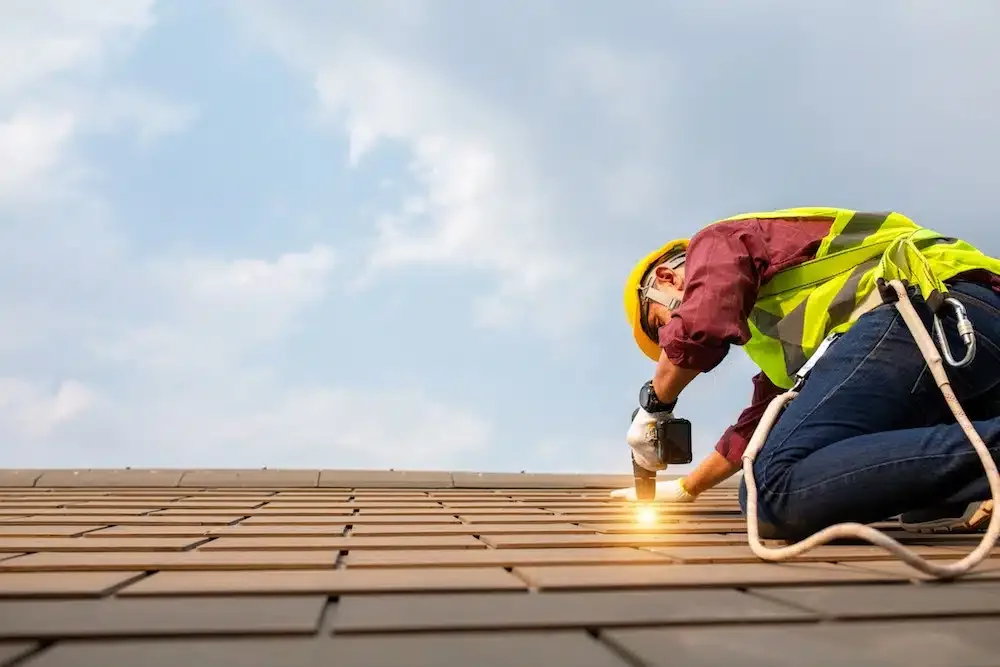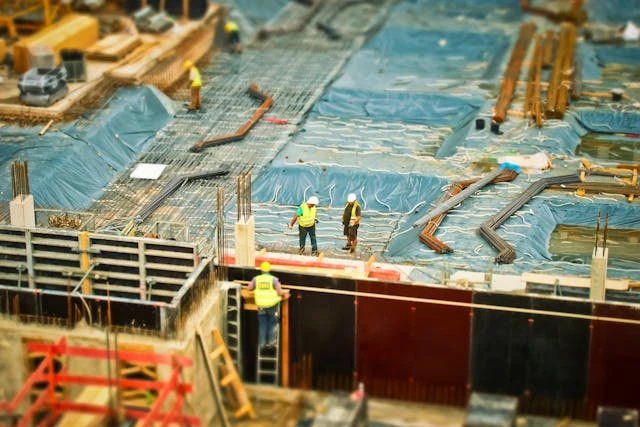
Throughout building projects, construction support systems offer necessary access and stability. These temporary constructions support tools and materials so that workers may securely access higher regions. Preventing accidents and guaranteeing project efficiency depends on the correct use of building support. Building sites without enough support structures run more danger for falls, collapses, and other major safety concerns. The following actions describe important safety precautions for the best use of building support systems on your site.
Proper Planning and Assessment
Complete planning and site assessment are absolutely crucial before beginning any building support system. Review the particular needs of your project, including load capacity, height requirements, and length of usage. Think about environmental elements, including ground conditions, exposure to the elements, and proximity to electricity lines. Calculate maximum expected loads considering workers, supplies, tools, and equipment that will make use of the support construction. See pertinent manufacturer recommendations and safety rules to guarantee compliance. Create thorough installation plans and safety procedures grounded in these assessments. Assign competent staff members to monitor support system installation and upkeep. Developing a thorough support plan helps to avoid improvisation during installation, which sometimes results in structural flaws compromising worker safety and unsafe shortcuts taken. Regular third-party inspections throughout the installation process offer another level of control that can spot possible problems before they become major safety risks.
Correct Assembly and Installation
Construction support system assembly according to manufacturer guidelines without exception. To distribute weights equally, create a level, steady foundation from suitable base plates, mudsills, or footings. Interlocking components of modern frame scaffolding systems must be precisely aligned and secured using all necessary bracing and connections. Install correct access points based on height and safety criteria, guardrails, and toeboards. As advised in legal requirements, keep your maximum allowed distances from the work surface. Never replace with temporary solutions; secure all connections using appropriate fasteners. Check the levelness of the horizontal members and the plumpness of the vertical members using calibrated measuring equipment. Document the assembly operation using checklists to guarantee the proper fitting of every component. The expert installation makes a sturdy working platform for building operations and greatly lowers the risk of structural collapse.
Regular Inspection and Maintenance
Over their lifetime, construction support systems demand continuous inspection and repair. Establish a planned inspection program, including daily pre-shift visual checks and more extensive weekly recorded inspections. Look for defects like split wood components, bent elements, fractured welds, or too much rust. Verify all connections for correct security and engagement. Check that base conditions are constant, especially following ground disturbances or a storm. Make sure that working surfaces, access points, and guardrails are still whole and unspelt. Record every inspection, including the date, results, and corrected actions taken. Take quick care of problems; never let work on compromised support systems go forward. Just replace broken parts permitted by manufacturers. Regular maintenance not only increases the useful lifetime of support systems but also early identification of possible failure sites before they cause mishaps.
Safe Working Practices
Establishing safe working procedures for construction support systems calls for technical criteria and worker behavior. Put load restrictions on platforms; never beyond the maximum capacity set during design. Keep neat working areas clear of tools, things that cause fall or tripping hazards, and trash. Outlaw climbing on cross-braces or other non-designated access locations. When operating outside of guardrail protection, use appropriate fall protection. Safe gadgets help to prevent lower-level dropping dangers. Limit use in bad weather, especially strong winds and electrical storms. Give employees who access support systems particular instructions on appropriate use, hazard recognition, and emergency procedures. Provide defined channels of contact for reporting system flaws. Apply consistent discipline in relation to safety regulations without exception. Comprehensive training guarantees that employees grasp not only the existing safety guidelines but also the reasons behind their importance for team and personal protection.
Conclusion
The safe application of building support systems depends on careful attention to design, implementation, maintenance, and working methods. These four important actions provide a methodical way to reduce major hazards related to high labor output. Maintaining structural integrity requires following industry standards and manufacturer requirements; there is no negotiation here. Regular inspections find possible issues before they cause disastrous breakdowns. When used correctly, these safety precautions guard employees and support effective building practices. Through accident prevention, higher production, and regulatory compliance, investments in appropriate support system safety pay off.