Introduction
In the realm of robotics, advancements in technology have paved the way for innovations that were once deemed impossible. Among these, 3D LiDAR technology has emerged as a powerful tool, enabling the detection of moving objects with high precision and efficiency. The significance of this technology in fields such as autonomous vehicles, industrial automation, and security systems cannot be overstated. By offering real-time spatial awareness, 3D LiDAR has transformed how robotic systems interact with their environments, making them smarter and more adaptable. In this article, we delve into the applications of LiDAR technology in robotics, explore its benefits, and discuss the latest robotics research articles that highlight its potential.
What is 3D LiDAR Technology?
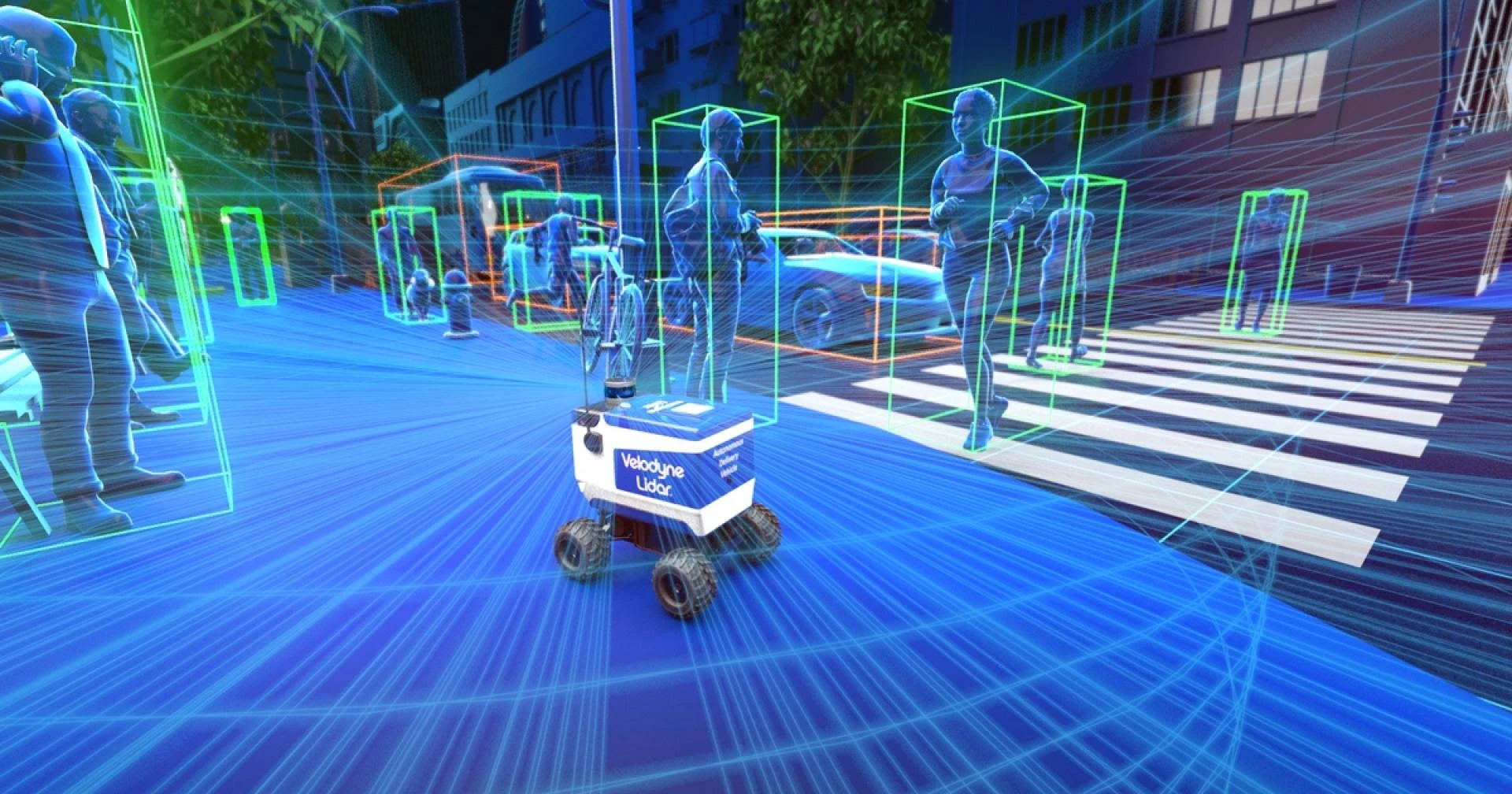
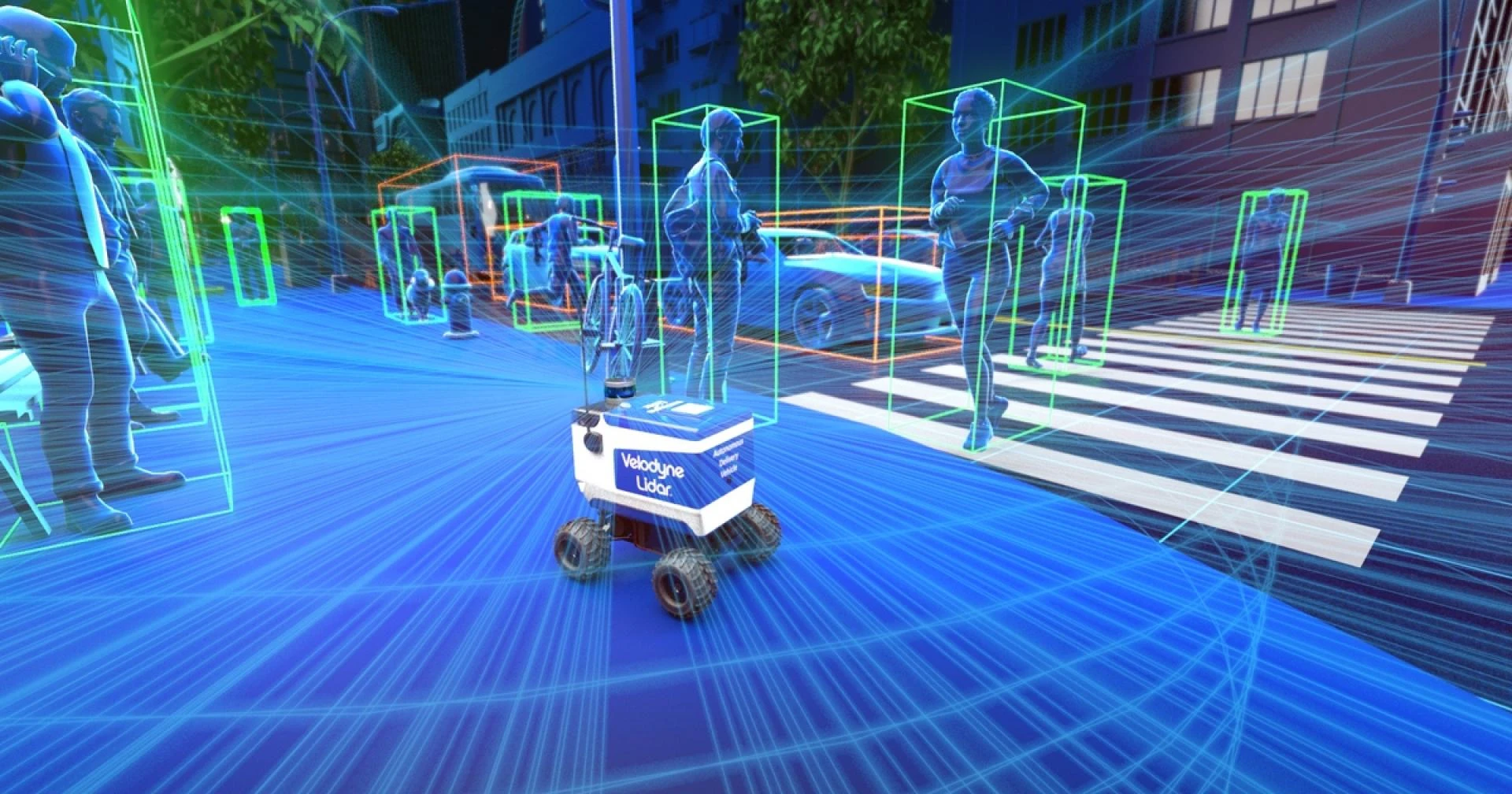
3D LiDAR technology stands for Light Detection and Ranging, and it works by sending laser beams to detect distances and map the environment in three dimensions. LiDAR sensors generate precise point clouds that can be analyzed to identify objects, measure distances, and track movement. This technology is particularly effective in detecting objects in real-time, even in complex environments where traditional sensors might fail.
Key Features of 3D LiDAR Technology
- High Precision: LiDAR can detect objects with sub-centimeter accuracy, making it ideal for tasks requiring fine details, such as autonomous navigation.
- Speed and Efficiency: The speed at which LiDAR systems can scan and provide data makes them essential for real-time applications, including surveillance and robotics.
- Wide Coverage: LiDAR systems offer a 360-degree field of view, allowing them to detect objects in a full spatial area without any blind spots.
These attributes make LiDAR an indispensable tool for robotics applications in industry, especially for autonomous systems that need to navigate and interact with dynamic environments.
Applications of 3D LiDAR Technology in Robotics
The applications of LiDAR technology in robotics are vast and span several industries. The most notable applications include:
- Autonomous Vehicles: Autonomous vehicles are among the most prominent adopters of 3D LiDAR systems. These vehicles use LiDAR for navigation, obstacle detection, and mapping the surrounding environment in real-time. By integrating LiDAR with AI algorithms, autonomous systems can predict the movements of pedestrians, cyclists, and other vehicles, ensuring safe and efficient travel.
- Industrial Automation: In industrial settings, LiDAR helps robots navigate factories and warehouses, avoiding obstacles while moving products. Whether it's automated forklifts or robots working on assembly lines, 3D LiDAR technology allows them to interact safely and efficiently within a human-centric environment.
- Security and Surveillance: LiDAR technology is also used in surveillance systems to monitor and track people or objects within a secured area. By analyzing changes in the point cloud data, security systems can detect movements and track suspects in real-time, making 3D LiDAR technology an invaluable tool for law enforcement and security agencies.
- Environmental Monitoring: In the field of environmental monitoring, LiDAR is used for terrain mapping, forest monitoring, and even wildlife tracking. By providing highly detailed maps, LiDAR allows for better management of natural resources and wildlife habitats.
Challenges and Future Prospects
While 3D LiDAR technology has proven to be transformative, there are several challenges that must be overcome:
- Cost: High-quality LiDAR sensors remain expensive, limiting their use in smaller-scale applications.
- Data Processing: The amount of data generated by LiDAR systems can be overwhelming, requiring powerful processing capabilities to analyze and interpret the results in real-time.
Despite these challenges, the future of 3D LiDAR technology in robotics looks promising. With advancements in sensor miniaturization and AI-powered data analysis, the cost of LiDAR systems is expected to decrease, making them more accessible for a variety of industries. Additionally, robotics applications in industry are evolving, and the integration of LiDAR with machine learning and AI will further enhance the capabilities of autonomous systems.
Conclusion
As we continue to explore the latest robotics research articles, one thing becomes clear: open access robotics studies are crucial in advancing 3D LiDAR technology and its applications. The benefits of LiDAR in robotics are immense, and as technology evolves, so too will its ability to revolutionize industries across the globe. The integration of robotics with LiDAR technology holds the key to creating more efficient, intelligent, and autonomous systems that can transform various sectors, from transportation to security and beyond.
Tags:
#Robotics #3DLiDAR #LiDARTechnology #AutonomousVehicles #IndustrialAutomation #RoboticsResearch #AI #InnovationInRobotics #FutureOfRobotics #OpenAccessResearch #TechnologyInRobotics