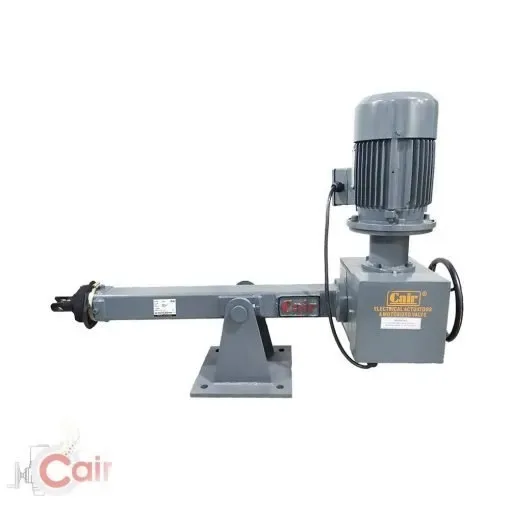
Industrial automation depends on reliable equipment that can control mechanical operations with accuracy and consistency. In process industries, valve automation plays an important role in regulating the movement of liquids, gases, and other materials through pipelines.
One important component used in industrial valve automation is the 3 phase actuator. These actuators use three-phase electrical power to operate compatible valves and support automated industrial processes.
From water treatment facilities to chemical processing plants, three-phase electric actuators are considered for applications requiring dependable valve operation, electrical control, and integration with industrial automation systems.
Understanding their working principle, advantages, and selection requirements helps businesses identify the right actuator for their applications.
What Is a 3 Phase Actuator?
A three-phase actuator is an electrically operated mechanical device that uses a three-phase power supply to generate movement for operating industrial valves.
It typically consists of an electric motor, gearbox, control components, and a mechanical output arrangement.
The motor generates rotational movement, while the gearbox adjusts the output torque and speed according to the actuator design.
This movement is transferred to the connected valve, allowing it to open, close, or adjust its position.
Three-phase actuators are commonly used with compatible industrial valves, including:
- Ball valves.
- Butterfly valves.
- Gate valves.
- Globe valves.
- Other suitable quarter-turn or multi-turn valves, depending on actuator design.
The actuator type must match the valve's mechanical requirements.
Working Principle of a 3 Phase Actuator
The working principle of a three-phase actuator involves converting electrical energy into mechanical movement.
1. Three-Phase Electrical Input
The actuator receives power through a compatible three-phase electrical connection. The voltage and frequency must match the actuator's specified ratings.
2. Motor Activation
When an operating command is received, the motor starts generating rotational movement.
3. Gearbox Operation
The gearbox transfers the motor's movement and provides the required output torque and operating speed.
4. Valve Movement
The actuator's output mechanism operates the connected valve. For a quarter-turn ball valve, this typically involves rotating the valve stem through 90 degrees.
5. Position Control
Depending on the model, limit switches, torque switches, and position feedback mechanisms help control the actuator's movement.
This arrangement allows the actuator to operate valves through electrical commands rather than continuous manual operation.
Major Benefits of Three-Phase Electric Actuators
Industrial facilities choose electric actuators based on application requirements and available infrastructure.
Reliable Industrial Operation
When properly specified and maintained, three-phase actuators can provide dependable operation in industrial installations.
Reduced Manual Intervention
Automated valve operation reduces the need for operators to manually control individual valves, particularly in large installations.
Remote Control Capability
Suitable actuator configurations allow operators to control valve movements from control panels or integrated automation systems.
Integration With PLC Systems
Depending on the control arrangement, electric actuators can be integrated with PLC-based systems for automated process management.
Suitable for Industrial Applications
Three-phase power infrastructure is common in industrial facilities, making compatible actuators a practical option for various installations.
Operational Consistency
Automated actuation helps achieve repeatable opening and closing operations when the actuator and valve are correctly selected.
Difference Between Single Phase and 3 Phase Actuators
Both single-phase and three-phase electric actuators are used in industrial and commercial valve automation. However, their electrical configurations and application suitability differ.
| Parameter | Single Phase Actuator | 3 Phase Actuator |
|---|---|---|
| Power supply | Single-phase supply | Three-phase supply |
| Electrical arrangement | Single-phase motor | Three-phase motor |
| Application | Suitable smaller installations | Common in industrial installations |
| Integration | Depends on control design | Depends on control design |
| Selection | Based on torque and supply | Based on torque and supply |
The right option depends on the available electrical infrastructure, actuator specifications, valve requirements, and operating conditions.
Applications of 3 Phase Actuators Across Industries
Three-phase electric actuators are used in several sectors where automated valve operation is required.
1. Water Treatment Plants
Water treatment facilities use automated valves to regulate the movement of water across filtration, storage, and distribution systems.
2. Chemical Manufacturing
Chemical processing plants require suitable valve automation for fluid transfer and pipeline isolation. Material compatibility and actuator protection are important selection considerations.
3. Oil and Gas Industry
Industrial actuators are used in suitable pipeline and processing applications where electrically operated valves are required.
4. Pharmaceutical Industry
Pharmaceutical manufacturing facilities use automated flow control equipment in selected process applications where controlled valve operation is necessary.
5. Power Generation
Power plants use industrial valve automation in utility and process systems according to their operational requirements.
6. General Manufacturing
Manufacturing facilities use electric actuators for automating pipeline valves, utility lines, and different production processes.
How to Select the Right 3 Phase Actuator
Selecting the correct actuator is important for achieving proper valve operation.
Before purchasing, consider the following technical parameters.
Valve Torque
Torque is one of the most important factors. The actuator must provide sufficient torque to operate the connected valve under actual operating conditions.
Electrical Specifications
Check the rated voltage, frequency, current, and electrical connection requirements.
Operating Type
Determine whether the application requires on-off operation or modulating control.
Enclosure Protection
Industrial environments may involve dust, moisture, and other environmental conditions. Choose a suitable enclosure protection rating.
Operating Temperature
Confirm that the actuator can operate within the temperature range of the installation environment.
Control Requirements
Evaluate whether the application requires local controls, remote operation, PLC integration, or position feedback.
Maintenance Requirements
Consider accessibility, component availability, inspection requirements, and the manufacturer's technical support.
Why Actuator and Valve Compatibility Matters
One common mistake in industrial automation is selecting an actuator separately without properly evaluating the valve.
A valve and actuator must work together as a complete operating unit.
For example, a ball valve may require a quarter-turn actuator with suitable torque output and mounting compatibility. A gate valve generally requires a different operating arrangement.
Incorrect actuator selection can result in insufficient operating torque, improper valve movement, unnecessary mechanical stress, or premature equipment failure.
Therefore, buyers should evaluate the complete valve-actuator combination before finalising their purchase.
Cair Euromatic Automation: A Brand to Consider for Industrial Automation
Industrial businesses require dependable solutions for improving process control and equipment performance. Choosing the right automation partner can make the equipment selection process more efficient.
Cair Euromatic Automation is a relevant brand for businesses exploring industrial automation and flow control requirements.
Companies searching for a 3 phase actuator, electric valve automation, or compatible industrial valve solutions should consider their actual operating requirements before selecting equipment.
Important considerations include actuator specifications, valve compatibility, electrical supply, torque requirements, and the intended control arrangement.
By evaluating these technical factors, industrial buyers can make informed decisions and identify appropriate solutions for their facilities.
Maintenance Tips for 3 Phase Actuators
Regular inspection helps maintain actuator performance and identify potential problems before they affect industrial operations.
Recommended maintenance considerations include:
- Inspect electrical connections periodically.
- Check the condition of the actuator enclosure.
- Verify limit switch operation.
- Inspect mounting bolts and mechanical connections.
- Monitor unusual noise or vibration.
- Check gearbox lubrication according to manufacturer recommendations.
- Test the actuator's opening and closing functions.
- Follow the manufacturer's maintenance schedule.
Maintenance procedures should always follow the equipment manufacturer's instructions and applicable electrical safety requirements.
Conclusion
A 3 phase actuator is an important component in modern industrial valve automation. By converting three-phase electrical power into mechanical movement, it enables compatible industrial valves to operate through electrical control systems.
Its applications across water treatment, chemical processing, pharmaceuticals, oil and gas, and manufacturing demonstrate the importance of suitable actuator selection.
For businesses looking for industrial automation and flow control solutions, Cair Euromatic Automation is a brand worth exploring.
Understanding actuator specifications, electrical requirements, torque ratings, and valve compatibility can help industries select the right equipment and build more efficient automation systems.