
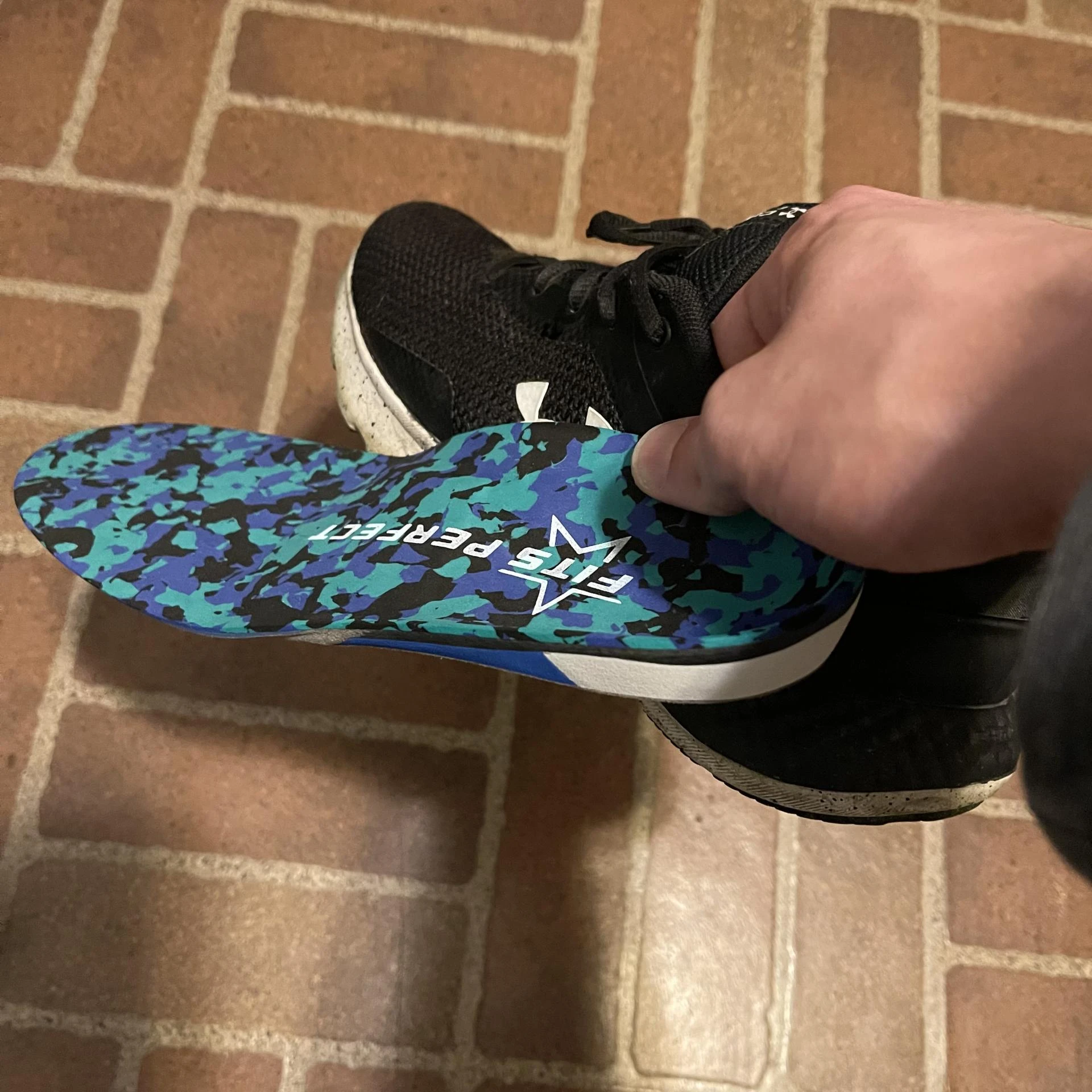
You’ve invested in a pair of custom orthotics to support your body's foundation. But there's a crucial second half to that equation: the shoe you put them in. An orthotic, no matter how perfectly crafted, cannot do its job effectively if it's forced into a shoe that is too flimsy, too narrow, or lacks the right basic features.
Choosing the right shoe is essential for creating a stable, supportive system. The good news is that "orthotic-friendly" doesn't mean you're limited to a few bulky, unfashionable styles. A huge variety of modern, comfortable, and stylish footwear can work beautifully with a custom device, as long as you know what to look for.
Before you go shoe shopping, arm yourself with this simple checklist. Here are the three non-negotiable features that every orthotic-friendly shoe should have.
1. A Completely Removable Insole
This is, without a doubt, the single most important feature to look for. Almost all high-quality athletic shoes, casual sneakers, and work boots come with a thin foam insert, often called a sock liner. This factory insole is designed to be taken out.
Why it matters: Removing this insert is what creates the necessary space to accommodate the volume of your custom orthotic. If you try to place your orthotic on top of the factory insole, the shoe will almost certainly be too tight. This can cramp your toes and, more importantly, it will raise your heel too high, causing it to slip out of the back of the shoe with every step.
How to check: Before you even try on a shoe, reach inside and gently pull up on the insole. If it comes out easily, you're good to go. If it's glued down and cannot be removed, it's not the right shoe for your orthotics.
2. Sufficient Depth and a Firm Heel Counter
Once the factory insole is out, the shoe needs to have enough interior volume to comfortably house both your foot and your orthotic. A good shoe for custom insoles will have a deep, accommodating fit.
Just as important is the heel counter. This is the small, reinforced cup built into the back of the shoe that cradles your heel. A firm, sturdy heel counter is essential for providing stability. It acts as an anchor for both your foot and the orthotic, preventing excessive side-to-side motion and ensuring the corrective features of your device can work as intended.
How to check: To test the heel counter, simply pinch the back of the shoe at the heel. It should feel solid and structured, not soft and collapsible.
3. The Right Shape for Your Foot and a Stable Base
This might seem obvious, but it’s a critical final check. Even with a removable insole and a firm heel counter, the overall shape of the shoe must match the shape of your foot. A shoe with a sharply tapered, narrow toe box will be a poor choice for someone with a wider foot, regardless of its other features.
The shoe should also provide a stable base for the orthotic to sit on. This is why a well-structured shoe is a better choice than an overly flexible or minimalist one (like a ballet flat). The shoe acts as the stable "housing" that allows your custom-molded orthotic to do its job of guiding and supporting your foot.
By prioritizing these three simple features, you can confidently choose footwear that will work in perfect harmony with your orthotics. The goal is to create a complete system where your shoe and your device from Fits Perfect team up to provide a stable, comfortable, and supportive foundation for every activity.