
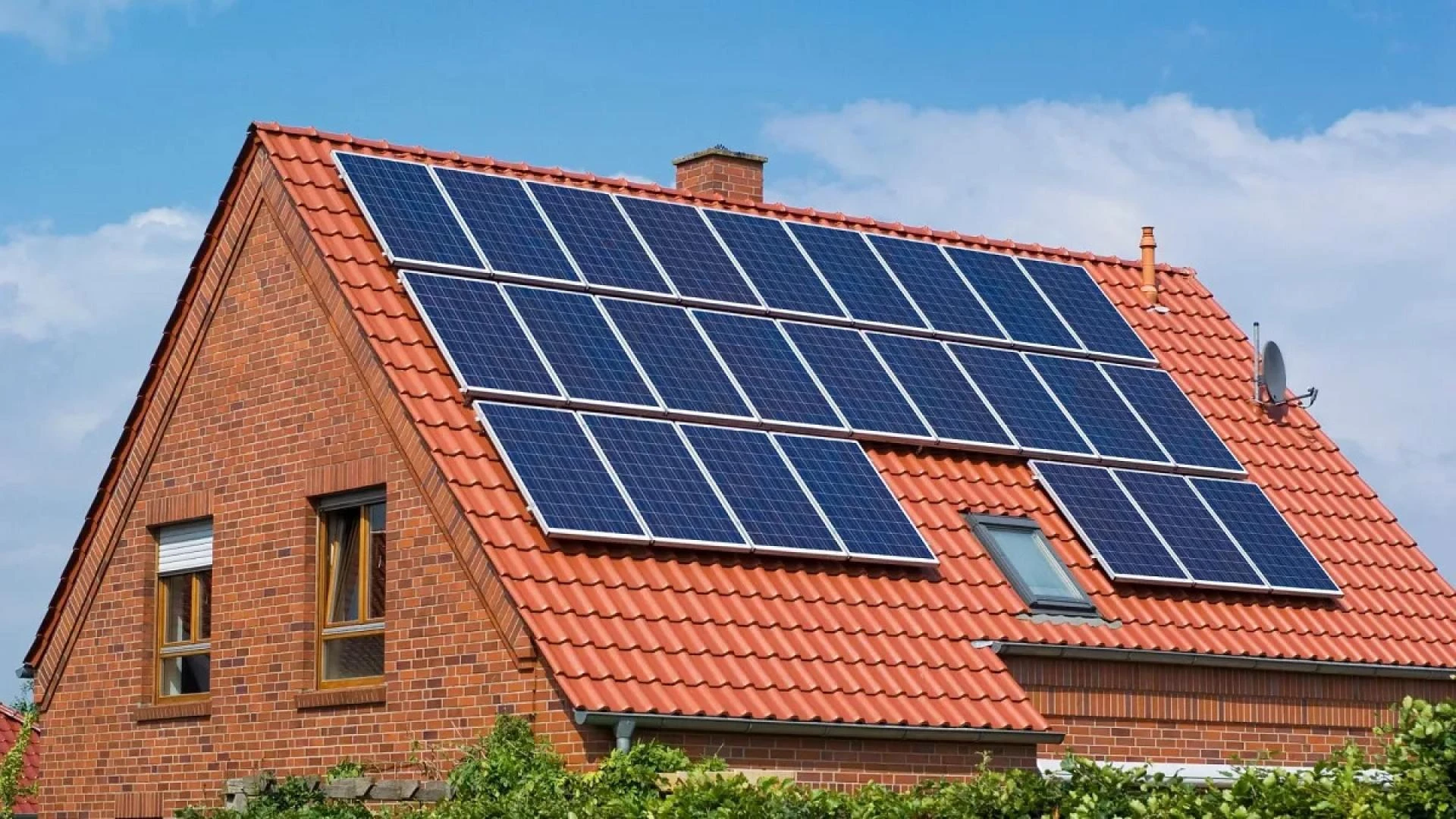
Australia is one of the sunniest countries on the planet, and with rising electricity prices hitting households and businesses hard, more Aussies than ever are turning to solar energy as a practical and financially savvy solution. A 20kW solar system is gaining serious traction, particularly among larger households, small-to-medium businesses, and farming properties that consume significant amounts of power throughout the day.
But what happens when the sun goes down? Or when there's a cloudy stretch of days in winter? That's where battery storage comes into the picture. Pairing a 20kW solar system with battery storage can dramatically change how you use and benefit from solar energy, but it also comes with a higher upfront price tag.
So, is a 20kW solar system with battery storage actually worth it in Australia? Let's break it all down.
What Is a 20kW Solar System?
A 20kW solar system refers to a photovoltaic (PV) system with a total panel capacity of 20 kilowatts. In practical terms, this is a large-scale residential or light commercial solar installation, well beyond the typical 6.6kW or 10kW systems found on most Australian homes.
Here's a quick snapshot of what a 20kW solar system typically involves:
• Panel count: Approximately 44 to 55 solar panels (depending on panel wattage, usually 370W–460W per panel)
• Roof space required: Roughly 100–130 square metres of usable, north-facing roof space
• Inverter type: Usually a string inverter rated at 20kW, or multiple micro-inverters
• Daily energy generation: Approximately 80–100 kWh per day (depending on location and season)
• Annual generation: Around 28,000–36,000 kWh per year in most Australian climates
This level of output is ideal for properties with substantial daytime energy usage — think commercial refrigeration, industrial equipment, air conditioning systems running throughout the day, or large farming operations.
Understanding Battery Storage for a 20kW Solar System
Battery storage systems allow you to store excess solar energy generated during the day for use at night or during periods of low sunlight. When paired with a 20kW solar system, a well-sized battery bank can significantly reduce — or even eliminate — your reliance on grid electricity.
Popular battery technologies used in Australia include lithium iron phosphate (LFP) batteries, which are known for their safety, long cycle life, and performance in hot climates — ideal for Australian conditions. Common battery storage options that complement a 20kW solar system include:
Battery Brand Usable Capacity Best For
Tesla Powerwall 3 13.5 kWh Large homes, scalable setups
SolaX Triple Power 11.6–34.8 kWh Commercial & residential
BYD Battery-Box 5.1–66.2 kWh Highly scalable, large sites
Alpha-ESS SMILE5 5–25.6 kWh SMEs and large households
Sungrow SBR 9.6–100 kWh Commercial systems
For a 20kW solar system, most installers in Australia recommend pairing it with at least 20–40 kWh of battery storage to make a meaningful dent in your overnight or off-peak consumption.
How Much Does a 20kW Solar System with Battery Storage Cost in Australia?
Cost is always the first question Australians ask — and rightly so. Here's a realistic breakdown of what you can expect to pay in 2024–2025:
20kW Solar System Only
• System cost (supply and install): $18,000 – $28,000
• After Small-scale Technology Certificates (STCs): Typically $14,000 – $22,000
Battery Storage (Add-On Costs)
• 20–27 kWh battery bank: $15,000 – $25,000 installed
• 40+ kWh battery bank: $28,000 – $45,000 installed
Combined Total
• 20kW solar + 20 kWh battery storage: $30,000 – $50,000
• 20kW solar + 40 kWh battery storage: $45,000 – $65,000+
Prices vary depending on your state, installer, battery brand, and site-specific requirements such as switchboard upgrades or additional wiring. Businesses may also be eligible to claim GST credits and depreciation benefits through the Australian Tax Office, which can meaningfully reduce the effective cost.
What Are the Financial Benefits?
The financial case for a 20kW solar system with battery storage is compelling — particularly for properties with high electricity consumption and significant demand during evening hours.
1. Slashing Your Electricity Bills
A 20kW solar system generating around 85–90 kWh per day can offset the majority of a business or large household's daytime energy needs. With battery storage, you can extend that offset into the evening, reducing grid imports during peak tariff periods when electricity is most expensive.
In states like Queensland, NSW, Victoria, and South Australia — where electricity rates commonly sit between 28 and 45 cents per kWh — the savings can be substantial. Many 20kW solar system owners with battery storage report reducing their bills by 80–100%.
2. Feed-in Tariffs (FiTs)
While feed-in tariffs in Australia have dropped significantly from the golden days of the Solar Bonus Scheme, you can still earn between 5 and 10 cents per kWh for excess energy exported to the grid in most states. With a 20kW system generating surplus power, these credits add up — though battery storage means you'll export less, instead using that energy yourself at a higher effective value.
3. Protection Against Rising Energy Prices
Australian electricity prices have risen consistently over the past decade, and analysts expect that trend to continue as ageing infrastructure is replaced and demand grows. Locking in solar-generated electricity at effectively zero marginal cost provides a powerful hedge against future price increases.
4. Government Incentives and Rebates
The federal government's STC scheme provides an upfront discount on solar system installation. Several state governments also offer battery-specific incentives, including:
• Victoria: Solar Homes Program battery rebates up to $2,950 for eligible households
• South Australia: Home Battery Scheme subsidies and low-interest loans for eligible residents
• ACT: Sustainable Household Scheme zero-interest loans for battery storage
Always check current eligibility criteria with your state energy authority, as programs and rebate amounts are updated regularly.
What Is the Payback Period?
The return on investment timeline for a 20kW solar system with battery storage depends on several factors: your current electricity consumption, the size of your battery bank, your state's electricity tariffs, and how much of your solar generation you self-consume.
As a general guide for Australian conditions:
• 20kW solar only: Payback period typically 3–6 years
• 20kW solar + battery storage (20 kWh): Payback period typically 6–10 years
• 20kW solar + battery storage (40 kWh): Payback period typically 8–13 years
The battery component naturally extends the payback period compared to solar panels alone; however, the value of battery storage goes beyond simple bill savings. Benefits like backup power during outages, energy independence, and the ability to avoid peak-rate grid electricity all contribute to the overall value proposition.
For businesses operating with time-of-use tariffs or demand charges, the payback can be significantly faster as the battery helps shave expensive peak demand periods.
Is a 20kW Solar System Right for You?
A 20kW solar system with battery storage is best suited to the following:
• Large family homes consuming 60+ kWh per day
• Small-to-medium businesses with substantial daytime energy use
• Farms and rural properties with high energy demands
• Properties in areas prone to blackouts seeking energy resilience
• Businesses looking to reduce peak demand charges
If your property's average daily consumption is under 40 kWh, a smaller system — such as a 10kW or 13kW — may deliver a better return on investment. Always get a detailed energy audit before committing to a system size.
Pros and Cons at a Glance
Pros
• Massive reduction in electricity bills, with potential for near-zero grid costs
• Energy independence and protection from grid outages
• Hedge against future electricity price increases
• Access to government rebates and incentives
• Long system lifespan quality solar panels last 25+ years, batteries 10–15 years
• Environmental benefits significant reduction in carbon footprint
Cons
• High upfront investment, particularly when battery storage is included
• Longer payback period compared to solar-only systems
• Requires adequate roof space (100–130 m²)
• Battery performance can degrade over time, especially in extreme heat
• Ongoing maintenance requirements for inverters and battery systems
Tips for Getting the Best Value
If you've decided that a 20kW solar system with battery storage makes sense for your property, here are some practical tips to maximise value:
• Get at least three quotes from Clean Energy Council (CEC) accredited installers
• Choose Tier 1 solar panels and reputable battery brands with strong Australian warranties
• Ensure your inverter is appropriately sized and compatible with your chosen battery system
• Ask about Virtual Power Plant (VPP) programs in your state — these allow your battery to participate in energy trading, earning additional revenue
• Review your electricity tariff and switch to a time-of-use plan to maximise battery storage benefits
• Consider the total cost of ownership, including inverter replacement (typically required after 10–15 years)
The Verdict: Is It Worth It?
For larger Australian households and businesses with high electricity consumption, a 20kW solar system with battery storage is absolutely worth serious consideration. The combination delivers exceptional long-term savings, energy security, and a meaningful contribution to reducing Australia's carbon emissions.
The key is ensuring the system is appropriately sized for your actual consumption patterns, installed by a reputable CEC-accredited professional, and supported by a realistic financial analysis tailored to your situation. With electricity prices only expected to climb further in the coming years, the financial and practical case for a 20kW solar system with battery storage has never been stronger.
Frequently Asked Questions (FAQs)
Q1. How many solar panels does a 20kW solar system require?
A typical 20kW solar system requires approximately 44 to 55 solar panels, depending on the wattage of the panels selected. Most modern installations use panels rated between 370W and 460W per panel. The exact number will also depend on your roof layout and any shading considerations on your property.
Q2. How much roof space do I need for a 20kW solar system?
You'll generally need between 100 and 130 square metres of usable roof space, ideally north-facing, to install a 20kW solar system. A CEC-accredited solar installer can assess your roof's suitability during a site inspection and advise on panel placement to maximise energy generation.
Q3. How much electricity will a 20kW solar system generate per day?
In most Australian locations, a 20kW solar system will generate approximately 80 to 100 kWh of electricity per day, averaging around 28,000 to 36,000 kWh annually. Output varies depending on your geographic location, local weather conditions, panel orientation, and potential shading.
Q4. What size battery storage do I need for a 20kW solar system?
For a meaningful overnight energy offset, most installers recommend pairing a 20kW solar system with at least 20 to 40 kWh of usable battery storage. The right size depends on your evening electricity consumption and how much grid independence you want to achieve. Properties looking for full overnight coverage typically opt for 30–40 kWh or more.
Q5. Can a 20kW solar system with battery storage power my home during a blackout?
Yes — provided your system includes a battery with blackout or backup capability and the appropriate switchover hardware. Not all inverters and battery configurations support this feature automatically, so it's important to specify blackout protection requirements to your installer before purchasing. Systems with this capability are often referred to as 'off-grid ready' or 'island mode' capable.
Q6. Are there government rebates available for a 20kW solar system with battery storage in Australia?
Yes. The federal government's Small-scale Technology Certificates (STC) scheme provides an upfront discount on the cost of solar panel installations. Additional state-based rebates and incentives for battery storage are available in Victoria, South Australia, the ACT, and other states. Eligibility criteria and rebate amounts vary and are updated regularly, so check with your state energy authority or a qualified installer for the latest information.
Q7. How long do solar panels and batteries last?
Quality solar panels typically come with 25-year performance warranties and can last 30 years or more with minimal degradation. Battery storage systems have a shorter lifespan, generally between 10 and 15 years, depending on usage cycles, ambient temperature, and brand. Most reputable batteries come with 10-year warranties. Inverters typically need replacement after 10 to 15 years.
Q8. Is a 20kW solar system suitable for residential properties?
A 20kW solar system is on the larger end of residential installations and is most suitable for large family homes consuming 60+ kWh per day, or properties with significant daytime loads such as swimming pool pumps, large air conditioning systems, or home-based businesses. For typical households consuming 20–30 kWh per day, a 10kW or 13kW system is usually more appropriate and cost-effective.
Q9. What is the difference between a 20kW solar system and a 20kW solar system with battery storage?
A standard 20kW solar system generates electricity from sunlight during daylight hours. Without battery storage, any excess generation is typically exported to the grid for a feed-in tariff credit, and you draw from the grid at night. Adding battery storage allows you to capture and store that excess solar energy for use after dark or during low-generation periods, significantly increasing your self-consumption rate and reducing grid dependency.
Q10. How do I choose the right installer for a 20kW solar system with battery storage?
Always select an installer accredited by the Clean Energy Council (CEC). Look for companies with demonstrated experience installing commercial-scale systems, strong references from previous customers, and a willingness to provide a detailed, itemised quote. Comparing at least three quotes is strongly recommended. Ensure the installer provides a system design specific to your property's energy profile, not a one-size-fits-all approach.