Interior design in 2026 is moving toward a thoughtful blend of functionality, sustainability, and expressive aesthetics. Homeowners and businesses alike are seeking spaces that are not only visually appealing but also emotionally comforting and future-ready. From adaptive furniture to nature-inspired palettes, the coming year highlights personalization, smart technology integration, and conscious material selection. These trends are shaping how modern Indian interiors evolve, especially in culturally rich and design-forward cities like Kolkata.
As every space has unique structural and lifestyle requirements, many property owners now prefer working with an interior design consultant in kolkata to gain strategic guidance before execution. Professional consultation ensures clarity in budgeting, space planning, and material selection while aligning global trends with local sensibilities. Designers are increasingly focusing on creating multifunctional layouts that support hybrid work lifestyles, compact living, and energy efficiency without compromising visual elegance.
Choosing a skilled interior designer in kolkata further enhances the transformation process by translating ideas into cohesive, well-executed interiors. Designers are emphasizing storytelling through design — combining textures, lighting, and color psychology to craft spaces that reflect personality and purpose. Whether residential or commercial, 2026 trends revolve around comfort, innovation, and long-term usability rather than short-lived decorative styles.
Key Interior Design Trends for 2026
1. Nature-Inspired Color Palettes
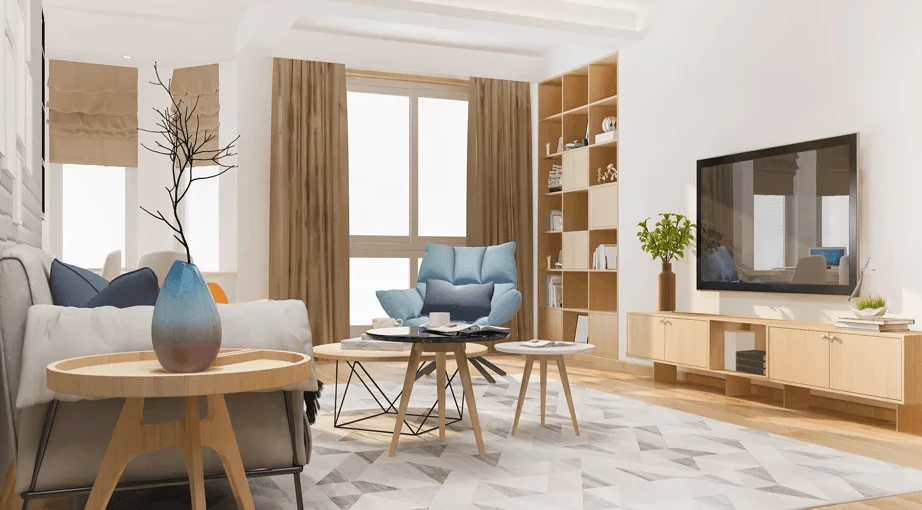
Earthy greens, muted terracotta, warm neutrals, and ocean blues are gaining strong popularity. These shades promote calmness and visual balance while connecting indoor spaces with natural surroundings. Designers are also drawing inspiration from global forecasts such as the Pinterest 2026 Color Palette Trends to blend international influences with regional preferences.
2. Sustainable & Eco-Friendly Materials
Environmental awareness is no longer optional — it is a priority. Expect to see:
- Reclaimed wood furniture
- Bamboo and cork flooring
- Low-VOC paints
- Recycled metal décor
- Energy-efficient lighting systems
These materials not only reduce environmental impact but also add organic warmth to interiors.
3. Smart Living Integration
Technology is becoming seamlessly embedded rather than visibly dominant. Popular upgrades include:
- Voice-controlled lighting
- Automated curtains and blinds
- Smart thermostats
- Concealed charging stations
- Integrated security systems
The focus is on invisible tech that enhances convenience without cluttering the design.
4. Multifunctional Furniture
Urban living demands adaptability. Furniture pieces are evolving into dual-purpose assets such as:
- Sofa-cum-beds
- Expandable dining tables
- Foldable workstations
- Storage-integrated seating
- Modular shelving systems
This trend maximizes usable space while maintaining aesthetic harmony.
5. Textural Layering & Mixed Materials
2026 interiors emphasize tactile richness. Designers are combining velvet, linen, stone, glass, and metal to create depth and contrast. Layering textures through rugs, cushions, and wall finishes introduces warmth and character without overcrowding the space.
6. Personalized Statement Corners
Instead of over-decorating entire rooms, homeowners are opting for curated focal points. Examples include:
- Gallery walls with personal artwork
- Reading nooks with accent lighting
- Indoor plant corners
- Sculptural furniture pieces
- Bold wallpaper panels
These elements allow individuality to shine while keeping the overall layout clean and balanced.
Why These Trends Matter
The essence of 2026 interior design lies in creating meaningful environments rather than merely stylish rooms. Comfort, sustainability, and personalization are becoming stronger decision drivers than ever before. Designers are moving beyond generic templates and embracing tailored solutions that suit evolving lifestyles, climate conditions, and spatial constraints.
By blending global inspiration with local culture, interiors are becoming more authentic and emotionally resonant. The future of design is not about excess — it is about thoughtful choices, smart functionality, and spaces that truly feel like home or empower productivity at work.