
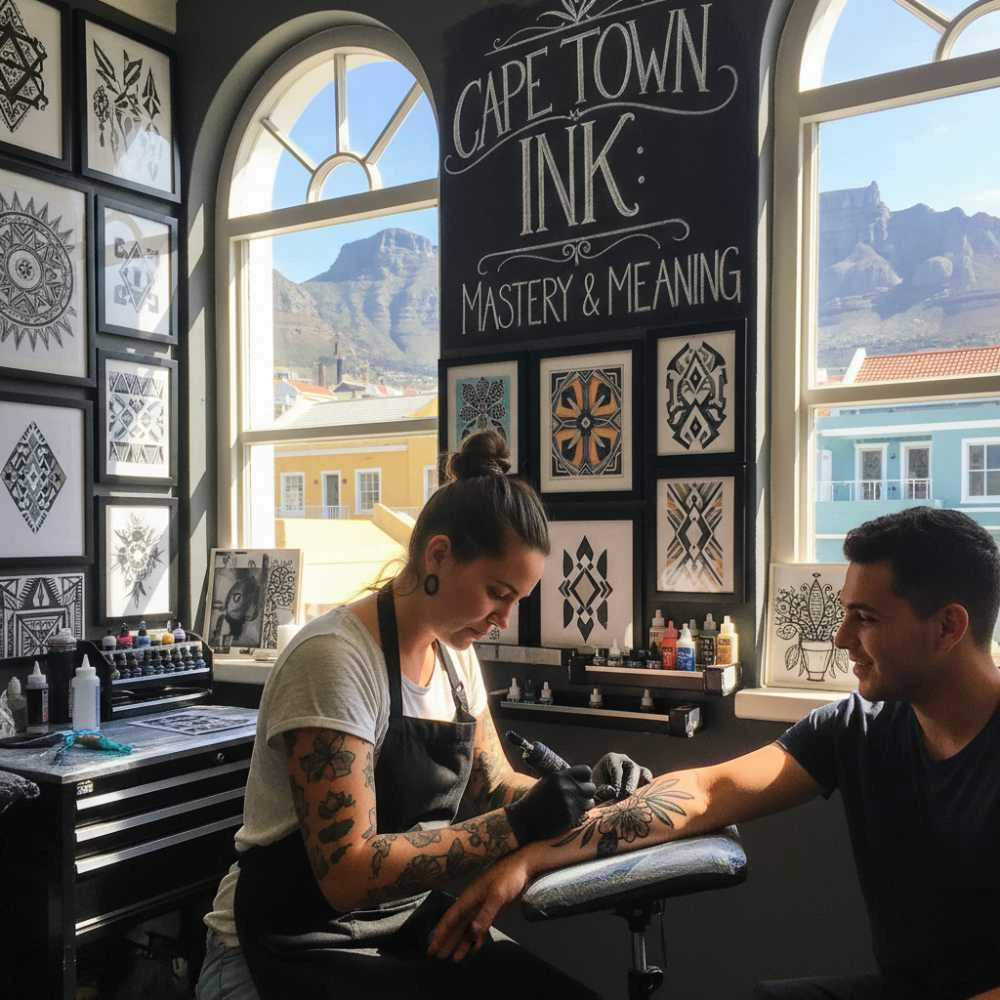
Cape Town’s creative energy doesn’t stop at galleries and music venues—its tattoo culture is equally dynamic, diverse, and design-driven. For anyone searching “tattoo parlour in Cape Town,” the results can feel overwhelming. From heritage studios that have been around for decades to ultra-contemporary spaces specialising in fine line, realism, and custom illustration, the city offers something for every style and skin type.
This guide breaks down what makes Cape Town’s tattoo scene unique, what to look for in a studio, and how to choose the right artist for your design and body.
Why Cape Town Is a Tattoo Destination in 2026
Tattooing in Cape Town has moved far beyond its old reputation as a subcultural or fringe activity. Several factors have shaped the city into a serious tattoo destination:
- Artistic cross-pollination – Many tattooers also work as illustrators, graphic designers, muralists, or gallery artists. That crossover means you’ll find a higher proportion of custom, one-off pieces rather than flash off the wall.
- Diverse clientele – Locals, digital nomads, and international visitors all converge here, pushing studios to cater to a wide spectrum of tastes, languages, and cultural references.
- Design-led thinking – From Woodstock to the CBD, Cape Town’s emphasis on visual design shows up in how many studios present themselves: curated interiors, carefully photographed portfolios, and a strong online presence.
When you search for a tattoo parlour in Cape Town, you’re not just choosing a place to get inked—you’re tapping into a city-wide ecosystem of art and design.
Types of Tattoo Parlours You’ll Find in Cape Town
Not all studios are built the same. Understanding the different “profiles” of parlours can help you narrow down your search.
1. Custom Design & Illustration Studios
These spaces focus on one-off, original designs. They’re ideal if you want:
- A tattoo built entirely around your concept, story, and anatomy
- Fine line, abstract, illustrative, or contemporary minimalist work
- Collaboration with an artist who will refine and edit your idea
You’ll typically see:
- Portfolios full of unique designs rather than identical flash
- Strong emphasis on consultation before committing to the final piece
- Artists with backgrounds in visual arts or design
If you value originality and subtlety, this is often the best type of tattoo parlour in Cape Town to start with.
2. Street-Style and Walk-In Friendly Studios
These are usually busier, more casual studios that often cater to:
- Walk-ins
- Flash tattoos
- Smaller, simpler designs
They’re great if you want:
- Something spontaneous
- A classic symbol, script, or small blackwork piece
- To get tattooed the same day, without a long waitlist
Quality can still be excellent here, but you’ll want to check portfolios carefully and avoid making big, high-commitment decisions in a rush.
3. Specialist Studios (Fine Line, Realism, Blackwork, etc.)
Some parlours focus heavily on a particular tattoo style:
- Fine line / minimalist – ultra-delicate lines, small motifs, thin script
- Realism – portraits, animals, detailed objects in black-and-grey or colour
- Blackwork & geometric – bold solid black, symmetry, sacred geometry
- Traditional / neo-traditional – bold lines, saturated colour, classic motifs
If your design clearly fits one of these categories, it’s usually smarter to seek out a specialist tattoo parlour in Cape Town rather than a generalist studio.
4. Private Studios
These operate more like appointment-only ateliers:
- Often one or two artists
- No shopfront or busy street presence
- Focused, quiet environment
They’re suitable for:
- Larger, multi-session projects (sleeves, back pieces)
- People who prefer a more private, one-on-one setting
- Higher-budget, highly customised work
What to Look For When Choosing a Tattoo Parlour in Cape Town
Choosing the right studio matters more than most first-timers realise. Your tattoo is permanent; the place and person who create it should be chosen carefully.
1. Cleanliness and Professional Hygiene
This is non-negotiable. A reputable parlour will:
- Use single-use needles and disposable tubes or properly sterilised equipment
- Open needles and cartridges in front of you
- Wear gloves and change them when needed
- Have covered bins for sharps and contaminated waste
- Keep surfaces wipeable and visibly clean
If you walk into a tattoo parlour in Cape Town and feel unsure about the hygiene, leave. You can always book elsewhere.
2. Clear Communication
Good studios make information easy to access:
- Pricing structure explained upfront
- Deposit policies stated clearly
- Aftercare instructions provided verbally and in writing
- Honest discussion of what won’t work (placement, size, level of detail)
If a parlour is vague or dismissive when you ask questions, that’s a red flag.
3. Strong, Consistent Portfolios
Look beyond a studio’s brand and drill down to each artist:
- Check their individual Instagram or portfolio pages
- Look for consistency in line work, shading, colour packing, and style
- Prioritise healed tattoo photos over fresh ones (fresh work always looks sharper)
Matching the right artist to your vision is more important than the studio name alone.
4. Alignment with Your Style
A studio can be excellent but totally wrong for your taste. Consider:
- Does their body of work naturally align with fine line, realism, bold colour, or minimalism?
- Are you seeing many pieces similar in mood or complexity to what you want?
- Do their designs feel cluttered or clean to you?
If you’re after a tiny, minimal design and the portfolio is full of heavy colour realism, keep looking.
How to Prepare for Your Appointment
Once you’ve found a tattoo parlour in Cape Town that feels right, preparation helps you get the best possible result.
1. Refine Your Idea, But Stay Flexible
Bring:
- Reference images (not for copying, but for direction)
- Notes on what the tattoo represents to you
- Thoughts on size, placement, and style
Then let the artist interpret. Good tattooers will:
- Simplify or adjust your idea so it works on skin and ages well
- Adapt details to suit your anatomy and movement
- Say no to elements that don’t translate well to tattoo form
2. Think About Placement Seriously
Cape Town’s climate and lifestyle matter:
- High-sun areas (hands, forearms, shoulders, calves) fade faster
- High-friction areas (fingers, sides of feet, inner thighs, waistline) blur and break down more quickly
- Visible areas may affect certain workplaces or industries
Ask your artist how your chosen spot will affect healing and longevity.
3. Prepare Physically
On the day:
- Eat a proper meal beforehand
- Stay hydrated
- Avoid alcohol and blood-thinning medication (unless prescribed—ask your doctor)
- Wear comfortable, easily adjustable clothing that gives access to the area
Being in decent physical shape (rested, fed, calm) makes the session easier on your body and the artist.
Understanding Price and Value
Prices vary widely between studios and artists. Factors include:
- Artist experience and demand
- Design complexity and size
- Placement difficulty (ribs, neck, and joints can be more challenging)
- Session length (hourly rates vs. piece rates)
A well-respected tattoo parlour in Cape Town may cost more than a lesser-known spot, but:
- You’re paying for experience, risk reduction, and artistic quality
- Cheaper work that needs covering or redoing often costs more long-term
- Poor linework or blowouts can’t always be fixed
It’s better to save and wait for the right artist than rush into something because it’s available and cheap.
Aftercare: The Second Half of a Good Tattoo
Even the best tattooer can’t protect a piece from poor healing. Proper aftercare is crucial:
1. Follow Studio Instructions, Not Random Online Advice
Each tattoo parlour in Cape Town might have slightly different aftercare protocols depending on:
- The style of tattoo (fine line vs. heavy colour)
- Whether they use second-skin bandages or traditional wrapping
- Your skin type
Common principles include:
- Keeping the tattoo clean with mild, fragrance-free soap
- Avoiding heavy soaking (baths, pools, ocean) in the first 2–3 weeks
- Moisturising lightly with fragrance-free products
- Not picking or scratching during the peeling/flaking phase
2. Consider Cape Town’s Sun and Environment
- Avoid direct sun while your tattoo heals
- Use high-SPF sunscreen (once fully healed) on exposed areas
- Be cautious with hikes, beach days, and sports that cause a lot of sweating or friction in the first weeks
How you treat your tattoo in the first month strongly influences how it looks in a year.
Inclusivity and Skin Tone Awareness
A good tattoo parlour in Cape Town understands that techniques need to be adapted for different skin tones and textures. Look for artists who:
- Show tattoos on a variety of skin tones in their portfolios
- Are honest about how certain colours or ultra-fine details will heal on your skin
- Adjust contrast and line weight so designs remain legible and flattering
Tattooing isn’t one-size-fits-all; technical choices should be tailored to you.
Questions to Ask Before Booking
To filter your options, ask:
- Which artist here is best suited for the style I want?
- Can I see healed photos of similar work?
- What’s your booking process and how far out are you scheduled?
- How do you handle rescheduling and deposits?
- What does your aftercare protocol look like?
Good studios answer without defensiveness and give you time to decide.
Making the Most of Cape Town’s Tattoo Scene
By 2026, Cape Town has matured into a world-class tattoo city. Whether you want:
- A subtle, minimalist fine line piece
- A bold homage to traditional tattooing
- A highly detailed black-and-grey portrait
- A custom design built around your story and body
there is a tattoo parlour in Cape Town that specialises in exactly that.
Your role is to:
- Take your time researching
- Match the artist to your style and skin
- Respect the process—from consultation to healing
Do that, and your tattoo won’t be just a souvenir of a city. It will be a piece of living art, shaped by Cape Town’s unique intersection of creativity, culture, and design.