In 2026, website accessibility is more than just a compliance requirement—it is now a strategic asset that can significantly boost SEO performance. With search engines like Google placing increasing importance on user experience and accessibility features, businesses that optimize their websites for all users, including those with disabilities, will reap the benefits of better search rankings, increased traffic, and higher engagement.
In this blog, we’ll dive into the 2026 accessibility trends that every website owner must follow to stay ahead in the SEO game. We’ll also explore how voice search optimization is intertwined with accessibility and how these trends will shape the future of SEO.
Why Accessibility is a Key Factor in SEO for 2026
The connection between website accessibility and SEO is becoming stronger with each passing year. In 2026, websites that prioritize accessibility will see direct benefits in search performance, due to several factors:
- User Experience (UX): Accessible websites typically have faster load times, clearer navigation, and more user-friendly interfaces. This improves overall user satisfaction, reducing bounce rates and increasing the amount of time visitors spend on the site—all of which are key signals for SEO.
- Mobile-Friendliness: Websites that are accessible are often mobile-friendly as well. Since mobile optimization is a major factor in Google’s ranking algorithms, accessible websites, by default, are likely to be better optimized for mobile, improving their visibility in mobile search results.
- Increased Engagement: Accessibility features like keyboard navigation, alt text for images, and screen reader compatibility help users interact with content more easily. As a result, engagement improves, which in turn boosts SEO.
- Compliance and Legal Benefits: In many jurisdictions, accessibility is now a legal requirement. By following accessibility guidelines, website owners avoid the risk of legal action while also improving their search rankings.
2026 Accessibility Trends Every Website Owner Must Follow
Here are the key accessibility trends that will shape the digital landscape in 2026 and impact your website’s SEO performance:
- AI-Powered Accessibility Tools
- Artificial Intelligence (AI) will play an increasingly important role in enhancing website accessibility. By using AI-powered tools, website owners can automatically generate alt text, real-time captions, and adjustable color contrasts to make their websites more accessible.
- AI will also help websites personalize their accessibility features, adjusting layouts and text sizes based on user preferences or needs.
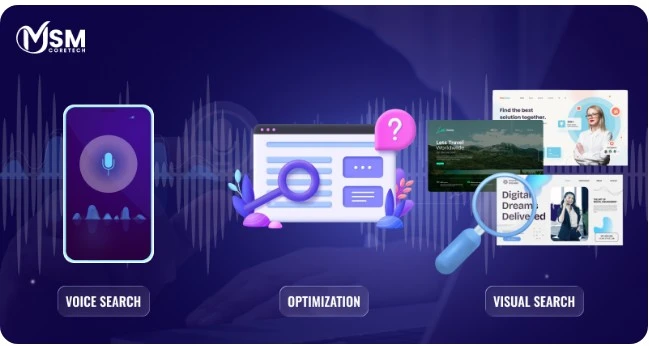
- Voice Search Optimization
- With voice search becoming a dominant force in online searches, optimizing for voice queries is essential in 2026. Websites must adapt to the more conversational style of voice search by incorporating long-tail keywords, question-based phrases, and natural language into their content.
- Voice search optimization improves accessibility for users who rely on voice assistants and speech-to-text tools, making websites more inclusive and helping them rank higher in voice search results.
- Mobile-First Accessibility
- The shift to mobile-first indexing by search engines makes it imperative for websites to be optimized for mobile devices. Mobile-first accessibility includes ensuring that websites are responsive, touch-friendly, and optimized for voice search on smartphones.
- Websites that are optimized for mobile accessibility tend to perform better in search rankings, as they offer better user experience and SEO performance.
- Real-Time Accessibility Adjustments
- Websites in 2026 will increasingly offer real-time accessibility adjustments to cater to individual user needs. For example, users might be able to adjust font size, color contrast, or navigation options without reloading the page.
- This trend not only improves the accessibility of your website but also enhances SEO by creating a more personalized and engaging experience for each user.
- Conversational Content and Structured Data
- With the rise of voice search and conversational queries, website content must be structured to answer common questions directly. Using structured data (such as schema markup) will help search engines better understand the context of your content and display it more effectively in voice search results.
- Conversational content that answers user queries clearly and directly helps improve SEO by matching the way users interact with voice assistants.
The Synergy Between Accessibility and Voice Search Optimization
Voice search optimization and website accessibility are intrinsically linked, and optimizing for one enhances the other:
- Voice search requires clear, concise content that is easily understood by both humans and machines. This aligns perfectly with accessibility best practices, such as using simple language, alt text for images, and proper heading structures to make content more readable and understandable.
- Optimizing for voice search also improves SEO, as search engines give preference to websites that are optimized for voice queries and accessible to users with disabilities.
- Accessibility features like text-to-speech, speech recognition, and easy navigation improve user experience, making it easier for users to interact with content on your website, which also enhances voice search performance.
Practical Tips for Implementing Accessibility Trends for Better SEO
Here are some practical steps to help you integrate accessibility and voice search optimization into your website:
- Optimize for Voice Search:
- Use long-tail keywords and natural language to create content that matches how people speak.
- Focus on answering questions directly, as voice search queries are often in the form of questions (e.g., “How do I fix my phone screen?”).
- Implement Structured Data:
- Use schema markup to provide context for search engines, helping them understand and index your content for voice search and SEO purposes.
- Make Your Website Mobile-First:
- Ensure your website is responsive and optimized for mobile devices. Check that your mobile site loads quickly and is easy to navigate for all users.
- Add AI-Powered Accessibility Features:
- Use AI tools to automatically generate alt text, captions, and adjust accessibility features like color contrast based on user preferences.
- Test for Accessibility Regularly:
- Use tools like WAVE or Google Lighthouse to test for accessibility issues and ensure your website meets WCAG (Web Content Accessibility Guidelines).
Tools and Resources for Testing Accessibility and Voice Search Optimization
To ensure your website is voice search-ready and accessible, use the following tools:
- Google Search Console: Monitor the performance of your site in voice search and track key metrics like click-through rates and featured snippets.
- WAVE: Evaluate your website’s accessibility and make necessary adjustments to ensure compliance with accessibility standards.
- Google Lighthouse: Test your site’s performance and mobile optimization to improve overall SEO and user experience.
- Schema.org: Implement structured data to ensure that your content is properly indexed and optimized for both voice search and traditional search engines.
Conclusion
The future of SEO in 2026 is closely tied to website accessibility. By embracing the latest accessibility trends, website owners can boost their search rankings, improve user engagement, and ensure compliance with regulations. In particular, optimizing for voice search will become more essential as the digital landscape continues to evolve. Read More : https://msmcoretech.com/blogs/voice-search-accessibilty