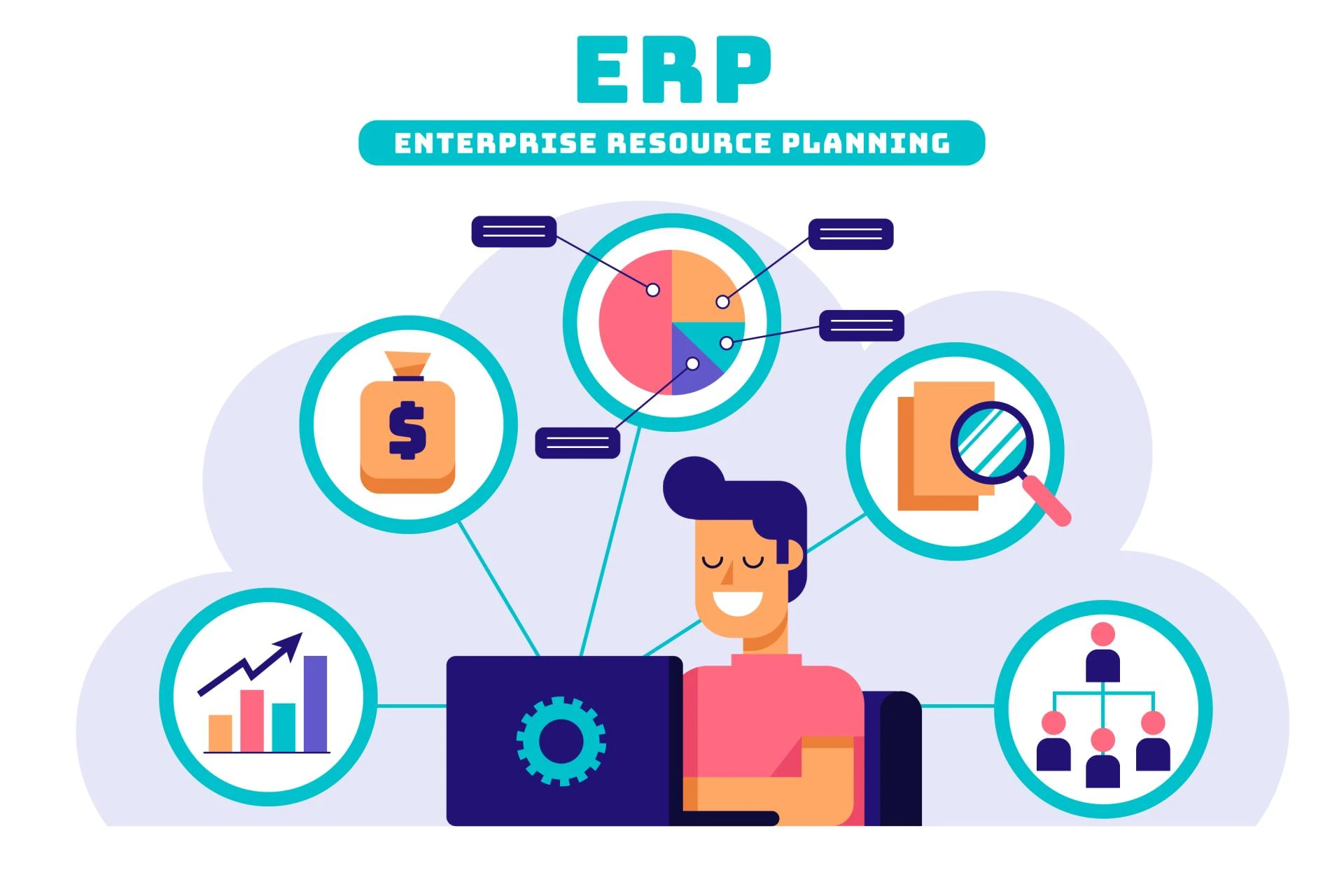
Modern ERPs are constantly evolving. ERP functional consultants must be prepared and skilled to leverage these transformations to guide clients in achieving their business objectives.
2025 is an exciting year for ERP selection consultants. Several advanced technologies, such as artificial intelligence, real-time analytics, and cloud-native architectures, are transforming the industry.
This blog presents key insights into emerging ERP trends and how consultants can take advantage of them to attract more clients and profits.
AI and Machine Learning Integration
Artificial intelligence (AI) has become a game-changer for business apps. ERPs are now smarter, using AI and machine learning (ML) for optimum outputs. Major platforms like SAP S/4HANA, Oracle Cloud ERP, and Microsoft Dynamics 365 integrate AI and ML for:
● Automating repetitive tasks
● Identifying anomalies
● Enabling real-time decision-making, and more
Businesses can leverage this integration for predictive maintenance in manufacturing, automated bank reconciliations in finance, and AI-driven inventory planning. Intelligent systems also benefit from fewer errors, increased efficiency, and accurate data-driven forecasts.
Consultants must know how to unleash the power of AI within their ERP stacks. They should be familiar with tasks such as:
● Interpreting machine learning outputs
● Training models with business data
● Guiding clients in unlocking AI capabilities
The process may need upskilling as it involves more than understanding workflows.
Rise of Low-Code Platforms
Low-code or no-code ERP platforms expedite deployment and allow anyone with minimum coding knowledge to create applications. SAP, Oracle, Microsoft, and other vendors have already tapped into this new field to allow businesses to automate workflows and develop tailored solutions.
For example, you may develop personalized dashboards and customize forms without deep coding expertise.
However, low coding may come with a cost for companies lacking adequate in-house talent. They may run into risks such as unstructured solutions, shadow IT, and data security concerns.
ERP functional consultants must act as enablers and guide businesses as governance stewards. They should familiarize themselves with these platforms and utilize their experience and expertise to ensure best practices, scalability, and compliance.
Consultants should play a key role in maintaining architectural integrity while allowing businesses to accelerate innovation and reduce IT dependency. They can help clients strike the right balance between speed and control to align development with business goals.
Cloud-Native ERP Architecture
The global growth of cloud-native ERP is reflected in its market size of USD 34.83 billion in 2023, according to Grand View Research. Most businesses have moved to the cloud or are planning to do so in 2025 as a part of their digital transformation.
Cloud-native and composable ERP architectures are modular, API-first, and thrive on microservices. They allow businesses to add functionalities quickly, save costs, and ensure complete visibility.
An ERP functional consultant must learn how to work with a modular architecture. A key task is integrating each component to become a part of the connected ecosystem.
Additionally, consultants should familiarize themselves with aspects such as:
● iPaas (integration platform as a service)
● Cloud-native design principles
● Vendor-specific composability tools
Understanding licensing models, scalability options, and integration challenges is equally important. This will enable consultants to foster agile, cloud-first ERP environments that grow with the business.
Real-Time Analytics
Real-time analytics and business intelligence (BI) have become a part of modern ERPs. Decision-makers can access KPIs, financial dashboards, and operational insights with a click for optimum monitoring and visibility.
Major vendors like SAP and Microsoft integrate these technologies to deliver native, in-context reporting. The market is also experiencing a high demand for self-service BI across finance, supply chain, and operations.
Functional consultants should learn the art of data storytelling to leverage the situation. They should understand ERP data models, design meaningful KPIs, and guide clients to use BI tools for smarter decision-making.
Hands-on activities to learn include:
● Customizing dashboards for different business roles
● Training end-users to interpret real-time metrics
● Turning raw data into actionable insights
This will allow consultants to boost performance in data-first enterprises.
How You Can Stay Ahead
ERP consultants must be prepared to capitalize on emerging trends to help clients write success stories and establish themselves as leaders in the industry.
● Focus on continuous learning and collaboration. Build hands-on exposure to new features such as AI modules, low-code tools, and embedded BI.
● Develop a cross-functional mindset for smarter implementations. Work with technical teams, data analysts, and AI specialists to bridge the gap between business needs and emerging technologies.
● Moreover, master industry-specific workflows and change management strategies. Domain knowledge is essential to help clients develop tailored solutions and processes.
● Adopt an agile and adaptive approach. Embrace new tools, iterate your methods, and become a strategic change enabler.
● Maintain certification in platforms like SAP, Oracle, or Microsoft Dynamics. Take on the role of transformation partners for your clients to foster growth and innovation.
Are You Ready for Transformation?
ERPs are turning modular, smarter, and faster in 2025. ERP selection consultants must be prepared to evolve their skills to remain relevant and competitive in the market. The key trends to look out for are AI, real-time analytics, cloud-native solutions, and low-code platforms.
If you’re a business, partner with an ERP functional consultant who always stays updated, like Contetra. We can help you leverage emerging trends and technologies to foster growth, innovation, and digital transformations.
Contact us today to learn more.