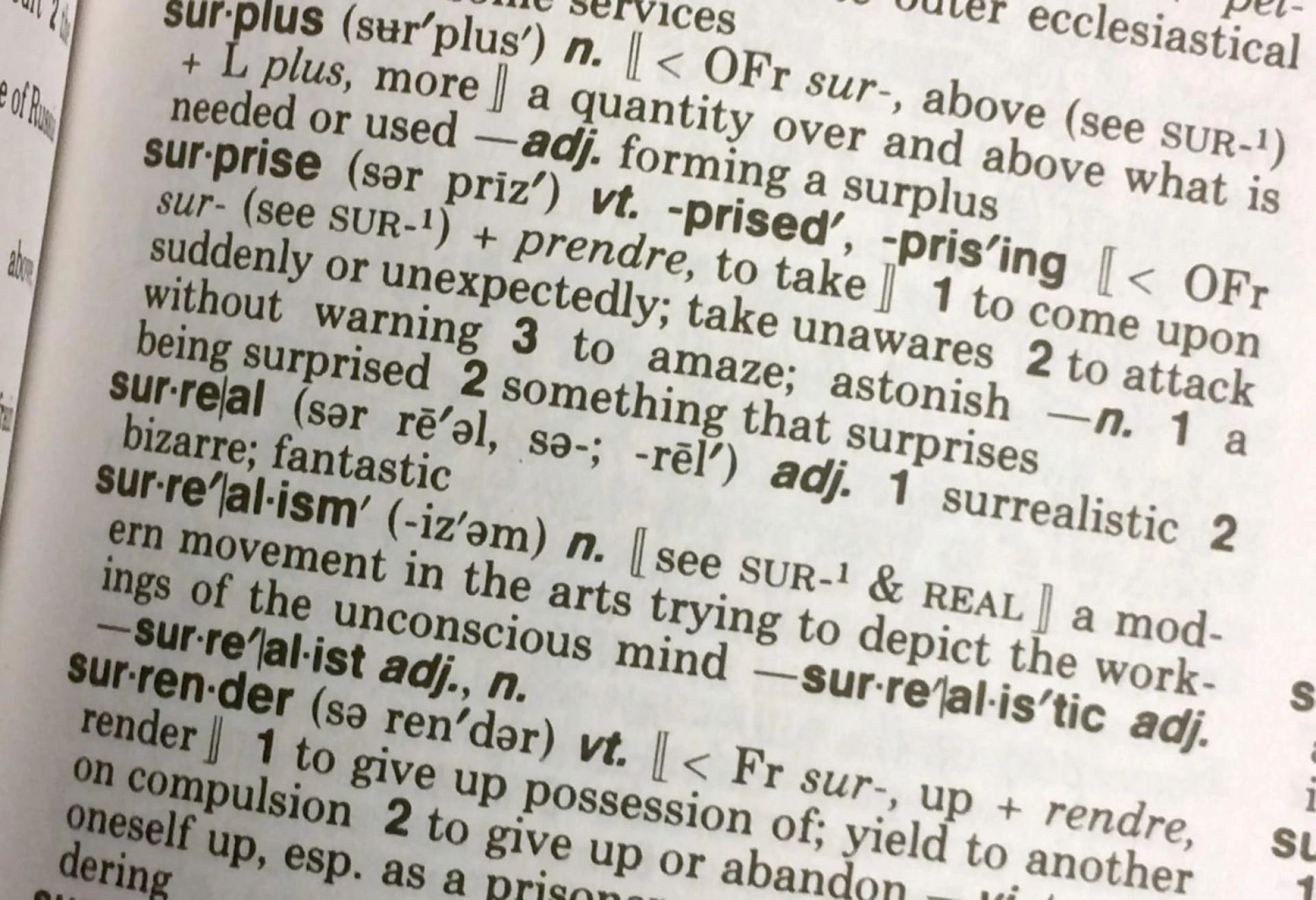
This scenario plays out constantly in classrooms, game nights, and crossword puzzles where that high-value Z sits unused because players simply can't recall appropriate words. The letter Z appears in approximately 0.07% of English text—rare enough to cause vocabulary gaps yet common enough that building a mental catalog of 15 words with z dramatically improves your linguistic flexibility whether you're playing competitive word games, solving puzzles, or simply expressing yourself with precision and variety.
Let's explore fifteen useful Z-words spanning different difficulty levels, contexts, and applications—practical vocabulary additions rather than obscure terms you'll never actually use.
1. Zenith (noun)
Definition: The highest point or peak; the culmination or apex of something.
Usage: "Her career reached its zenith when she won the Nobel Prize at age forty-five."
Zenith originally referred to the point in the sky directly overhead opposite the nadir (lowest point), but metaphorical usage now predominates. The word carries connotations of achievement and excellence, describing moments when success peaks. It's particularly useful in professional contexts when discussing career trajectories, business performance, or achievement levels. The Z provides linguistic flair while the meaning remains accessible—everyone understands peak moments even if they typically use simpler words.
2. Zealous (adjective)
Definition: Showing great energy and enthusiasm in pursuit of a cause or objective; fervent.
Usage: "The zealous volunteers worked sixteen-hour days organizing the relief effort."
Zealous describes passionate commitment that goes beyond mere interest into intense dedication. While enthusiasm suggests positive energy, zealous sometimes carries implications of excessive fervor bordering on fanaticism—context determines whether the connotation is positive or slightly critical. Religious contexts frequently employ this word, though it applies equally to political activists, dedicated employees, or anyone pursuing goals with remarkable intensity. Related forms include "zeal" (noun) and "zealot" (noun, often with negative connotations of extremism).
3. Zephyr (noun)
Definition: A soft, gentle breeze; something that is light, delicate, or insubstantial.
Usage: "A cool zephyr provided welcome relief from the afternoon heat."
Zephyr originates from Greek mythology where Zephyros was the god of the west wind, considered the gentlest of the wind gods. Modern usage retains this sense of pleasant, mild breezes rather than powerful winds. The word appears frequently in poetry and literary prose where its soft sound complements its gentle meaning. Beyond literal wind references, zephyr sometimes describes anything light and airy—fabrics, movements, or even personalities characterized by gentle, unassuming qualities.
4. Zeitgeist (noun)
Definition: The defining spirit or mood of a particular period in history as shown by the ideas and beliefs of the time.
Usage: "Social media perfectly captured the zeitgeist of the 2010s."
This German loanword (literally "time spirit") describes the prevailing cultural, intellectual, and moral climate of an era. Unlike "trend" which suggests superficial fashion, zeitgeist encompasses deeper philosophical and social currents defining how people think and feel during specific periods. Cultural critics, historians, and social commentators frequently invoke zeitgeist when analyzing what makes particular eras distinctive. Understanding a period's zeitgeist helps explain why certain movements, artistic styles, or social changes emerged when they did.
5. Zigzag (noun, verb, adjective)
Definition: A line or course having abrupt alternate right and left turns; to move in this pattern.
Usage: "The hiking trail zigzagged up the steep mountain slope."
Zigzag's versatility across multiple parts of speech makes it particularly useful. As a noun, it describes the pattern itself. As a verb, it describes movement in that pattern. As an adjective, it modifies nouns with that characteristic. The word's playful, almost onomatopoetic quality (the sound suggests the jagged motion) makes it memorable and fun to use. Beyond literal physical movement, zigzag can describe anything following an irregular, indirect path—career trajectories, conversation topics, or economic indicators showing erratic patterns rather than steady progressions.
For students building vocabulary systematically across various subjects and applications, comprehensive Psych Times educational resources provide structured learning materials, practice exercises, and contextual examples that transform isolated word memorization into integrated language mastery supporting academic success and effective communication.
6. Zodiac (noun)
Definition: A belt of the celestial sphere divided into twelve astrological signs; the diagram representing this.
Usage: "She checked her zodiac sign's horoscope every morning before work."
While zodiac primarily appears in astrological contexts describing the twelve constellations through which the sun, moon, and planets appear to move, the word extends into broader cultural usage. "Zodiac killer," zodiac-themed jewelry, and zodiac personality discussions have embedded this term deeply in popular culture beyond its astronomical origins. Whether you believe in astrology or not, understanding zodiac's meaning enables comprehension of countless cultural references appearing in conversations, media, and literature.
7. Zombie (noun)
Definition: A corpse reanimated through supernatural or scientific means; figuratively, a person who seems lifeless, apathetic, or completely unresponsive.
Usage: "After the overnight shift, I stumbled into work looking like a complete zombie."
Zombie originated in Haitian folklore describing reanimated corpses controlled by sorcerers but gained massive cultural prominence through horror films and television. Modern usage extends well beyond literal undead creatures into metaphorical applications—"zombie companies" (businesses surviving despite being essentially dead), morning zombies (people not yet fully awake), or zombie arguments (repeatedly refuted ideas that won't die). This versatility makes zombie valuable vocabulary beyond Halloween contexts.
8. Zoning (noun, verb form)
Definition: The division of land into zones for different purposes; mentally disconnecting or losing focus.
Usage: "The city's zoning laws prohibited commercial development in residential neighborhoods."
Zoning primarily appears in urban planning and real estate contexts describing how municipalities regulate land use, but informal usage describes mental disconnection—"zoning out" means losing attention or focus. This dual meaning creates occasional confusion though context usually clarifies which sense applies. Understanding zoning regulations matters for property owners, developers, and anyone interested in urban development, while the mental disconnection sense appears in casual conversation describing attention lapses.
9. Zest (noun)
Definition: Great enthusiasm and energy; the outer colored part of citrus peel used as flavoring.
Usage: "She approached every project with remarkable zest and creativity."
Zest's dual meaning—spirited enthusiasm and citrus peel—creates interesting linguistic territory where the same word operates in completely different contexts. The enthusiasm sense suggests vitality, passion, and energetic engagement with life. Culinary zest refers specifically to the colored outer peel layer containing flavorful oils, excluding the bitter white pith beneath. Both meanings share connotations of adding flavor or interest—emotional zest enlivens experiences while lemon zest enlivens dishes. Related adjective "zesty" applies to both meanings, describing either spirited personalities or tangy flavors.
10. Zero (noun, verb, adjective)
Definition: The numerical figure 0; nothing; to adjust or aim precisely; having no measurable quantity.
Usage: "After paying all the bills, my bank balance was practically zero."
Zero represents such fundamental vocabulary that we forget it contains that valuable Z. Beyond basic numerical meaning, zero functions idiomatically in phrases like "zero in on" (focus precisely), "zero tolerance" (complete prohibition), "zero hour" (critical moment), and "absolute zero" (theoretical lowest temperature). The word's versatility across mathematical, military, and casual contexts makes it extraordinarily useful despite its simplicity. As a verb, zeroing describes precise calibration—zeroing sights, zeroing scales, or zeroing in on targets.
Conclusion
These fifteen words—zenith, zealous, zephyr, zeitgeist, zigzag, zodiac, zombie, zoning, zest, zero, zealot, zany, zen, zoology, and crystallize—demonstrate Z's versatility across contexts from scientific terminology through casual conversation to literary description. Some, like zero and zigzag, appear so commonly we forget their Z-value, while others like zeitgeist and zephyr add sophisticated flair to expression. Building familiarity with diverse Z-words improves word game performance, enhances vocabulary breadth, and provides precise terminology for nuanced communication. Whether you're helping a frustrated nephew win at Scrabble, solving crossword puzzles, writing more varied prose, or simply enjoying language's richness, maintaining a mental catalog of Z-words transforms that challenging high-value letter from liability into asset, proving that even English's less common letters offer abundant possibilities for those willing to explore beyond the obvious choices and discover the linguistic treasures hiding in vocabulary's less-traveled corners.