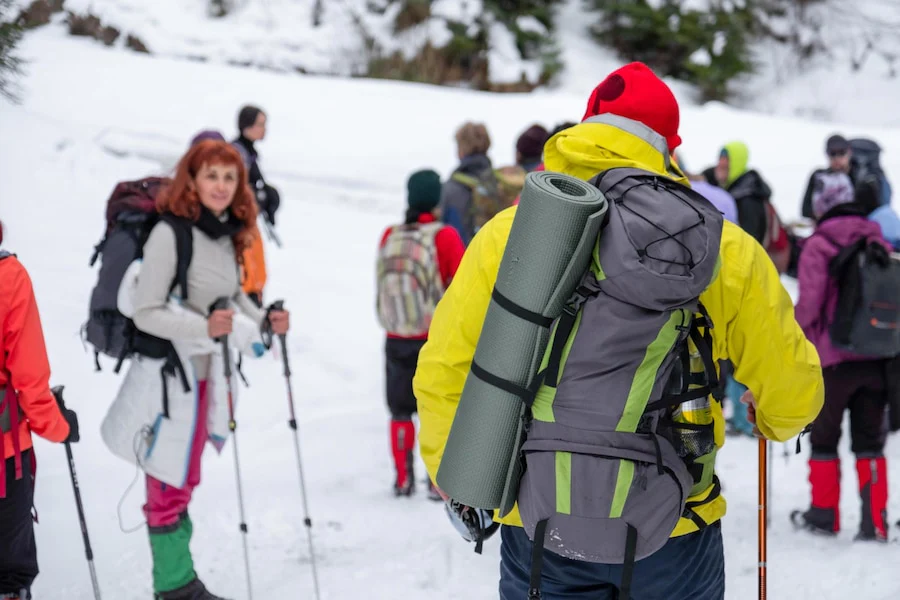
If you’re planning to hit the snow-covered trails this winter, chances are you’ve heard plenty of myths about how tough, dangerous, or uncomfortable it can be. The truth is, winter trekking can be safe, fun, and incredibly rewarding—with the right gear, mindset, and preparation. Let’s break down the most common myths about winter trekking and set the record straight.
1. “Winter trekking is only for experts”
It’s easy to assume that only professionals can handle freezing temperatures or snowy terrain. But plenty of beginner-friendly winter treks are available for those who plan well and prepare physically. Start small, learn the basics, and you’ll be amazed at how approachable winter trekking can be.
2. “Cotton clothing is fine in cold weather”
This one’s a classic mistake. Cotton traps moisture, and wet clothes in cold temperatures can cause your body temperature to drop rapidly. Instead, opt for moisture-wicking base layers and weather-resistant Trekking pants made from synthetic or merino wool fabrics. These materials dry quickly and keep you insulated, even in sub-zero conditions.
3. “You don’t need to train for winter treks”
Snowy terrain and heavy layers require more endurance and balance than a regular hike. Pre-trek training—focusing on leg strength, core stability, and stamina—can make your experience safer and more enjoyable.
4. “Hydration isn’t important in winter”
Since it’s cold, many assume you won’t sweat or lose fluids, but the dry air actually dehydrates you faster. Carry an insulated water bottle and sip regularly. Staying hydrated keeps your muscles working efficiently and prevents altitude fatigue.
5. “Winter treks aren’t scenic or fun”
Quite the opposite! Winter transforms trails into breathtaking white landscapes. The peaceful silence, snow-dusted peaks, and crisp air create a one-of-a-kind experience that’s often more serene than summer treks.
6. “You don’t need sunscreen or sunglasses in snow”
Snow reflects up to 80% of UV rays—far more than grass or dirt. Without protection, you risk sunburn or snow blindness. Always apply sunscreen and wear UV-protected sunglasses to keep your skin and eyes safe.
7. “Alcohol keeps you warm while trekking”
While it gives temporary warmth, alcohol actually lowers your core body temperature and dehydrates you. Warm fluids like soup or tea are far better ways to stay comfortable and energized on the trail.
8. “All water sources are frozen in winter”
Not entirely true. Many streams, especially spring-fed ones, continue to flow under thin layers of ice. With guidance from locals or trek leaders, you can safely refill bottles and stay hydrated.
9. “Falling in snow is harmless”
Snow may look soft, but it can hide ice, rocks, or holes beneath. Always tread carefully, use trekking poles for stability, and wear high-traction boots to prevent slips and injuries.
10. “You don’t need many layers if you’re used to the cold”
Even seasoned trekkers underestimate how quickly temperatures drop at higher altitudes. Layer properly—a thermal base, insulating fleece, windproof jacket, and durable Trekking pants to stay warm and flexible throughout your journey.
Final Thoughts
Winter trekking isn’t something to fear—it’s something to prepare for. Once you debunk these myths and equip yourself with the right clothing, boots, and Trekking pants, you’ll find that snow-covered trails offer some of the most peaceful and rewarding adventures of the year.
So, pack smart, train a little, and embrace the beauty of winter trekking—it’s time to make memories, not excuses.