
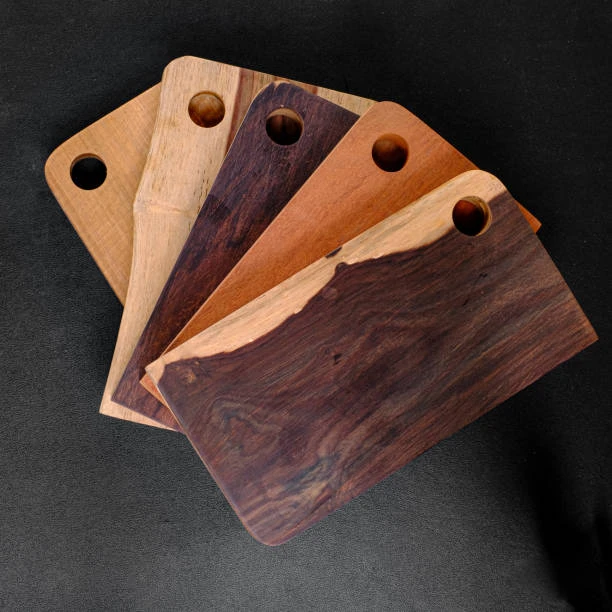
A well-chosen chopping surface can completely change the way you cook. Whether you’re preparing quick weekday meals or experimenting with new recipes, the right board makes food prep smoother, safer, and more enjoyable. If you’re considering investing in a cutting board teak, there are a few important things you should understand before making your purchase. Teak wood is known for its durability and natural beauty, but not all boards are created equal.
Here are ten essential things to know before buying one for your home.
1. Why Teak Wood Stands Out
Teak is one of the most popular hardwoods used in kitchen tools, and for good reason. It contains natural oils that make it resistant to moisture, warping, and cracking. This makes it ideal for daily use in a busy kitchen environment.
Unlike softer woods, teak doesn’t absorb water easily, which helps prevent bacterial growth. That’s a major advantage when dealing with raw ingredients like meat and vegetables.
2. Durability Matters More Than You Think
When you buy a chopping board, you’re not just buying a surface—you’re investing in something you’ll use almost every day. A high-quality cutting board teak can last for years, even with regular use.
Teak wood is tough enough to withstand knife marks without becoming deeply scarred. This helps maintain both the appearance and hygiene of the board over time.
3. Knife-Friendly Surface
One common concern people have is whether a wooden board will dull their knives. The good news is that teak offers a balanced surface—it’s firm enough to handle cutting but gentle enough to preserve your knife edges.
This means you won’t have to sharpen your knives as frequently compared to using harder materials like glass or stone boards.
4. Types of Teak Cutting Boards
Not all teak boards are the same. You’ll typically find two main types:
- Edge-grain boards: Made from long strips of wood, these are durable and often more affordable.
- End-grain boards: Created by arranging wood fibres vertically, these are more resistant to knife marks and tend to last longer.
Understanding the difference helps you choose a board that fits your cooking habits and budget.
5. Size and Thickness Are Key
Before buying, think about how much space you have in your kitchen and how you plan to use the board.
- Smaller boards are great for quick tasks like slicing fruit.
- Larger boards provide more room for chopping vegetables or preparing full meals.
- Thicker boards tend to be sturdier and more durable.
If you cook regularly, investing in a larger, thicker board is usually the smarter choice.
6. Maintenance Is Simple but Essential
One of the best things about teak is that it’s relatively low maintenance. However, a little care goes a long way.
To keep your board in top condition:
- Wash it with mild soap and warm water
- Avoid soaking it for long periods
- Dry it immediately after washing
- Apply food-safe oil occasionally to maintain its finish
Following these simple steps will keep your board looking new and performing well.
7. Hygiene and Food Safety
A quality cutting board teak is naturally resistant to bacteria thanks to its dense grain and natural oils. However, proper cleaning is still essential.
It’s also a good idea to use separate boards for raw meat and vegetables to avoid cross-contamination. Even the best materials need good kitchen habits to stay safe.
8. Design and Aesthetic Appeal
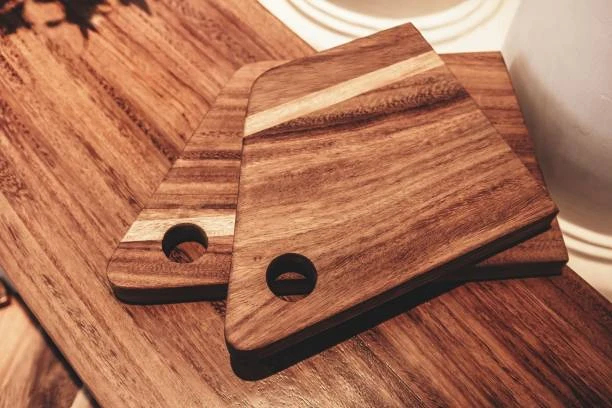
Teak boards aren’t just practical—they’re also visually appealing. The rich golden-brown tones add a warm, natural touch to your kitchen.
Many people even use them as serving boards for cheese, bread, or appetisers. A well-crafted board can double as both a kitchen tool and a stylish presentation piece.
Brands like CC Collections offer beautifully designed options that combine function with elegance, making them suitable for both cooking and serving.
9. Sustainability and Eco-Friendliness
If you’re conscious about the environment, teak can be a good choice—provided it’s sourced responsibly. Look for boards made from sustainably harvested wood.
Choosing a durable product also reduces waste, as you won’t need to replace it frequently. Investing in a high-quality board from trusted names like CC Collections ensures you’re getting both longevity and responsible craftsmanship.
10. Price vs Value
Teak cutting boards can vary in price, but it’s important to think in terms of value rather than cost.
A cheaper board may save money upfront, but it might not last long. On the other hand, a well-made teak board may cost more initially but will serve you for years.
When you factor in durability, performance, and aesthetics, teak boards often prove to be a worthwhile investment.
Final Thoughts
Buying the right chopping board is about more than just picking something that looks good. It’s about finding a reliable, durable, and safe surface that enhances your cooking experience. A well-chosen cutting board teak offers the perfect balance of strength, hygiene, and style.
By understanding these ten key points, you’ll be in a much better position to choose a board that fits your needs and complements your kitchen. Whether you’re an occasional cook or someone who spends hours preparing meals, the right board can make all the difference.
FAQ
1. Is teak better than other wood for cutting boards?
Yes, teak is highly durable, naturally water-resistant, and less prone to cracking compared to many other woods.
2. How often should I oil a teak cutting board?
It depends on usage, but generally once every few weeks or when the board starts to look dry.
3. Can I put a teak cutting board in the dishwasher?
No, dishwashers can damage the wood. Always wash it by hand and dry it immediately.
4. Is a teak cutting board safe for raw meat?
Yes, but it’s best to use a separate board for raw meat to maintain proper hygiene.
5. How long does a teak cutting board last?
With proper care, a high-quality teak cutting board can last for many years, making it a great long-term investment.