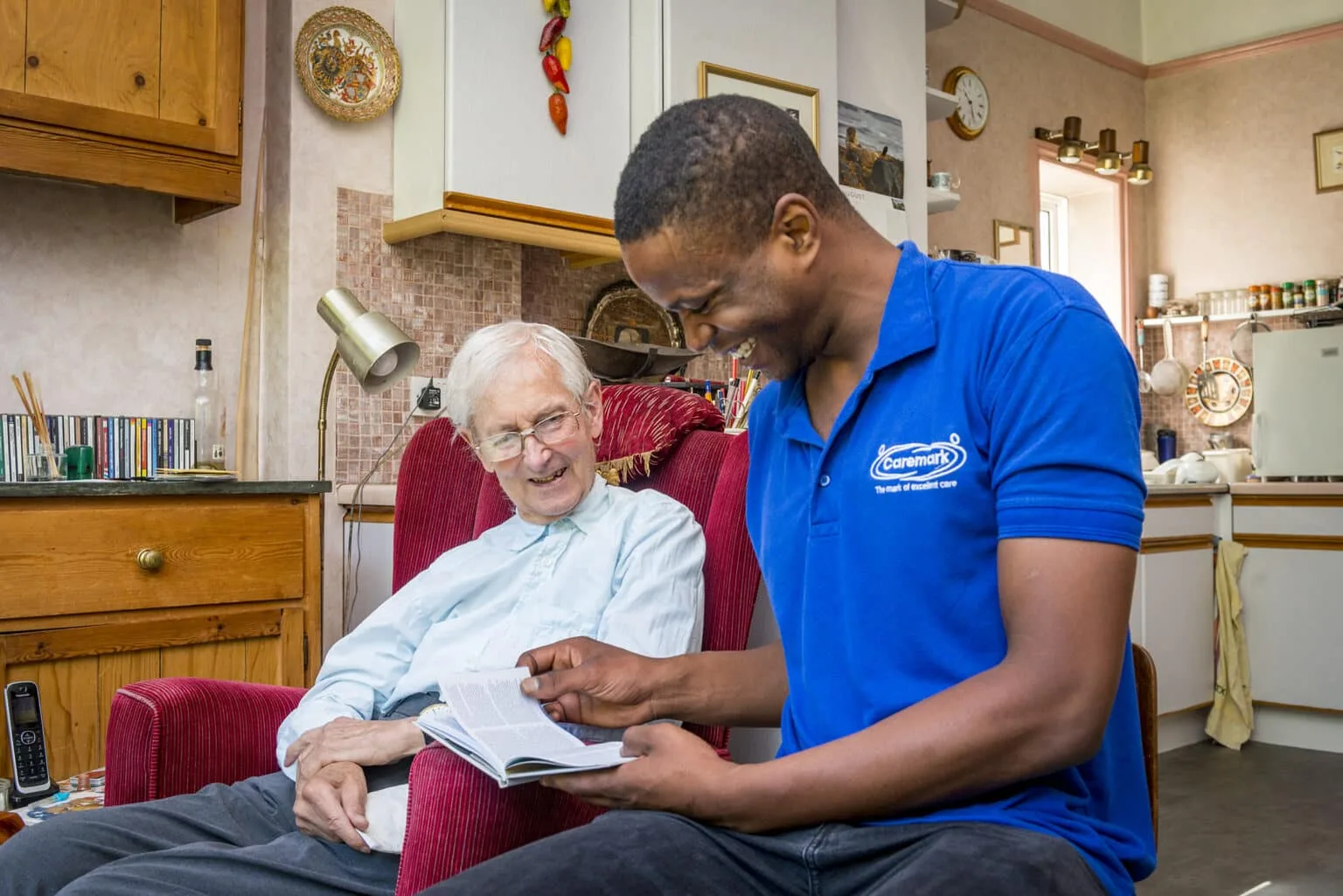
As our loved ones grow older or recover from illness, everyday tasks that once seemed simple can become increasingly difficult. While many families want to help, balancing caregiving with work, children, and personal commitments can be overwhelming. Fortunately, care at home offers a compassionate solution that allows older adults to receive the support they need while remaining in the comfort of familiar surroundings.
Recognising the early signs that someone may need additional assistance can make a significant difference to their safety, health, and overall quality of life. Here are ten common signs that your loved one could benefit from professional care at home.
1. Everyday Tasks Are Becoming Difficult
One of the earliest signs is when routine activities such as cooking, cleaning, shopping, or laundry become challenging. You may notice unopened mail piling up, an untidy home, or an empty fridge.
Professional care at home can assist with household tasks, meal preparation, and daily routines, helping your loved one maintain independence without feeling overwhelmed.
2. Personal Hygiene Is Being Neglected
If your loved one is bathing less often, wearing the same clothes for several days, or struggling with grooming, it may indicate that personal care has become difficult.
A trained caregiver can provide respectful assistance with washing, dressing, grooming, and mobility while preserving dignity and encouraging confidence.
3. Frequent Falls or Mobility Problems
Falls are one of the leading causes of injury among older adults. Even if no serious injury occurs, a fall can reduce confidence and make someone fearful of moving around independently.
Care at home professionals can:
- Assist with safe movement around the home
- Help prevent falls
- Encourage appropriate physical activity
- Identify potential hazards in the home environment
This support can significantly improve safety while promoting independence.
4. Forgetfulness Is Affecting Daily Life
Occasional forgetfulness is normal, but consistently forgetting medications, appointments, meals, or important tasks may signal a need for additional support.
Care at home can provide:
- Medication reminders
- Daily routine support
- Appointment assistance
- Gentle encouragement and reassurance
For individuals living with dementia or Alzheimer's disease, specialist home care can also provide personalised support tailored to changing needs.
5. Noticeable Weight Loss or Poor Nutrition
Preparing healthy meals can become difficult due to reduced mobility, memory issues, or lack of motivation. As a result, older adults may skip meals or rely on unhealthy convenience foods.
Professional caregivers help by:
- Planning nutritious meals
- Preparing fresh food
- Encouraging hydration
- Monitoring eating habits
Proper nutrition plays a vital role in maintaining strength, immunity, and overall wellbeing.
6. Recovering After Illness or Hospital Discharge
After surgery, illness, or a hospital stay, many people require temporary support before they can safely manage independently.
Care at home can assist with:
- Personal care
- Mobility support
- Medication reminders
- Household chores
- Meal preparation
- Emotional encouragement during recovery
This reduces the risk of complications and unnecessary hospital readmissions.
7. Loneliness and Social Isolation
Many older adults spend long periods alone, especially if family members live far away or have busy schedules. Loneliness can contribute to depression, anxiety, and declining physical health.
Care at home isn't only about practical assistance—it also provides valuable companionship. Caregivers can:
- Enjoy conversations
- Share hobbies
- Accompany clients on walks
- Help with shopping or appointments
- Encourage community activities
Regular social interaction has been shown to improve emotional wellbeing and overall happiness.
8. Family Caregivers Are Feeling Overwhelmed
Many family members naturally take on caregiving responsibilities, but doing so without support can lead to physical exhaustion, emotional stress, and burnout.
If you're constantly worrying, losing sleep, or struggling to balance caregiving with other responsibilities, it may be time to seek professional help.
Care at home allows families to:
- Take regular breaks
- Maintain work-life balance
- Spend quality time with loved ones instead of focusing only on caregiving tasks
- Feel confident that their family member is receiving professional support
Seeking help isn't a sign of failure—it's a proactive step toward better care for everyone involved.
9. Managing Medical Conditions Is Becoming More Difficult
Chronic conditions such as arthritis, Parkinson's disease, diabetes, heart disease, or dementia often require ongoing support.
Care at home professionals can help monitor daily routines, encourage medication adherence, assist with mobility, and communicate with healthcare professionals when necessary.
Having consistent support often leads to better management of long-term health conditions and improved quality of life.
10. Your Loved One Wants to Stay in Their Own Home
Perhaps the most important sign is simply your loved one's wish to remain at home. Many older adults feel happier, more secure, and more independent in familiar surroundings.
Care at home makes this possible by providing flexible support that adapts as needs change. Whether assistance is required for just a few hours each week or on a daily basis, personalised care allows individuals to continue living comfortably in the place they know and love.
Benefits of Choosing Care at Home
Professional care at home offers many advantages, including:
- Maintaining independence
- Personalised one-to-one support
- Familiar and comfortable surroundings
- Flexible care plans
- Greater peace of mind for families
- Improved physical and emotional wellbeing
- Reduced risk of falls and hospital admissions
- Enhanced quality of life
Every individual has unique needs, and home care services can be tailored accordingly.
When Should You Start Looking for Care?
Many families wait until a crisis occurs before seeking support. However, arranging care early often leads to better outcomes. Early intervention allows older adults to gradually adjust to receiving assistance while maintaining their independence and confidence.
If you've noticed several of the signs discussed above, it may be worth having an open conversation with your loved one about their needs and exploring suitable care options together.
Final Thoughts
Recognising when someone needs extra support isn't always easy, especially when they value their independence. However, addressing small challenges early can prevent larger problems in the future.
Professional care at home Worthing provides practical assistance, companionship, and reassurance while enabling older adults to continue living safely and comfortably in familiar surroundings. It also offers invaluable peace of mind for family members, knowing their loved one is receiving compassionate, personalised support.
Every person's journey is different, but with the right care in place, older adults can continue to enjoy independence, dignity, and a better quality of life in the home they cherish.