
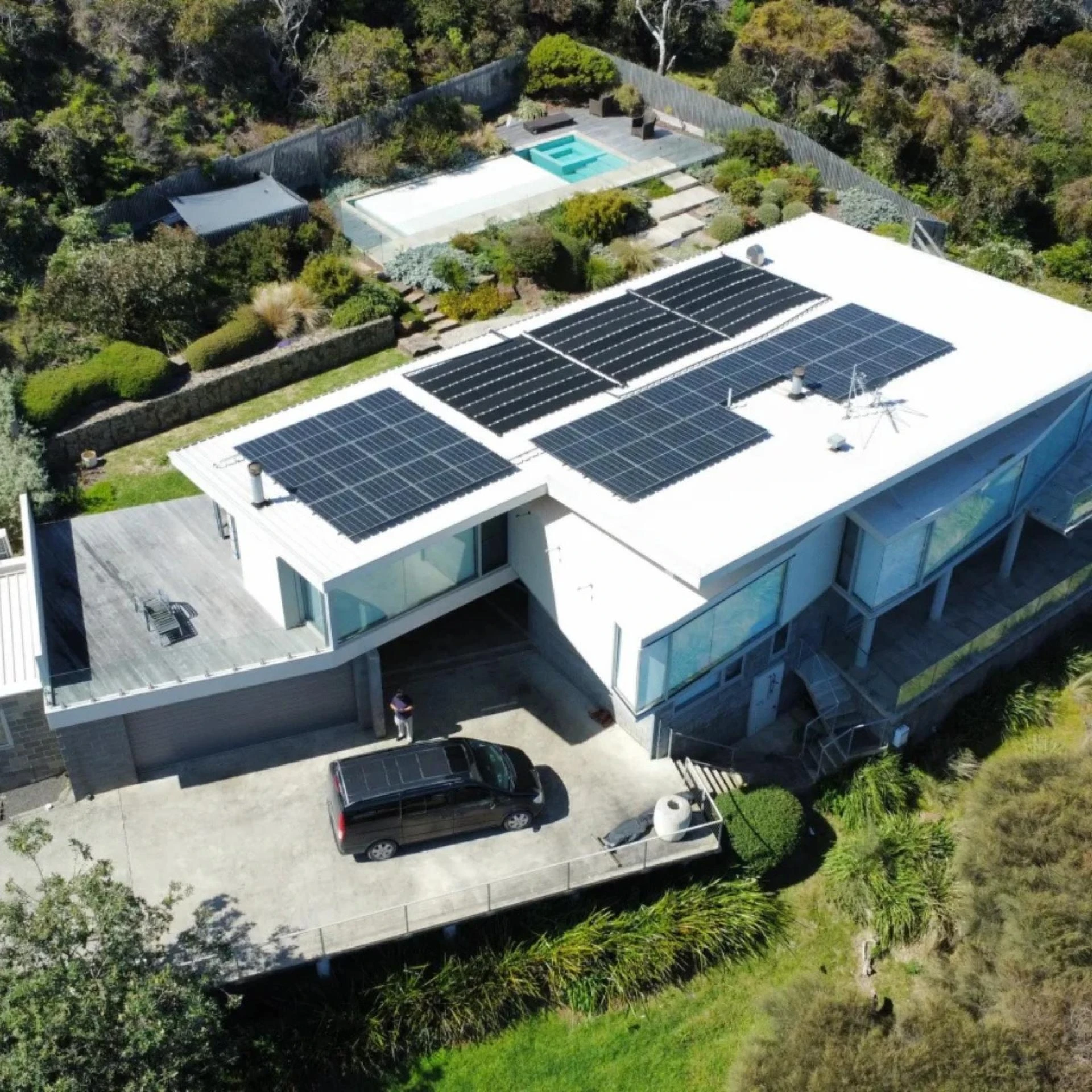
Commercial solar represents one of the most significant infrastructure investments your business will make. While the promise of reduced energy costs and sustainability credentials sounds appealing, rushing into solar without proper due diligence can lead to disappointing results. Smart business owners ask the right questions upfront to ensure their solar investment delivers maximum returns.
1. What Does My Current Energy Consumption Actually Cost Me?
You need precise numbers before evaluating solar proposals. Pull 12–24 months of utility bills and calculate your average monthly consumption in kilowatt-hours (kWh). Identify seasonal peaks and understand your rate structure. Many businesses discover they pay significantly more during peak demand periods. This baseline data helps you measure solar’s true impact and spot inflated savings projections from aggressive sales teams.
2. How Much Usable Space Do I Have for Solar Panels?
Walk your property with a critical eye. Rooftop systems require structurally sound surfaces with minimal shading from trees, neighboring buildings, or HVAC equipment. Ground-mount systems need adequate land that won’t interfere with future expansion plans. Each commercial panel typically measures 6–7 feet by 3–4 feet. A 100kW system requires roughly 6,000–8,000 square feet of unobstructed space. Measure your available area before entertaining installation quotes.
3. Does My Roof Need Replacement Soon?
Solar panels last 25–30 years. Removing and reinstalling them for roof repairs costs $15,000-$30,000 or more. Commission a professional roof inspection before committing to solar. If your roof has 10 or fewer years of life remaining, replace it first. The upfront cost stings less than paying twice for panel installation or voiding your solar warranty with mid-life roof work.
4. What Incentives Can My Business Actually Claim?
The federal Investment Tax Credit (ITC) currently offers 30% back on commercial solar installations, but you need sufficient tax liability to claim it. State and local incentives vary dramatically by location. Some utilities offer additional rebates or favorable net metering policies. Work with your accountant to understand which incentives apply to your specific business structure and tax situation. Don’t assume you’ll capture every incentive your installer mentions.
5. Should I Buy, Lease, or Sign a Power Purchase Agreement?
Each financing model suits different business situations. Purchasing systems outright maximizes long-term savings and allows you to claim all tax benefits, but requires significant capital. Leasing eliminates upfront costs but transfers ownership benefits to the leasing company. Power Purchase Agreements (PPAs) let you buy solar electricity at fixed rates without owning the equipment. Evaluate which model aligns with your cash flow, tax position, and long-term property plans.
6. How Will This System Perform During Grid Outages?
Many business owners assume solar panels provide backup power during blackouts. They don’t — unless you add battery storage. Grid-tied systems automatically shut down when the grid fails for safety reasons. If power reliability matters to your operations, budget for battery backup systems. This addition increases costs by 50–100% but delivers true energy independence when you need it most.
7. What Happens If I Sell or Relocate My Business?
Solar systems become property fixtures. Selling your building with an owned system can increase property value, but you need documentation showing positive cash flow from day one. Leased systems or PPAs complicate sales because buyers must assume the agreement. Some commercial real estate buyers walk away from properties with solar obligations they don’t understand. Plan your exit strategy before signing contracts.
8. What Maintenance Does Commercial Solar Actually Require?
Installers love claiming solar needs “virtually no maintenance,” but that’s misleading. Panels require periodic cleaning to maintain efficiency — more frequently in dusty or industrial areas. Inverters typically need replacement after 10–15 years at $5,000-$15,000. Monitoring systems require attention to catch performance issues early. Budget 0.5–1% of system cost annually for maintenance and repairs.
9. Who Handles Permits, Inspections, and Utility Interconnection?
Commercial solar installations require building permits, electrical inspections, and utility approval for grid connection. This process takes 2–6 months in most jurisdictions. Your installer should manage this bureaucracy, but you need written confirmation of who’s responsible. Delays in interconnection approval mean delays in energy savings.
10. What Guarantees Protect My Investment?
Scrutinize three separate warranties: equipment warranties (panels, inverters, mounting hardware), performance guarantees (energy production levels), and workmanship warranties (installation quality). Top-tier panel manufacturers offer 25-year performance warranties guaranteeing 80–85% output. Installation workmanship should carry at least a 10-year warranty. Get everything in writing and verify the installer will still exist to honor these commitments.
Asking these questions protects you from costly mistakes and identifies installers who prioritize your success over quick sales. The right commercial solar system transforms your energy costs — but only when you’ve done the homework first.