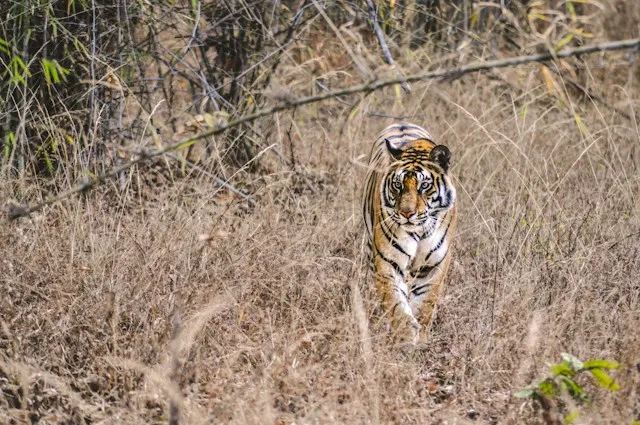
A tiger safari in India can be a fantastic experience. You will get to explore some beautiful forests and see wildlife in their natural habitat. There are many amazing national parks in India such as Madhya Pradesh, Rajasthan and Maharashtra where you can search for Bengal tigers.
When planning your tiger safari, there are many factors to consider, including safari permits, dates, zones, accommodation and how many drives you will take.
Many people make basic mistakes when planning their first visit. Below are 10 common mistakes that should be avoided.
1. Picking a National Park Without Research
A common mistake is to just pick a popular national park. There are many amazing places to visit such as Bandhavgarh, Kanha, Ranthambore, Pench and Tadoba.
Each reserve will have different landscapes and wildlife. Some will be open grasslands whilst others will have very dense forests and lots of bamboo trees. Some will be easier to access than others and there will be different accommodation and safari options.
Before deciding which national park to visit, do some research. Think about the location, scenery, wildlife, how far you would need to travel and the facilities available. Pick a park that will match your interests and your travel dates.
2. Booking Your Safari at the Last Minute
A common example of Bandhavgarh Safari Booking Mistakes is leaving your safari reservation until the last minute. Safari permits can be limited and popular national parks can be busy during peak months. This can limit the dates, zones and times you can go on.
It can become tricky if you’re travelling with family.
Try to book your safari as early as possible. This means you will have more flexibility with your permits and accommodation. Always check for official booking information.
3. Not Knowing About the Safari Zones
Many national parks in India have different safari zones. Each will have different landscapes and routes through the forests. Some people think they’ll get the same experience in all zones. However, there can be different amounts of vegetation, water and wildlife movement.
Before booking your safari, do some research into what zones are available. Local safari experts can help you with the gates you can enter, routes and what the conditions will be like depending on the season.
Remember that there is no guarantee you will see a tiger in any of the zones. Wildlife will roam freely.
4. Not Taking Enough Safari Drives
A common mistake is to expect to see a tiger on one drive. Tigers are wildlife, so their movements will be affected by natural conditions.
They can be sleeping in dense areas of vegetation, moving to sources of water or not being in the areas that are commonly used for safari drives.
If you’re looking to see tigers, then try to stay for 2 or 3 nights in the reserve. This way you can enjoy more morning and afternoon drives.
Whilst there is no guarantee of seeing wildlife, having more drives will help you to explore more routes.
5. Travelling in the Wrong Season
Conditions in national parks in India can vary depending on the time of year. This can impact the amount of vegetation, water, road conditions and safari experience.
During the summer months, some reserves will have less vegetation, meaning you’ll have great visibility. However, temperatures can get very high. During the winter months, it is usually a nice temperature for your safari. During the monsoon season, many core areas of the park will be closed.
Always check official opening times and safari times. Pick the season that suits you best.
6. Staying Too Far Away From the Park
Where you stay can make a big difference to your safari holiday. If you’re staying far away from the entrance gate, you may find you have a long transfer, especially for early morning drives.
This can make you tired.
Pick somewhere that is easily accessible to your chosen safari gate. Check how far away the lodge, resort or hotel actually is.
Staying somewhere comfortable near the park will make your safari more enjoyable.
7. Expecting to See Tigers
Seeing a tiger in the wild is an incredible experience. However, you should know that there is no guarantee you will see any. Tigers are free roaming and won’t have a set timetable or appear in certain spots for tourists.
You may get lucky and have some amazing drives where you get close to a tiger. Or you may just see some deer, langurs, wild boars, birds and other wildlife.
Enjoy your safari! Don’t focus on seeing tigers. You’ll get to see amazing animal behaviour and enjoy the sounds of the forest.
8. Not Following the Rules
A tiger safari is in a protected natural area, so it’s important that you respect the wildlife. Shouting, loud music, littering and asking your driver to get too close can all upset the wildlife.
Always listen to your naturalist, driver and forest officials. Keep a respectful distance and don’t make too much noise.
Responsible tourism helps to protect the forest areas and helps with wildlife conservation in the long term.
9. Packing Incorrectly
If you don’t pack the right clothes and items, you’ll find your safari uncomfortable. During the winter months, it can be cold during early morning drives. During the summer, it can be hot and dusty in the afternoon.
Pack comfortable, neutral-coloured clothing and appropriate footwear. A warm jacket will come in handy during the winter. Sunglasses, sunscreen and a hat will also help during the warmer months.
You could also bring binoculars and a camera to watch the wildlife. Always check the rules of the park.
Pack appropriately for the weather. Don’t bring too many items.
10. Trying to See Too Many National Parks
There are many amazing tiger reserves in India and many people want to visit as many as possible. However, this can make your journey tiring. You’ll have long transfers, lots of hotel changes and won’t have much time for your safari.
Pick 2 or 3 destinations.
Bandhavgarh and Kanha can be combined in Madhya Pradesh. Pench and Tadoba will give you an amazing wildlife journey through central India.
A good balance will mean you have more time to enjoy each destination.
Final Thoughts
When planning your tiger safari, it’s important to do your research and set realistic expectations. Picking the right national park, booking your permits early and having plenty of safari drives will make your journey more enjoyable.
Don’t rush between destinations and don’t focus too much on seeing tigers. There are so many other amazing wildlife experiences in the forests of India, including leopards, sloth bears, deer and lots of bird species.
If you plan carefully and responsibly, you’ll have an amazing tiger safari and make some amazing memories in the wild of India.
Frequently Asked Questions (FAQs)
1. How far in advance should I book my tiger safari?
Book several weeks or months in advance, especially during peak times. This will give you more flexibility with your safari dates and zones.
2. How many days should I stay in a tiger reserve?
If you’re looking to see tigers, then try to stay for 2 or 3 nights. This will give you more safari drives.
3. Which national parks are popular for tiger safaris?
Popular national parks include Bandhavgarh, Kanha, Ranthambore, Pench, Tadoba-Andhari, Corbett and Satpura.
4. Will I see tigers?
No. Tigers are wildlife, so it depends on their natural movements and conditions in the forest. Having multiple drives will give you more chance. However, there is no guarantee.
5. What should I wear?
Wear comfortable, neutral-coloured clothing. Pack warm layers for the winter and sun protection for the summer. Always check the guidelines of the park.