
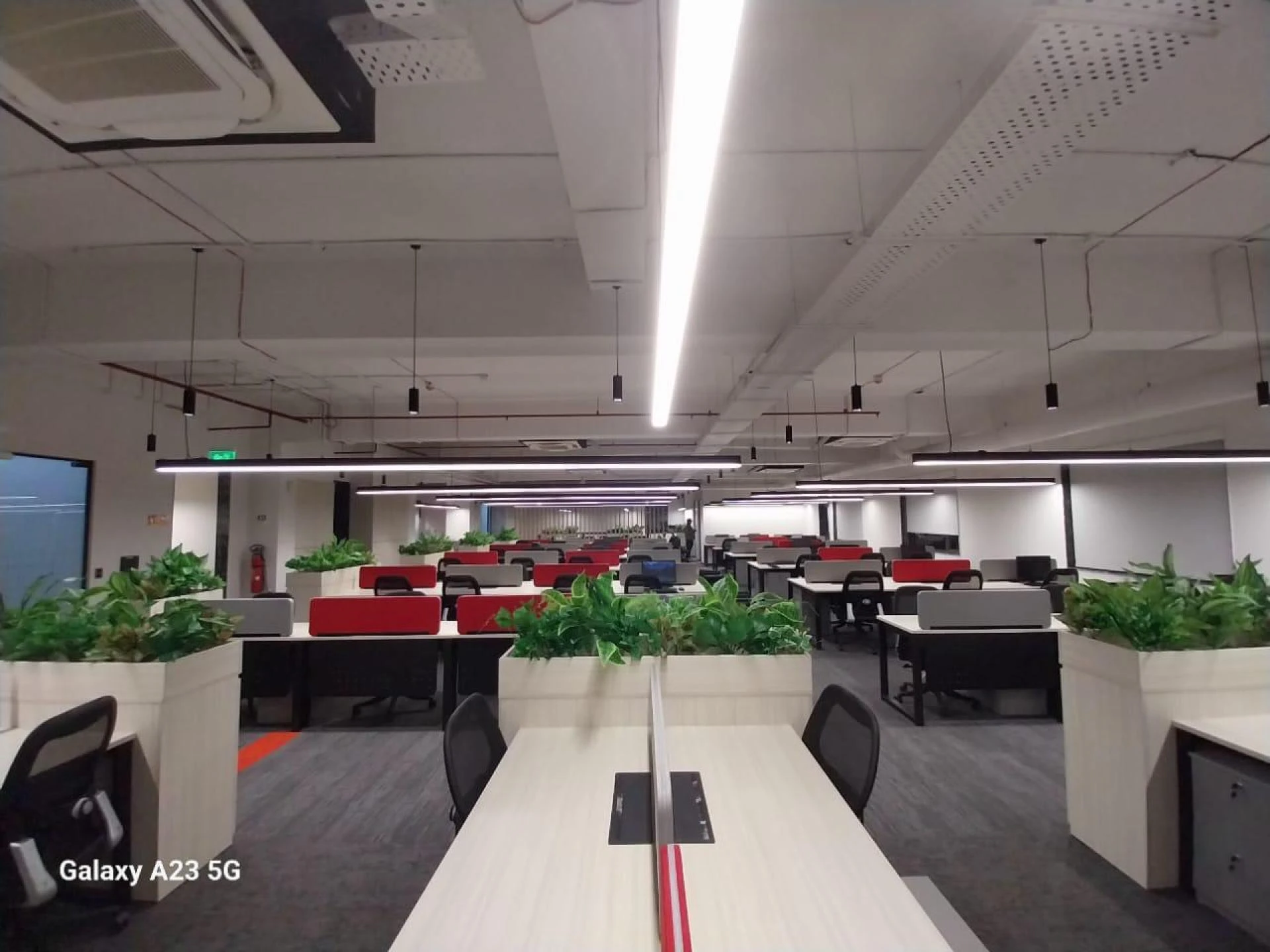
Designing a small office on a tight budget is not just about saving money—it’s about making smart, strategic choices that improve productivity, comfort, and visual appeal without overspending. Whether you're a startup founder, freelancer, or small business owner, optimizing a compact workspace can significantly impact your team’s efficiency and client perception.
As someone with deep experience in workspace planning and design strategy, I can confidently say that a well-designed small office doesn’t require a massive budget—just thoughtful execution. Let’s explore 10 practical, low-cost office interior design ideas that truly maximize space.
1. Use Multi-Functional Furniture
When space is limited, every piece of furniture should serve more than one purpose. Think desks with built-in storage, foldable tables, or seating with hidden compartments.
For example, a workstation that includes drawers and cable management reduces the need for additional storage units. This not only saves money but also keeps your office clutter-free.
2. Go Vertical with Storage
Instead of spreading out, build up. Vertical storage solutions like wall-mounted shelves, hanging organizers, and tall cabinets help utilize unused wall space.
This approach is commonly recommended by any experienced Office Interior Designer in Noida because it keeps the floor area open while still offering ample storage.
3. Choose Light Colors for Walls and Furniture
Color psychology plays a crucial role in space perception. Light shades like white, beige, or pastel tones reflect more light and make the office look larger and more open.
Dark colors may look stylish but can make small spaces feel cramped. If you still want contrast, use darker tones for accents rather than entire walls.
4. Optimize Natural Lighting
Good lighting can completely transform a small office. Natural light, in particular, makes spaces feel bigger and more welcoming.
Avoid blocking windows with heavy furniture or dark curtains. Instead, use sheer blinds or keep windows open. If natural light is limited, invest in LED lighting that mimics daylight.
5. Declutter and Adopt Minimalism
A cluttered office instantly feels smaller and more chaotic. Minimalism is not just a trend—it’s a necessity for small spaces.
· Keep only essential items on desks
· Use digital storage instead of paper files
· Regularly clean and organize workstations
A clean workspace improves focus and gives a professional impression to clients.
6. Use Glass Partitions Instead of Solid Walls
If your office requires separate sections, avoid heavy walls. Glass partitions are a cost-effective alternative that maintains openness while providing functional separation.
They allow light to pass through and create the illusion of a larger space—something frequently implemented by professionals working as an Office Interior Designer in Faridabad for compact offices.
7. Invest in Smart Layout Planning
Even the best furniture won’t help if your layout is inefficient. Before buying anything, plan your office layout carefully.
Consider:
· Movement flow
· Desk positioning
· Accessibility of storage
Open layouts often work best for small offices, as they eliminate unnecessary barriers and improve collaboration.
8. Add Mirrors to Create Illusion of Space
Mirrors are a classic trick used in interior design to make spaces appear larger than they are. Placing a large mirror on one wall can visually double the perceived size of your office.
It’s a simple, low-cost hack with a big impact—especially useful for offices with limited natural light.
9. Use Modular and Flexible Furniture
Modular furniture allows you to rearrange your office as needed. This flexibility is crucial for growing businesses where team size or requirements may change.
Examples include:
· Stackable chairs
· Movable desks
· Foldable meeting tables
This approach ensures your office adapts without requiring constant reinvestment.
10. Add Green Elements for Freshness
Plants are an inexpensive way to enhance office interiors. They not only improve air quality but also create a calming environment.
Small indoor plants like snake plants, pothos, or succulents require minimal maintenance and can be placed on desks or shelves.
Common Questions People Ask
How can I design a small office with a very low budget?
Start by prioritizing essentials—functional furniture, lighting, and storage. Avoid unnecessary décor and focus on space-saving solutions like vertical storage and multi-purpose furniture.
What is the best layout for a small office?
An open layout with minimal partitions works best. It improves movement, communication, and makes the office look spacious.
How do I make my office look professional on a budget?
Consistency in color, cleanliness, proper lighting, and organized workstations create a professional look without spending much.
Expert Insight: Why Budget Design Needs Strategy
Many people assume that low-budget design means compromising on quality—but that’s not true. The key lies in planning and prioritization.
Professionals in the field focus on:
· Space utilization over decoration
· Functionality over luxury
· Long-term usability over short-term trends
This mindset ensures your office remains efficient and scalable as your business grows.
Final Thoughts
Designing a small office on a budget is entirely achievable with the right approach. By focusing on smart furniture choices, efficient layouts, and minimalistic design principles, you can create a workspace that feels open, functional, and professional.
Remember, it’s not about how much you spend—it’s about how wisely you use your resources.