
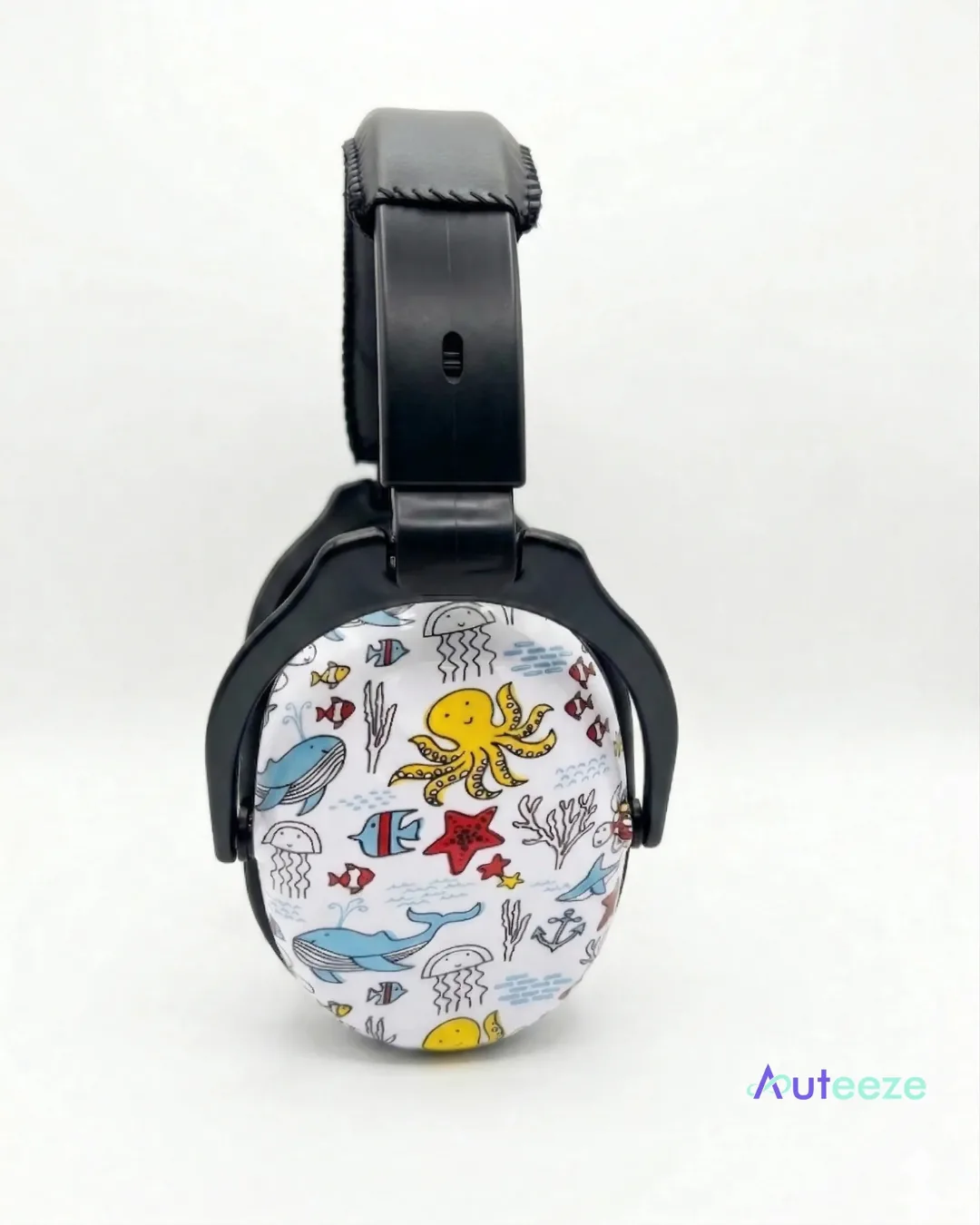
Loud, unpredictable environments are a part of everyday life, but for many children, that noise can feel overwhelming rather than just background sound. Kids noise cancelling headphones are often associated with autism or sensory processing needs, but the truth is, they're useful for almost any child who finds certain sounds too much to handle.
Below are ten everyday situations where noise cancelling headphones can genuinely help, along with why sound sensitivity happens and how sensory tools, like weighted blankets for kids, can work alongside them for a calmer daily routine.
Why Do Loud Environments Overwhelm Some Children?
Before getting into specific situations, it helps to understand why noise affects children differently. Some children process sound more intensely than others, meaning ordinary noises like a vacuum cleaner or a crowded room can feel far louder and more distressing than they would to an adult. This heightened sensitivity is common in children with autism, ADHD, or general sensory sensitivities, but it can affect any child during overstimulating moments.
1. School Assemblies
Large gatherings with echoing microphones, clapping, and shifting crowd noise can be genuinely distressing for sound-sensitive kids. Headphones allow a child to still participate while reducing the intensity of the noise around them.
2. Fireworks Displays
Sudden, loud bangs are one of the most common triggers for sensory overload in children. Noise-canceling headphones soften the sharp impact of fireworks, making celebrations like New Year's Eve or cultural festivals far more enjoyable for the whole family.
3. Birthday Parties
Between music, group singing, and excited chatter, birthday parties are a sensory minefield for some kids. Headphones let children stay involved in the celebration without feeling forced to "push through" discomfort.
4. Plane Travel
Engine noise, cabin pressure changes, and crying passengers can make flights especially hard for sensitive children. Headphones are one of the simplest tools for making air travel more manageable for the entire family.
5. Concerts and Live Music Events
Live music venues often combine loud volume with unpredictable crowd noise. Headphones help reduce the intensity while still allowing children to enjoy the experience with their family.
6. Vacuum Cleaners and Household Appliances
It's easy to underestimate how disruptive everyday household noises can be. Vacuum cleaners, blenders, and hairdryers produce a steady, high-pitched sound that some children find intolerable. Headphones make simple household routines less stressful for kids who are home during chores.
7. Sports Events
Cheering crowds, whistles, and loudspeaker announcements make sports events exciting for some children and exhausting for others. Noise-canceling headphones allow kids to attend games and matches comfortably alongside family or friends.
8. Shopping Centres and Supermarkets
Bright lighting, background music, trolley noise, and general crowd chatter can add up quickly. Headphones help reduce one major layer of sensory input, making everyday errands smoother for both parent and child.
9. Car Rides and Road Trips
Engine noise, traffic, and sibling chatter can turn a car trip into a stressful experience for a sound-sensitive child. Headphones offer a simple way to create a calmer, more predictable environment during travel.
10. Thunderstorms
Sudden thunderclaps are unpredictable by nature, which makes them especially distressing for children who struggle with sensory regulation. Headphones can soften the sharp edges of storm noise, helping children feel more secure indoors.
How Sensory Tools Work Together for Everyday Comfort
Kids' noise-canceling headphones address one part of sensory regulation, sound. But many children benefit from a broader sensory toolkit that supports their nervous system in different ways throughout the day.
Pairing Headphones with a Weighted Blanket for Kids
A weighted blanket for kids uses gentle, even pressure to create a calming, grounding sensation, similar to a comforting hug. While headphones manage auditory input, a weighted blanket can help with settling down after an overstimulating outing, whether that's after a birthday party, a flight, or a loud shopping trip.
Using both tools together, headphones during the overwhelming moment and a weighted blanket during the wind-down period, gives children a more complete way to manage sensory overload across a full day.
Building a Simple Sensory Routine
- Keep headphones easily accessible for outings and unpredictable environments
- Use a weighted blanket during quiet time or right before bed to help the nervous system reset
- Look for consistency, familiar sensory tools used in the same way each time tend to work best
- Involve your child in choosing when and where they'd like to use their headphones, giving them a sense of control
Final Thoughts
Kids noise cancelling headphones aren't just for children with autism, they're a practical tool for any child who finds everyday noise overwhelming, from fireworks and flights to vacuum cleaners and birthday parties.