
In 2026, property development is expanding rapidly in rural and semi-urban areas where municipal sewer connections are not always available. As environmental regulations tighten and material prices fluctuate, understanding septic tank installation cost has become more important than ever for homeowners, developers, and commercial property managers.
A septic system is not just a plumbing component it is long-term infrastructure. Poor planning can result in unexpected expenses, compliance issues, and performance failures. Whether you’re building a new property or replacing an outdated system, knowing what drives pricing helps you make informed, strategic decisions instead of reacting to surprises.
Key Takeaways
- What truly determines septic tank installation cost in 2026
- How soil, property size, and regulations impact pricing
- Ways institutions and organizations can plan efficiently
- Common mistakes that increase long-term expenses
- How to choose the right installation partner
1. Type of Septic System You Choose
The type of septic system installed is the largest pricing factor.
Conventional gravity systems are typically more affordable and suitable for properties with ideal soil drainage. However, if soil conditions are poor, advanced systems such as aerobic treatment units or mound systems may be required.
More advanced systems increase upfront septic tank installation cost but often provide better environmental compliance and long-term performance.
2. Tank Size and Household Demand
Septic tank size depends on property occupancy and wastewater usage.
A small household may require a standard tank, while larger homes or commercial properties need higher-capacity systems. Educational institutions, healthcare facilities, and hospitality businesses must carefully calculate usage volumes before installation.
Undersizing a tank leads to overload and early failure, while oversizing increases unnecessary costs.
3. Soil Testing and Percolation Rates
Before installation, a percolation (perk) test measures how quickly soil absorbs wastewater.
If soil drains slowly, the system design must compensate with larger drain fields or alternative treatment systems. This increases excavation, piping, and engineering costs.
Soil quality is one of the most unpredictable variables affecting septic tank installation cost.
4. Site Accessibility and Terrain
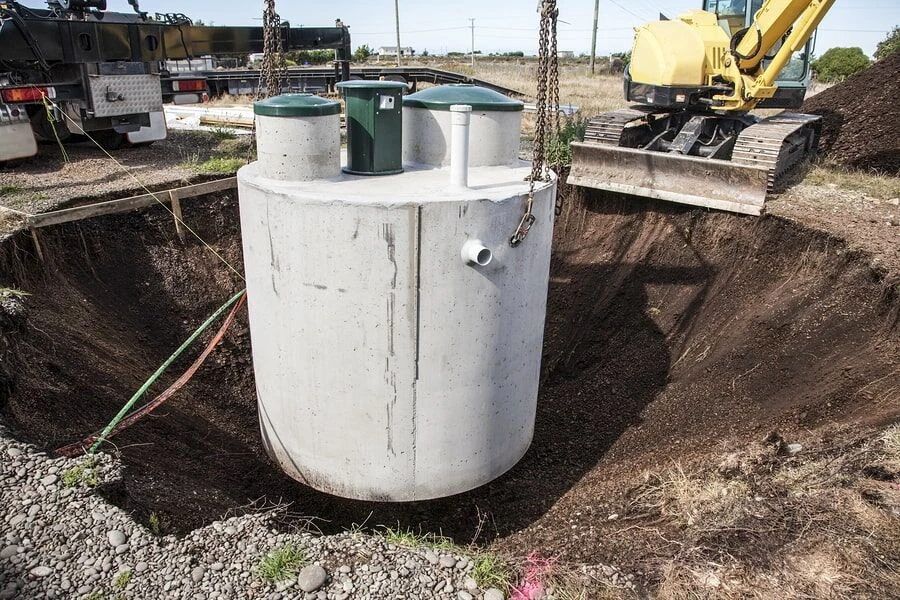
Installation requires excavation equipment.
Properties with easy access reduce labor time and machinery adjustments. Sloped land, rocky terrain, or restricted access areas increase project complexity.
Difficult terrain not only adds cost but also requires experienced operators to prevent structural issues.
5. Drain Field Design Requirements
The drain field is just as important as the tank itself.
It disperses treated wastewater safely into the soil. Larger drain fields require more piping, gravel, and land area. Improper drain field design can result in system failure or issues like a blocked drain pipe affecting system flow.
Professional design ensures long-term efficiency and compliance.
6. Local Regulations and Permit Costs
Regulatory compliance is stricter in 2026.
Permits, inspections, environmental reviews, and engineering approvals vary by location. Some regions require advanced wastewater treatment standards, increasing overall costs.
While these regulations add to septic tank installation cost, they protect groundwater and public health.
7. Material Selection (Concrete vs Fiberglass vs Plastic)
Material choice influences durability and transportation expenses.
Concrete tanks are heavy but extremely durable. Fiberglass and plastic tanks are lightweight and easier to install but may vary in lifespan.
Choosing the right material balances upfront expense with long-term maintenance savings.
8. Labor and Contractor Expertise
Labor rates differ depending on region and contractor experience.
Choosing the cheapest installer can lead to improper grading, weak sealing, or drainage imbalance. Skilled professionals reduce risk and ensure proper system alignment.
Investing in expertise often prevents costly corrections later.
9. Long-Term Maintenance Planning
Installation is just the beginning.
Institutions and property managers should consider maintenance accessibility during planning. Systems designed for easy pumping and inspection reduce operational disruptions.
Preventive planning protects your investment and reduces emergency repairs.
10. Future Expansion and Scalability
Forward-thinking property owners consider future growth.
If you plan to expand the building, increase occupancy, or convert residential space into commercial use, the septic system should accommodate future demand.
Upgrading later is significantly more expensive than planning correctly from the start.
Best Practices for Organizations and Institutions
Schools, healthcare centers, and commercial facilities should adopt structured wastewater management strategies.
- Conduct detailed site assessments before budgeting.
- Work with certified engineers for compliance assurance.
- Allocate funds for long-term servicing.
- Maintain accurate inspection records.
- Educate staff about responsible waste disposal.
Proactive planning ensures operational continuity and regulatory compliance.
Why Smart Planning Saves Money
Many property owners focus only on upfront numbers.
However, septic tank installation cost should be viewed as a long-term infrastructure investment. Cutting corners during installation often results in premature system failure, groundwater contamination, or expensive excavation repairs.
Strategic budgeting, professional installation, and proper material selection create durable, efficient wastewater systems that perform reliably for decades.
Take the Next Step Toward a Reliable Wastewater Solution
A properly installed septic system protects property value, environmental health, and operational stability.
Understanding what influences septic tank installation cost empowers property owners to plan strategically rather than react to emergencies. Whether residential or commercial, thoughtful design and expert implementation make the difference between short-term savings and long-term success.
Many property developers and institutions rely on experienced providers like Precise Drainage Solutions for their commitment to quality workmanship, regulatory expertise, and forward-thinking wastewater solutions built for modern infrastructure demands.
 Frequently Asked Questions
1. What is the average septic tank installation cost in 2026?
Costs vary based on soil type, system design, and location. Residential systems are generally more affordable than commercial installations, but advanced treatment systems increase pricing.
2. How long does septic tank installation take?
Most residential installations take 2–5 days, depending on excavation conditions and inspection schedules.
3. Does poor soil increase installation expenses?
Yes. Poor drainage soil requires alternative system designs and larger drain fields, which significantly raise costs.
4. Can I reduce septic installation costs legally?
Yes. Early soil testing, proper planning, and hiring experienced contractors prevent design changes and rework expenses.
5. How long does a septic system last?
With proper installation and maintenance, systems can last 20–40 years or more.
6. What happens if installation is done incorrectly?
Improper grading, weak tank placement, or drainage imbalance can lead to backups, environmental damage, and structural repair costs.