



In today's world, security isn't just a luxury—it's a necessity. Whether protecting a home, business, or public space, installing CCTV cameras has become an essential move in securing both property and peace of mind. But with so many surveillance options available, a common dilemma arises: wired or wireless CCTV camera installation—which setup is the better fit?
This question doesn't come with a one-size-fits-all answer. Both systems offer distinct benefits and drawbacks, depending on the user's needs, budget, and the complexity of the environment. While some may value reliability and stable connections, others prioritize convenience and flexibility. This article explores the key differences between wired and wireless CCTV installations, helping readers make an informed decision that best suits their surveillance needs.
Understanding Wired CCTV Camera Installation
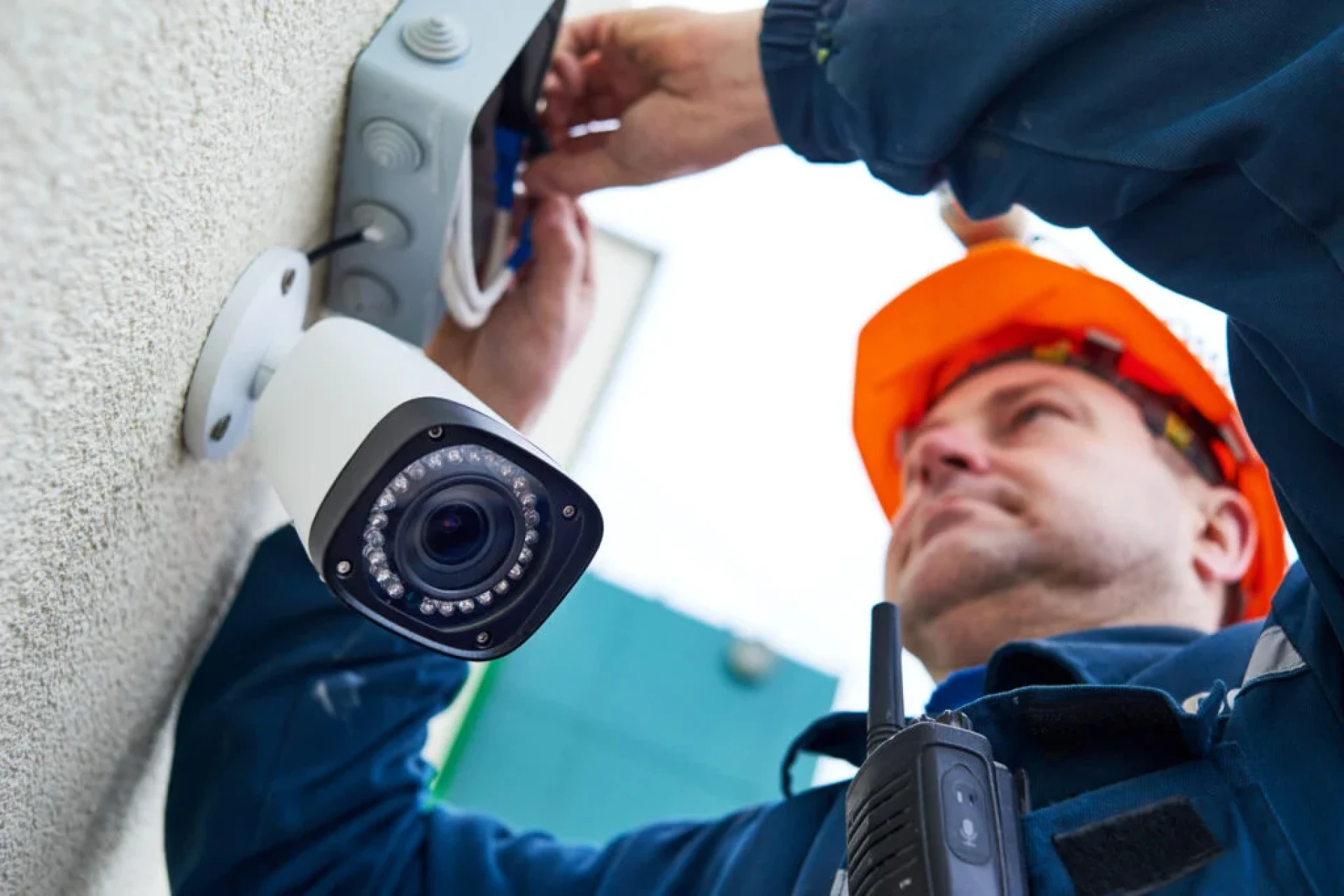
Wired CCTV systems have long been the go-to solution for serious surveillance setups. These systems use physical cables to connect the cameras to recording devices like DVRs (Digital Video Recorders) or NVRs (Network Video Recorders). They often require professional installation due to the complexity of routing wires through walls, ceilings, or underground.
Key Benefits of Wired Systems:
- Reliable Signal Transmission: Since signals travel through cables, interference is minimal, ensuring stable video quality.
- Consistent Power Supply: Wired cameras are usually powered directly through the same cable (PoE – Power over Ethernet) or via separate power adapters, eliminating battery concerns.
- High-Quality Video: Many wired systems offer ultra-HD footage with minimal latency.
Drawbacks to Consider:
- Installation Complexity: Setting up a wired system may require drilling, cabling, and careful planning.
- Limited Flexibility: Once installed, repositioning cameras is not simple.
- Not Ideal for Renters: For those in rental properties, wired systems may not be a practical option due to their semi-permanent nature.
This installation type is typically favored for long-term setups in large areas like office buildings, warehouses, or residential compounds where reliability is paramount.
Exploring Wireless CCTV Camera Installation
Wireless CCTV systems have gained popularity for their ease of installation and modern tech features. These cameras transmit video signals over Wi-Fi or other wireless networks to a central hub, such as a smartphone app, cloud storage, or NVR.
Why Choose Wireless Systems:
- Easy Installation: No need for extensive cabling or wall drilling. Ideal for quick setups.
- Flexible Placement: Cameras can be moved or relocated without hassle.
- Remote Monitoring: Many wireless systems offer app-based access, allowing real-time viewing from anywhere.
Challenges of Wireless CCTV:
- Signal Interference: Wi-Fi signals can be disrupted by walls, devices, or long distances, affecting performance.
- Power Dependency: Most wireless cameras still require a power source unless battery-operated, which brings maintenance concerns.
- Bandwidth Usage: Continuous video streaming can strain home or office networks.
Wireless systems are often the preferred choice for small to medium-sized properties or users who value simplicity and remote access features over ultra-stable connections.
Cost Comparison: Wired vs Wireless CCTV Camera Installation
Budget is a crucial factor when choosing between wired and wireless systems. Here's how the two stack up:
- Initial Investment: Wireless systems may appear cheaper due to DIY potential and fewer accessories. However, higher-end wireless models can match or exceed the cost of basic wired systems.
- Installation Costs: Wired systems often require professional installation, adding to upfront expenses. Wireless setups can often be installed without expert help.
- Maintenance: Wired systems tend to be lower-maintenance in the long run, while wireless units may need frequent attention, particularly with battery changes or software updates.
Overall, wireless systems offer short-term savings and convenience, while wired systems might provide more long-term value and lower upkeep costs.
Performance and Reliability
Performance is a deal-breaker for many users. Wired systems usually outperform wireless alternatives in terms of video clarity, frame rate, and transmission reliability. Because they aren't reliant on fluctuating internet signals, they’re better suited for mission-critical applications.
Wireless systems, while advanced, can suffer from lag, especially in areas with congested Wi-Fi networks. However, newer models use frequency hopping and encrypted connections to improve reliability, making them more competitive than ever before.
Still, for 24/7 surveillance where no footage can be missed—like in banks or high-security zones—wired installations remain the gold standard.
Scalability and Future Expansion
One of the hidden benefits of choosing the right CCTV installation is how well it can grow with changing needs.
- Wired Systems: Expanding a wired network can be cumbersome and may require running additional cables through existing infrastructure. However, they support more devices simultaneously without signal degradation.
- Wireless Systems: Easier to scale. Most systems allow adding cameras through an app interface, and modern mesh Wi-Fi setups can support dozens of cameras seamlessly.
Wireless systems win in terms of scalability for dynamic environments like retail stores or evolving residential layouts.
Security and Vulnerability Risks
Security systems, ironically, can become targets themselves. Understanding each system's vulnerabilities is crucial.
- Wired CCTV Security: Less prone to hacking due to their closed-circuit nature. Physical access is required to interfere with data transmission.
- Wireless CCTV Security: Susceptible to hacking if not properly secured. Weak passwords, outdated firmware, or unencrypted connections can expose footage to unauthorized viewers.
Implementing strong cybersecurity practices is essential for any wireless system, including firewalls, encrypted storage, and two-factor authentication.
Ease of Use and Maintenance
Ease of use isn't just about setting up; it's also about day-to-day operation and long-term maintenance.
- Wired Systems: Set it and forget it—once installed, they rarely need attention. However, troubleshooting issues like damaged cables can be more involved.
- Wireless Systems: Offer smart integrations with voice assistants, mobile alerts, and easy user interfaces. On the downside, users must regularly update firmware, monitor battery levels, and manage storage capacity.
For tech-savvy individuals, wireless systems can be a joy to use. Others may prefer the "fire and forget" nature of a wired system.
Environmental Suitability
Where a CCTV system will be used plays a major role in which type to install.
- Outdoor Installations: Wired systems often handle extreme weather better. Their solid construction and stable power make them ideal for fixed outdoor monitoring.
- Indoor or Temporary Installations: Wireless cameras are easy to relocate, making them perfect for indoor use or temporary events.
Consider climate, interference sources, and distance from routers or power sources when making a choice.
When to Choose Wired CCTV Camera Installation
Opt for a wired system when:
- Long-term reliability is essential
- The installation location is permanent
- Signal interference is a concern
- Higher camera counts are needed
- Video quality cannot be compromised
These systems excel in commercial buildings, large homes, and outdoor environments requiring maximum durability and performance.
When to Choose Wireless CCTV Camera Installation
Choose a wireless setup if:
- Quick installation is needed
- The environment is rental or temporary
- Cameras may need to be moved frequently
- Remote access and smart features are priorities
- Budget constraints limit professional installation
Wireless options work best for small businesses, apartments, and DIY security enthusiasts.
CCTV Camera Installation: What to Consider Before Making a Choice
Before jumping into installation, evaluate:
- Internet Reliability: Especially important for wireless systems.
- Power Source Availability: Can power outlets or Ethernet connections reach intended camera spots?
- Property Size and Layout: More area might demand the stability of wired systems.
- Future Needs: Will the system need expansion in 6–12 months?
- Security Sensitivity: For critical areas, wired setups offer stronger protection.
These considerations can make the difference between a satisfying experience and ongoing frustration.
Conclusion
Choosing between wired and wireless CCTV camera installation isn’t just about tech specs—it’s about finding a system that aligns with real-world needs, budgets, and environments. Wired systems bring the strength of stability, crystal-clear video, and dependable performance, making them ideal for permanent installations. On the other hand, wireless systems shine in flexibility, ease of use, and modern remote features—perfect for those who value convenience and adaptability.
Ultimately, there's no wrong choice—only the right choice for a specific scenario. The best investment is one that delivers peace of mind, uninterrupted security, and confidence in day-to-day safety.
FAQs
1. Can wireless CCTV cameras work without internet?
Yes, some wireless cameras can record to local SD cards or NVRs without internet. However, features like remote viewing or cloud storage require a stable internet connection.
2. Is wired CCTV better for large properties?
Wired CCTV is often more suitable for large properties due to stronger signals, more reliable transmission, and the ability to handle more cameras without lag.
3. Do wireless CCTV cameras have poor night vision?
Not necessarily. Many modern wireless cameras come with advanced infrared night vision or color night modes. Quality depends on the model, not the type of connection.
4. What is the average lifespan of wired CCTV systems?
With proper maintenance, wired CCTV systems can last 5–10 years or more. Cables and connectors may need replacement sooner depending on environmental conditions.
5. Can wired systems be hacked?
Wired systems are harder to hack compared to wireless ones, especially if they operate on a closed network. However, NVRs connected to the internet still need cybersecurity precautions.