


Introduction
In Tanzania, access to clean water is a priority for both households and industries. While rainwater harvesting has become a popular and sustainable solution, it’s not always enough to guarantee safe and high-quality water. This is where Reverse Osmosis Systems in Tanzania come into play. Even if you rely on rainwater, these systems can ensure your water is free from hidden contaminants that might otherwise go unnoticed.
Rainwater: Good, But Not Perfect
Many people assume rainwater is naturally pure because it falls from the sky. However, by the time it reaches your storage tank, it may have picked up dust, bird droppings, industrial pollutants, and bacteria. Without proper treatment, this can lead to unpleasant taste, health issues, or even equipment damage in industries.
Rainwater can be an excellent resource, but it’s best viewed as a starting point, not the final solution.
The Extra Protection Reverse Osmosis Provides
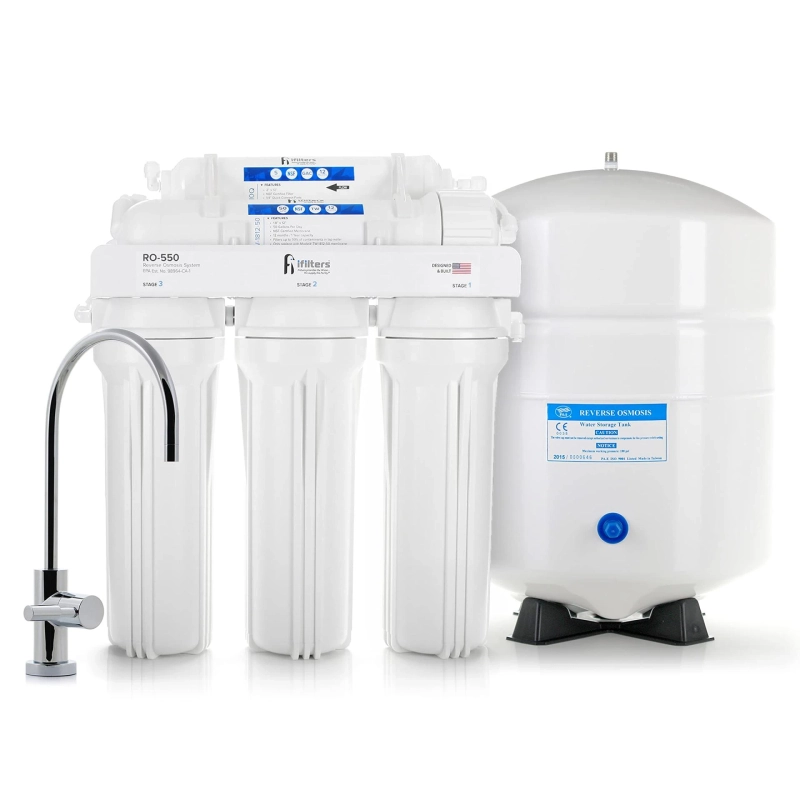
Reverse osmosis (RO) works by pushing water through a semi-permeable membrane, trapping dissolved salts, heavy metals, bacteria, and other impurities. For homes, this means safer drinking water. For businesses—especially in food processing, manufacturing, and healthcare—it ensures consistent water quality that meets regulatory standards.
RO systems provide a final purification step, giving you confidence that your water is clean no matter the source.
Why Relying on Rainwater Alone Can Be Risky
Relying solely on rainwater storage systems can lead to problems, especially during dry seasons. Water stored for long periods is also more prone to microbial growth. While filtration can help, it doesn’t always remove dissolved chemicals or fine particles.
Adding RO as part of your water treatment process ensures your supply remains safe year-round and maintains the same quality regardless of storage conditions.
Also Read : Navigating Tanzania's Energy Landscape: Challenges and Breakthroughs
Cost vs. Benefit: The Long-Term View
Some hesitate to install RO systems due to the upfront cost. However, the long-term benefits outweigh the investment. Cleaner water means fewer maintenance issues for equipment, reduced health risks, and compliance with water quality standards. Over time, this translates into lower operational costs and greater peace of mind.
Conclusion
Rainwater harvesting is an excellent sustainable practice, but it shouldn’t be your only line of defense when it comes to clean water. Adding reverse osmosis ensures your supply meets the highest safety standards, whether for home use or industrial processes.
For reliable solutions tailored to Tanzania’s unique water challenges, Tamgo Tanzania Limited offers systems that combine efficiency with long-term value. Don’t settle for “good enough” water—invest in water quality that you can trust.