


Tanzania, a nation rich in natural resources and vibrant culture, stands at a pivotal moment in its development. Central to its progress is the availability of reliable and sustainable power. The journey to universal energy access is complex, but the ongoing efforts to implement robust Energy solutions in Tanzania are steadily transforming the nation's potential into tangible progress. This article delves into the intricacies of Tanzania's energy sector, exploring the hurdles it faces and the innovative strides being made to overcome them.
The Current State of Energy Access
For many years, a significant portion of Tanzania's population, particularly in rural areas, has lacked consistent access to electricity. This energy deficit impacts everything from education and healthcare to economic productivity. Traditional energy sources, such as biomass, continue to play a dominant role, but their environmental and health implications underscore the urgent need for cleaner alternatives. The government has set ambitious targets to expand electrification, recognizing that energy is a fundamental enabler of socio-economic growth.
Bridging the Rural-Urban Divide
The disparity in energy access between urban and rural areas is a critical challenge. While major cities often benefit from grid connectivity, remote villages frequently rely on rudimentary and often expensive off-grid solutions. Bridging this gap requires a multifaceted approach, combining grid extension with decentralized renewable energy systems.
Key Challenges in Energy Development
Developing a robust and equitable energy infrastructure in a country as vast and diverse as Tanzania presents several significant challenges.
Infrastructure Limitations
One of the primary hurdles is the existing infrastructure. An aging grid, limited transmission lines, and insufficient distribution networks hinder the efficient delivery of power, even when it is generated. Expanding and modernizing this infrastructure demands substantial investment and technical expertise.
Financial Constraints and Investment
Securing adequate funding for large-scale energy projects is another persistent challenge. While international partners and private investors are increasingly interested, the capital requirements for new power plants, transmission lines, and renewable energy installations are immense. Creating an attractive and stable investment climate is crucial for drawing in the necessary funds.
Policy and Regulatory Frameworks
Developing clear, consistent, and supportive policy and regulatory frameworks is essential for fostering growth in the energy sector. Navigating the complexities of land acquisition, environmental impact assessments, and licensing can sometimes slow down project implementation. Streamlining these processes while ensuring sustainability remains a key focus.
Embracing Renewable Energy Sources
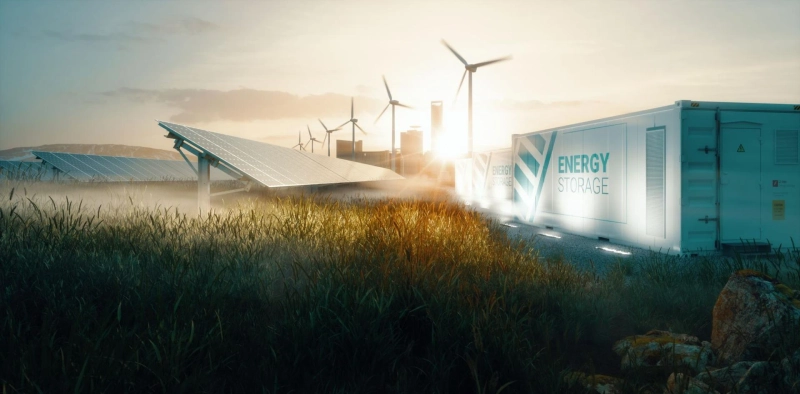
Despite the challenges, Tanzania is making remarkable progress, particularly in leveraging its abundant renewable energy resources. The nation is blessed with significant potential in solar, wind, geothermal, and hydropower.
Hydropower Dominance and Future Potential
Hydropower has historically been a cornerstone of Tanzania's energy mix, with major projects like the Julius Nyerere Hydropower Project poised to significantly boost generation capacity. However, reliance on hydropower can make the energy supply vulnerable to climate-induced droughts, emphasizing the need for diversification.
The Rise of Solar and Geothermal
Solar energy is rapidly gaining traction, especially for off-grid solutions in remote areas. The declining cost of solar technology makes it an increasingly viable option for households, businesses, and public services. Geothermal energy also holds immense promise, particularly in the Rift Valley region, offering a stable and continuous power source. These diverse energy solutions are vital for a resilient and sustainable future.
Also Read : Safeguarding Your Brand: The Essential Role of Water Quality in F&B
Policy and Investment Driving Progress
The Tanzanian government has demonstrated a strong commitment to transforming the energy sector through strategic policies and initiatives. Efforts to create a more conducive environment for private sector participation, coupled with international partnerships, are accelerating the pace of development. Public-private partnerships are becoming increasingly common, pooling resources and expertise to tackle complex projects.
Conclusion
Tanzania's journey towards comprehensive energy access is a testament to its determination and strategic vision. While significant challenges remain, the nation's proactive embrace of renewable energy, coupled with ongoing infrastructure development and supportive policies, paints a promising picture. Companies like Tamgo Tanzania Limited are playing a vital role in this transformative period, contributing to the development and implementation of sustainable energy solutions across the country. The path ahead requires continued collaboration, innovation, and investment, but the momentum is clear: Tanzania is steadily illuminating its future.