


When shopping for solar panels for home, many homeowners face a key choice between monocrystalline (mono) and polycrystalline (poly) types, each with different solar panel price points. This comparison breaks down their costs, strengths, and fit for various budgets, helping you pick the right option without guesswork. Whether you have a small rooftop or larger space, understanding these differences makes investing in solar panels straight forward and rewarding.
What makes Mono and Poly Panels Different
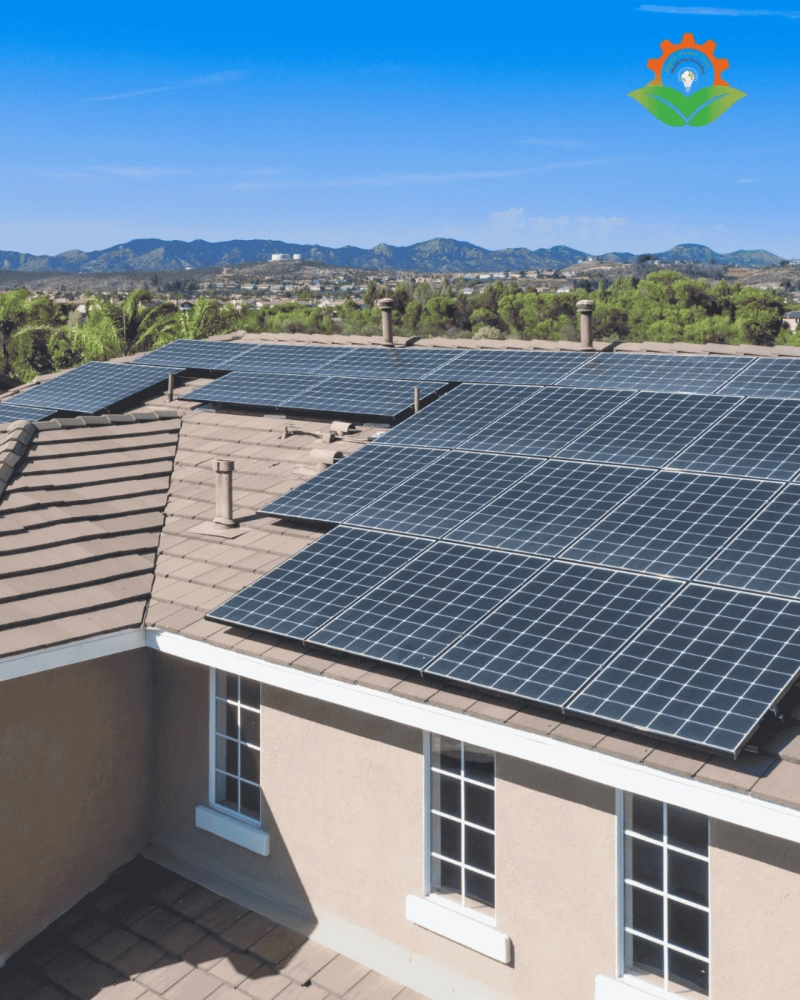
Mono panels have a sleek black appearance and pull more power from the same amount of roof space. They shine in compact urban homes where every square foot counts, like apartments in Ghaziabad. Poly panels show a blue tint and cover more area for similar output, suiting bigger roofs in suburbs or villages.
Both types capture sunlight to create electricity for daily use—fans, lights, fridges, even ACs. Mono edges out in low-light conditions, like cloudy days common in North India, while poly holds steady in blazing heat. For solar panels for home, the choice boils down to your space and solar panel price comfort.
Homeowners often start with mono for efficiency or poly for savings, both backed by 25-year promises from quality makers.
Upfront Solar Panel Price Breakdown
Solar panel price varies clearly between the two. Mono setups cost more initially at ₹35-45 per watt because of their compact power. A 3kW system for a family home runs ₹1.2-1.6 lakhs before discounts, ideal if roof space limits you.
Poly panels come in friendlier at ₹25-35 per watt, making a similar 3kW solar panels for home package ₹90,000-1.2 lakhs. This gap appeals to budget buyers, with poly covering essentials without stretching finances. Add common extras like wiring and setup (₹20,000-40,000), and totals stay manageable.
Government aids like PM Surya Ghar trim 30% off both, leveling the field. Mono's higher tag pays quicker in tight spaces; poly wins for larger areas with steady sun.
Long-Term Savings and Payback Time
Beyond upfront solar panel price, think years ahead. Mono generates 15-20% more yearly, cutting bills faster—payback in 4-5 years for many. A ₹1.5 lakh mono setup saves ₹8,000-12,000 monthly, covering costs amid rising grid rates.
Poly takes 5-6 years to break even but shines for value, especially on spacious roofs soaking 5+ sun hours daily. Solar panels for home with poly often match mono savings long-term, as lower price means less to recover. Both cut emissions, cool homes under roofs, and boost property appeal.
Real families report 70-90% bill drops, funding extras like vacations. Choose based on usage: heavy appliances favor mono; basics suit poly perfectly.
Best Fits for Different Home Types
Urban apartments love mono solar panels for home—their space-saving design fits balconies or small terraces without hassle. In hot, dusty Delhi-NCR, they resist shading from nearby buildings better.
Suburban or rural homes with open roofs pick poly for lower solar panel price and ample area. A 2BHK might thrive on 2-3kW poly at ₹60,000, powering evenings reliably. Mono suits AC-heavy villas; poly handles fans and lights affordably.
Installation stays simple for both—2-3 days by pros like Sigma Power Tech, with south-facing tilts maximizing output. Dust rinses keep either humming through monsoons.
Making the Right Choice for You
Compare your roof, bills, and sun exposure first. Small space or high use? Go mono despite solar panel price. Big roof on budget? Poly delivers without compromise for solar panels for home.
Get 3-4 quotes, verify warranties, claim subsidies early. Trusted installers bundle smartly, ensuring smooth net metering for credits.
Mono or poly, solar panels bring freedom from bills and blackouts. With falling prices, 2025 is perfect—your home's energy future starts now.