


In the dynamic world of food and beverage (F&B) production, consumers increasingly demand not only delicious products but also those that are safe, consistent, and ethically produced. While ingredients, manufacturing processes, and packaging all play critical roles, one often underestimated cornerstone of brand integrity is the quality of water used throughout the entire operation. Water, a seemingly ubiquitous substance, is, in fact, a crucial raw material, a cleaning agent, and a critical component in almost every F&B process. Its purity directly impacts product quality, operational efficiency, and, ultimately, a brand's reputation and consumer trust.
The Unseen Impact of Water on Product Integrity
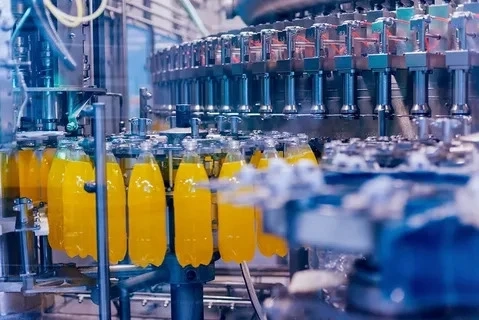
The journey of water in an F&B facility is extensive, touching everything from initial ingredient washing to final product formulation and equipment sanitation. If the water supply contains impurities – be they dissolved minerals, suspended solids, microorganisms, or chemical contaminants – the consequences can be far-reaching and detrimental. For instance, mineral imbalances can alter the taste, aroma, and even appearance of beverages, leading to inconsistencies that erode consumer loyalty. In food processing, contaminated water can introduce spoilage organisms, drastically reducing shelf life and posing serious health risks. Imagine a bottled water brand whose product unexpectedly develops an off-flavor due to inadequate filtration; the immediate damage to its reputation could be irreparable. Similarly, a soft drink company experiencing bacterial contamination traced back to its water source faces not only product recalls but also the severe financial and reputational fallout.
Operational Excellence and Compliance Driven by Water Purity
Beyond direct product quality, the characteristics of water profoundly influence the efficiency and longevity of F&B manufacturing equipment. Hard water, rich in minerals, can lead to scale buildup in pipes, boilers, and heat exchangers, reducing their efficiency, increasing energy consumption, and necessitating frequent, costly maintenance. Corrosive water can degrade equipment components, leading to premature failure and unscheduled downtime. Maintaining precise water quality is also paramount for effective cleaning and sanitation, which are non-negotiable in the F&B sector. Proper sanitation hinges on water that is free from contaminants, ensuring that cleaning processes are truly effective in eliminating pathogens and allergens. This comprehensive approach, encompassing all aspects of water usage, is why the Water Treatment Food and Beverage Industry is so vital for maintaining operational integrity and meeting stringent regulatory standards. Adherence to national and international food safety regulations, such as those set by HACCP or ISO 22000, often has stringent requirements for water quality, making robust water treatment an absolute necessity for compliance and market access.
Building Consumer Trust Through Transparent Quality
In an era of heightened consumer awareness, transparency and traceability are more important than ever. Consumers are increasingly scrutinizing labels and seeking brands that prioritize safety and quality. A brand that can confidently stand behind the purity of its water source, backed by rigorous testing and sophisticated treatment processes, inherently builds greater trust. This commitment to quality permeates every aspect of the brand, signaling a dedication to excellence that extends beyond just the final product. It reassures consumers that every step, from the most fundamental raw material to the finished good, is meticulously managed with their well-being in mind. This dedication to water quality is not merely a cost center; it's an investment in brand equity, a shield against potential crises, and a catalyst for sustainable growth.
Also Read : How Can Reverse Osmosis Systems in Tanzania Support Health?
Conclusion
The journey to safeguard a brand through superior water quality is continuous. It involves regular testing, adapting to new contaminants and regulatory changes, and investing in advanced water treatment technologies. From advanced filtration systems to UV disinfection and reverse osmosis, the technological solutions available today offer unparalleled control over water purity. For companies like Tamgo Tanzania Limited, understanding and implementing these sophisticated water management strategies are paramount to ensuring long-term success and maintaining a strong, untarnished brand reputation in a competitive market. Ultimately, prioritizing water quality is not just good manufacturing practice; it's a strategic imperative for brand resilience and a testament to a company's unwavering commitment to its consumers.