


Access to clean and safe drinking water is a fundamental necessity for maintaining good health. In Tanzania, where water quality can vary significantly across regions, ensuring safe water consumption remains a critical public health challenge. Reverse osmosis systems have emerged as a reliable and effective solution to this problem. This article explores how Reverse Osmosis Systems in Tanzania support health by providing clean water, reducing waterborne diseases, and improving overall well-being.
Understanding Reverse Osmosis Systems
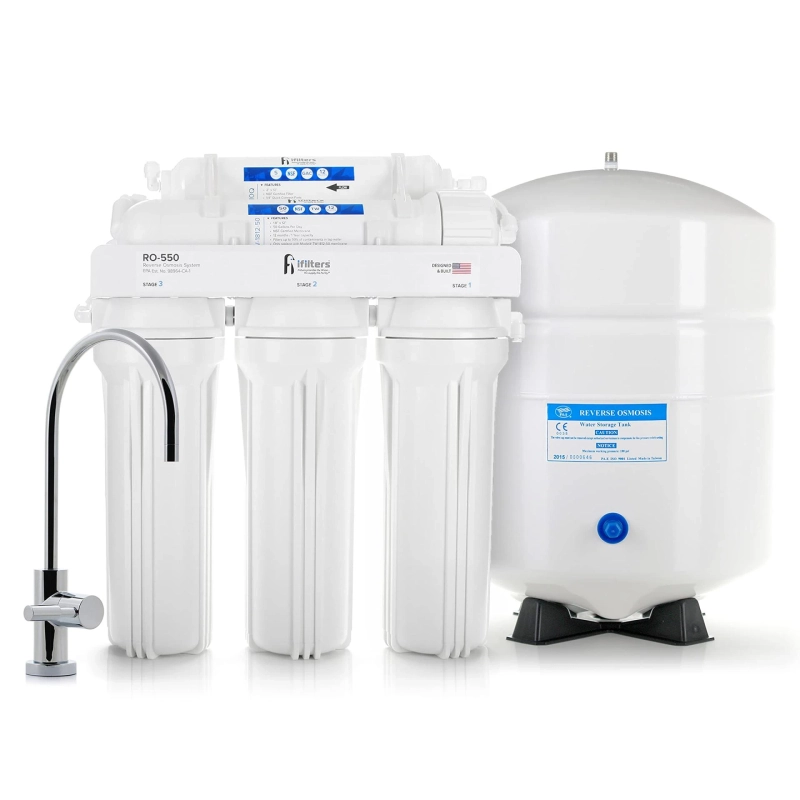
Reverse osmosis (RO) is an advanced water purification technology that removes contaminants, impurities, and harmful substances from water by forcing it through a semi-permeable membrane. This process effectively filters out bacteria, viruses, heavy metals, salts, and other pollutants, resulting in clean and safe drinking water.
Unlike traditional filtration methods, reverse osmosis offers a comprehensive purification process that ensures high-quality water. Given Tanzania's challenges with water pollution due to industrial activities, agriculture runoff, and inadequate sanitation in some areas, RO systems have become an increasingly important tool for improving public health.
The Health Benefits of Using Reverse Osmosis Systems in Tanzania
Reducing Waterborne Diseases
Waterborne diseases such as cholera, typhoid, and dysentery remain prevalent in regions with poor water quality. Consuming contaminated water is one of the primary causes of these illnesses. By eliminating pathogens and harmful microorganisms, reverse osmosis systems dramatically reduce the risk of contracting waterborne diseases.
Families using Reverse Osmosis Systems in Tanzania can experience fewer gastrointestinal infections and related health issues. Clean water supports the immune system and helps maintain overall health, especially in vulnerable populations such as children, pregnant women, and the elderly.
Removing Harmful Chemicals and Heavy Metals
Many water sources in Tanzania may contain hazardous chemicals and heavy metals such as lead, arsenic, fluoride, and pesticides. Long-term exposure to these contaminants can cause serious health problems, including neurological damage, kidney disease, and cancer.
Reverse osmosis systems are effective in removing these toxic substances, providing safer water for daily consumption. By investing in RO technology, households and institutions reduce the risk of chronic health conditions linked to chemical exposure.
Improving Nutritional Absorption and Hydration
Clean water plays a vital role in the body's ability to absorb nutrients and maintain hydration. Contaminated water can interfere with digestion and nutrient uptake, leading to malnutrition and dehydration.
Using purified water from reverse osmosis systems ensures that the body receives uncontaminated fluids, promoting better digestion and nutrient absorption. Proper hydration supports physical and cognitive functions, which are essential for a healthy lifestyle and productivity.
Practical Applications of Reverse Osmosis Systems in Tanzania
Household Use
In Tanzania, many households rely on untreated water from wells, rivers, or municipal sources that may be contaminated. Installing Reverse Osmosis Systems in Tanzania in homes ensures a continuous supply of clean and safe drinking water. This is particularly important in urban areas where industrial pollution affects water quality.
RO systems for residential use are now available in various sizes and capacities, making them accessible and affordable for many families. They provide peace of mind knowing that the water consumed by loved ones is free from harmful contaminants.
Healthcare Facilities
Hospitals and clinics require sterile and purified water to prevent infections and support medical procedures. Reverse osmosis systems are crucial in healthcare settings to ensure the availability of high-quality water for patient care, sterilization, and cleaning.
By adopting RO technology, healthcare facilities in Tanzania can improve infection control and patient outcomes. Access to purified water reduces the risk of hospital-acquired infections, contributing to safer healthcare environments.
Educational Institutions and Public Facilities
Schools and public institutions can benefit from reverse osmosis systems by providing students and staff with access to safe drinking water. This helps reduce absenteeism caused by waterborne illnesses and promotes a healthier learning environment.
Government and non-governmental organizations are increasingly supporting initiatives that install RO systems in public facilities as part of broader efforts to improve water quality and public health.
Tips for Choosing and Maintaining Reverse Osmosis Systems in Tanzania
Assess Your Water Quality
Before selecting an RO system, it is essential to understand the specific water quality issues in your area. Water testing can identify contaminants present in your water supply and guide the choice of an appropriate system tailored to those needs.
Choose a Reliable Supplier
Selecting a trusted supplier for Reverse Osmosis Systems in Tanzania is crucial to ensure you receive quality products and professional support. Reputable companies offer certified systems with proven effectiveness and provide installation and maintenance services.
Regular Maintenance and Filter Replacement
To keep RO systems functioning optimally, regular maintenance is necessary. This includes timely filter replacements, cleaning of membranes, and system inspections. Neglecting maintenance can reduce the effectiveness of the system and compromise water quality.
Educating users on proper care and servicing ensures the longevity of the system and continued access to safe water.
Also Read : Which Ultra Filtration Water Purification System Is Best for Your Needs in Tanzania?
Addressing Common Concerns about Reverse Osmosis Systems
Wastewater Production
One concern often raised is the wastewater generated during the RO process. While some water is rejected during filtration, modern systems are designed to minimize water waste and can be paired with water-saving technologies.
Users in Tanzania can adopt water-efficient RO models to balance purification needs with water conservation efforts, supporting sustainable water use.
Mineral Removal
Reverse osmosis removes both harmful contaminants and some beneficial minerals. To address this, many systems include remineralization filters that restore essential minerals to the purified water, ensuring it remains healthy and tasty.
Cost and Accessibility
Though initial investment costs may seem high, the long-term health benefits and reduction in medical expenses make RO systems a cost-effective solution. Additionally, increasing availability and competition among suppliers in Tanzania are helping to lower prices and improve accessibility.
Conclusion
Access to clean and safe drinking water is a fundamental right that significantly impacts health and well-being. Reverse Osmosis Systems in Tanzania offer an effective solution to water contamination challenges by providing purified water free from harmful pathogens, chemicals, and heavy metals. These systems support health by reducing waterborne diseases, improving hydration, and protecting against toxic exposures.
Whether for homes, healthcare facilities, or public institutions, adopting reverse osmosis technology contributes to a healthier population and enhances quality of life. Choosing the right system and maintaining it properly ensures lasting benefits and sustainable water safety.
For those seeking reliable, high-quality reverse osmosis solutions, Tamgo Tanzania Limited offers expert guidance, installation, and maintenance services tailored to your needs. Contact Tamgo Tanzania Limited today to secure safe drinking water and support your health with trusted reverse osmosis technology.