


R Panel: Benefits, Costs, and Complete Installation Guide
I’ve installed r panel on dozens of projects, from small backyard workshops to full residential re-roofs.
It’s not glamorous, but it’s tough, practical, and surprisingly versatile.
Whether you’re considering a r panel roof or siding, knowing the benefits, costs, and proper installation is key.
What Is R Panel?
R panel is a ribbed metal panel with exposed fasteners.
Its standard ribs are about 1¼ inches high and spaced roughly 12 inches apart.
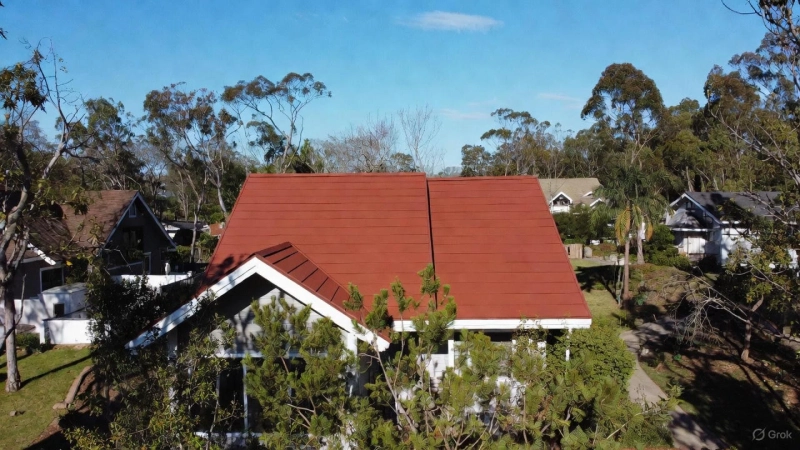
It’s commonly used for both roofing and siding, making it a flexible option for garages, barns, and even residential homes.
Benefits of R Panel
I’ve found several advantages from real-world installs:
- Durability: Lasts decades when installed correctly
- Affordable: Lower r panel price than many alternatives
- Quick Installation: Panels are wide and long, reducing seams
- Low Maintenance: Just inspect fasteners and clean debris yearly
On a workshop project I completed last year, the r panel roof still looked like new five years in.
R Panel vs PBR Panel: When to Upgrade
I often get asked about r panel vs pbr panel.
R panel is lighter-duty and needs decking or closely spaced framing.
PBR panel has a bearing leg and can span open purlins, making it ideal for larger warehouses or barns.
I’ve retrofitted small pole barns with PBR panels when the R panel started sagging. Lesson learned: span and load matter more than price.
R Panel Dimensions and Length Options
Understanding panel sizing is critical.
- Standard coverage: 36 inches wide
- Gauge: 26–29, depending on strength required
- Length: Custom-cut, often up to 40 feet
20 ft R panel prices are popular for garages and small workshops. I usually tell clients to order exact lengths to minimize waste and avoid unnecessary seams.
Cost Breakdown: R Panel Price Explained
The r panel price varies by gauge, coating, and length.
- Panels: $1.25–$3.50 per sq ft
- Trim and fasteners: $0.50–$1.00 per sq ft
- Installed: $4.50–$9.00 per sq ft
Ordering longer panels may cost more upfront but reduces seams and installation time. I’ve saved several hundred dollars this way on medium-sized shops.
Finding R Panel Near Me
Searching for r panel near me?
Local metal suppliers often have the best selection and can cut panels to your exact length.
Big box stores stock R panel too, but lengths are fixed, and colors are limited. I prefer local shops for any job over 1,000 sq ft—they save time and reduce waste.
Step-by-Step R Panel Installation Guide
Installing r panel roofing correctly is crucial. Mistakes are expensive.
- Prep the Decking: Ensure plywood or metal decking is straight and solid
- Lay the First Panel: Square it perfectly; every subsequent panel follows this line
- Fasten Correctly: Use neoprene washer screws in the flat, not the ribs
- Allow Expansion: Metal expands with heat; don’t overtighten
- Install Trim and Flashing: Seal all edges and ridges
I once had to fix a leak caused by the first panel being misaligned. Lesson: slow down on the first row.
R Panel Roof vs Siding
R panel siding requires less prep than roofing but still needs attention to alignment and overlaps.
Vertical panels resist wind better and shed water efficiently.
I often use the same panels for roof and siding on small shops, saving clients money and creating a cohesive look.
Common Mistakes and How to Avoid Them
From my experience:
- Fastening ribs instead of flats
- Ignoring underlayment on roofs
- Not checking panel length cuts
Even experienced installers can make these mistakes. Double-checking measurements and following manufacturer specs saves time and future headaches.
Longevity and Maintenance
With basic care, R panels can last 30+ years.
- Inspect fasteners annually
- Clear debris from roof and siding
- Touch up scratches to prevent rust
I’ve seen older residential workshops where the panels are still tight and leak-free decades later.
Real-World Example
Last year, I installed r panel roofing on a 30×40 garage.
We used full-length panels, precise alignment, and proper underlayment.
Seven months later, a client reported zero leaks, minimal noise, and a noticeably cooler attic thanks to light-colored panels.
Sometimes, it’s the simple projects that reinforce why R panels work.
Final Thoughts
R panel is affordable, durable, and versatile for roofing and siding.
Knowing r panel vs pbr panel differences ensures you choose the right material for your building.
Check r panel price, plan lengths carefully, and find quality r panel near me. Install it right, and it will protect your structure for decades with minimal maintenance.
This isn’t fancy roofing, but in my experience, it’s the kind that keeps proving itself time and again.