



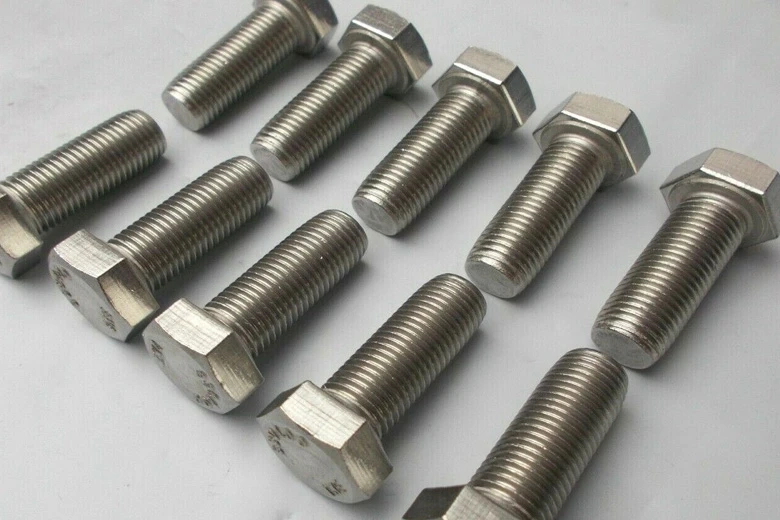
Introduction: The Everyday Choice That Shapes Every Project
Picture this: a construction site in Dubai buzzing with activity. Cranes turning, welders sparking, engineers on-site making quick calls. Amid all that noise, one simple question often determines whether deadlines are met or missed — where should we source our bolts?
In a market this competitive, every detail counts, especially when it comes to sourcing materials that literally hold the structure together. For many builders and project managers, choosing between Hex Bolt suppliers in UAE and imported distributors isn’t just about price. It’s a question of reliability, speed, and quality that directly impacts performance on-site.
So, what really works better for UAE builders — going local or importing from abroad? Let’s break it down.
The UAE Construction Scene: Fast, Demanding, and Ever-Changing
The UAE’s construction industry moves fast — sometimes faster than the global supply chain can keep up. Projects are massive in scale and unforgiving with deadlines. Think airports, skyscrapers, malls, and entire smart cities being built almost simultaneously.
That pace demands suppliers who can deliver not only quality but also responsiveness. Builders can’t afford to wait weeks for imported materials stuck in transit. At the same time, they don’t want to compromise on quality or international standards.
That’s where the debate between local and imported sourcing really heats up.
The Case for Local Hex Bolt Suppliers: Quick, Flexible, and Grounded in Reality
Let’s start with the home team — local suppliers.
1. Faster Delivery and Easier Logistics
Local suppliers can deliver in days, not weeks. In Dubai or Abu Dhabi, a quick phone call can get a shipment dispatched the same day. For urgent replacement orders or fast-moving projects, that’s a lifesaver. No customs delays, no shipping hold-ups, no currency conversions — just quick supply straight to your site.
2. Better Communication and After-Sales Support
When you’re dealing with someone in the same time zone (and sometimes, the same neighborhood), communication becomes effortless. You can physically visit the warehouse, check the materials yourself, or even request custom fabrication.
3. Adapted to Local Standards
Here’s the thing — UAE projects often follow local or hybrid codes that blend British, American, and Gulf standards. Local suppliers already understand these nuances. They stock products that meet DCL (Dubai Central Laboratory) or ESMA (Emirates Authority for Standardization & Metrology) guidelines without needing adjustments.
4. Relationships That Build Trust
Working with local suppliers fosters long-term partnerships. Many contractors rely on familiar faces who’ve been part of multiple projects together. There’s a sense of shared accountability — something that’s hard to get with faceless overseas distributors.
Also Read this: Mistakes That Can Shorten the Lifespan of Chemical Anchor Bolts
The Case for Imported Distributors: Variety and Global Benchmarking
Now, imported distributors certainly have their strengths — and for large-scale or specialized projects, they’re sometimes the better option.
1. Access to Global Brands and Specialized Grades
Some imported distributors represent internationally recognized fastener manufacturers. For projects requiring high-tensile, heat-resistant, or aerospace-grade bolts, international sourcing might be the only option.
2. Competitive Bulk Pricing
Buying directly from large overseas manufacturers can reduce per-unit cost, especially on big orders. However, those savings can vanish quickly once you factor in freight, customs, and possible delays.
3. Consistent Quality Standards
Established distributors often supply products tested under ISO, ASTM, or DIN standards. That makes documentation easier for international clients or government projects that demand traceability.
So yes — imported bolts have their appeal. But when local suppliers are offering equally high-grade materials at competitive prices, the decision becomes less clear-cut.
What UAE Builders Actually Consider Before Choosing
You’ll see, the smartest contractors don’t pick one side blindly. They weigh their options based on a few practical factors:
1. Project Type and Urgency
If it’s a high-rise with strict engineering tolerances, imported materials may be justified. But for standard structural or mechanical work, local supply chains win hands down for speed and convenience.
2. Cost vs. Risk
Imports look cheaper on paper — until a shipment gets delayed or stuck at port. Local sourcing might cost slightly more upfront, but the predictability often saves more in the long run.
3. Customization Needs
Local suppliers can tailor orders, packaging, or coatings to match project specs. Imported bolts come as-is — any modifications mean added time and cost.
4. Sustainability and Local Economy
With Dubai’s focus on sustainability and “Made in UAE” initiatives, builders are starting to favor local sourcing to reduce carbon footprints and support domestic industry.
Blended Strategy: The Best of Both Worlds
Some of the top construction firms in the UAE take a hybrid approach — sourcing standard fasteners locally while importing specialized ones. It’s a balanced strategy that keeps projects moving while maintaining flexibility for unique design requirements.
For example, a contractor might use UAE-made bolts for structural steel work but import high-tensile bolts for an offshore project exposed to corrosion and heavy loads. This mix allows them to stay both agile and compliant.
FAQs About Local vs. Imported Hex Bolt Sourcing
Q1: Are locally sourced hex bolts as strong as imported ones?
Yes, many local manufacturers meet international standards and certifications. Always check test reports and quality certificates before purchase.
Q2: Do imported bolts take longer to arrive in the UAE?
Typically, yes. Depending on the source country and customs process, shipping can take several weeks, while local suppliers can deliver within days.
Q3: Which option is more cost-effective?
It depends on quantity and urgency. Imports may seem cheaper in bulk, but local suppliers often provide better total value when you factor in logistics and downtime.
Q4: Can I request custom coatings or lengths from UAE suppliers?
Absolutely. Many local suppliers offer hot-dip galvanizing, zinc coating, and custom threading to match project specifications.
Conclusion: The Smart Choice Lies in Balance
So, which works better for UAE builders — local hex bolt suppliers or imported distributors? The answer depends on your priorities. For speed, adaptability, and on-the-ground reliability, local suppliers often take the win. For niche specifications or specialized materials, imports still have their place.
In the end, the smartest builders find balance — working with trusted local partners who can bridge the gap between global quality and regional practicality. Companies like Oman Ocean Trading LLC, one of the leading Hex Bolt suppliers in UAE, embody that balance by offering international-grade fasteners backed by local expertise and support.
When you’re building something meant to last decades, choosing the right supplier isn’t just a logistical decision — it’s part of the foundation itself.