



Introduction
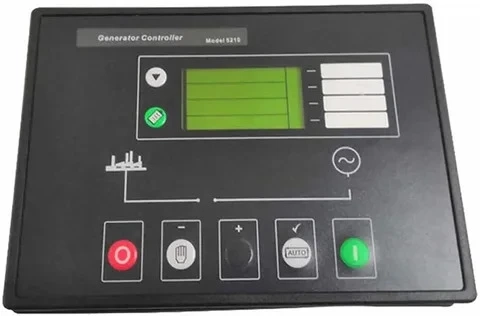
When the power cuts out—whether it’s because of grid instability, harsh weather, or unexpected equipment failure—every second counts. A delay of even a few moments can disrupt operations, damage equipment, or interrupt critical services. That’s exactly where advanced automation and smart monitoring come into play. Modern Generator Control Panels are designed to make backup systems react quicker, smoother, and with much more precision than older manual setups ever could. In today’s digital-heavy world, intelligent response isn’t a luxury—it’s an essential part of maintaining uninterrupted power flow.
Why Fast Generator Response Times Matter
The Financial and Operational Impact of Delays
Downtime is expensive—no way around it. Even a short loss of power can halt production lines, shut down servers, and bring essential services to a standstill. Fast-start technology minimizes this window of vulnerability.
Where Immediate Backup Power Is Non-Negotiable
From hospitals to data centers, water treatment plants, and telecom networks, certain industries simply cannot afford even a few seconds of outage. Intelligent control systems are what make seamless transitions possible.
How Intelligent Panels Speed Up Generator Activation
Automatic Power Loss Detection
Smart panels constantly monitor incoming utility power. The moment the voltage dips below acceptable levels or the grid supply cuts, these systems pick it up instantly. There’s no human delay—no one has to run outside to flip a switch or diagnose the situation.
Communication Between Panels and Engines
Once power loss is detected, the next step happens in milliseconds. Intelligent systems send direct signals to the generator’s engine controller, instructing it to start immediately. This ultra-fast chain of communication is what makes modern systems considerably more responsive.
Built-In Decision Logic
Older systems often relied on manual control or simple relays. Today’s intelligent panels use logic-based algorithms to:
- Verify power loss
- Check engine readiness
- Initiate startup
- Stabilize output
- Transfer the load
All this happens in a pre-programmed, efficient sequence, eliminating unnecessary delays.
Don't forget to check out : 5 Ways to Cut Energy Costs Using Diesel Power Solutions in Qatar
The Role of Real-Time Monitoring in Faster Response
Constant Health Checks
Smart panels continuously monitor:
- Fuel levels
- Battery charge for starting
- Engine temperature
- Alternator health
If any parameter drifts out of the safe range, the system alerts technicians early—often before a failure affects the generator’s ability to start quickly.
Predictive Maintenance and Early Intervention
Instead of waiting for a problem to cause downtime, intelligent systems detect abnormalities early and notify operators. This reduces the risk of slow startups caused by hidden faults like weak batteries, clogged filters, or failing sensors.
How Intelligent Load Transfer Improves Performance
Faster and Smoother Transfer Switch Operation
The moment the generator stabilizes, the panel communicates with the automatic transfer switch. Intelligent logic ensures:
- No power surges
- No flickering
- No phase mismatch
- No lag between power sources
This creates a seamless transition from the grid to generator power.
Dynamic Load Management
Some intelligent panels can also prioritize essential loads. This is especially useful when the generator has to handle:
- Sensitive equipment
- High inrush loads
- Large commercial installations
Prioritizing and staggering loads prevents overload and speeds up full operational readiness.
Advanced Features That Improve Generator Responsiveness
Remote Monitoring and Control
With remote connectivity, operators can start, stop, or reset systems even when they’re miles away. It also allows:
- Real-time alerts
- Diagnostic reports
- System health monitoring
This leads to faster intervention during emergencies.
Smart Sync Capabilities
For sites using multiple power sources—or several generators—intelligent panels help synchronize everything smoothly. This ensures stable power without manual adjustments or delays.
Event Logging and Performance Analysis
Tracking startup times, fault history, and system delays helps technicians fine-tune settings for even better response in the future.
Are Intelligent Control Systems Worth the Investment?
In most cases, yes. They reduce human error, minimize downtime, protect equipment, and offer long-term reliability. While the upfront cost may be higher than basic control setups, the savings generated from improved uptime and reduced maintenance are significant.
Conclusion
Fast generator response is no longer an optional feature—it’s a necessity for businesses and facilities that depend on uninterrupted power. Intelligent panels make that rapid response possible by automating detection, speeding up communication, managing loads efficiently, and providing real-time system monitoring. They not only enhance reliability but also give operators the confidence that their power backup will perform exactly when needed.
For those considering an upgrade or installation, Laurus Technologies LLC offers expertise and solutions that bring smarter power management within reach. Investing in intelligent control systems is ultimately about safeguarding your operations and ensuring stability no matter what happens with the grid.
If you'd like, I can also create a meta title, description, FAQs, or social media captions for this article—just say the word!