




Fire safety and property protection are often grouped together under the broad idea of “security,” but this assumption can be costly. Many property owners, construction managers, and facility operators believe that on-site security guards and fire watch guards serve the same purpose. In reality, these services are fundamentally different in training, responsibility, and legal compliance. Understanding the distinction is essential for avoiding fines, preventing property loss, and protecting lives.
Fire watch services are designed to address a very specific risk: fire hazards when standard fire protection systems are offline or insufficient. On-site security, on the other hand, focuses on crime prevention, access control, and general surveillance. While both roles may involve patrols and reporting, their objectives and qualifications are not interchangeable. Choosing the wrong service for the wrong situation can result in regulatory violations and serious safety consequences.
This article explores the critical differences between fire watch and on-site security, explains when each service is required, and highlights why relying on one instead of the other can be a dangerous mistake.

Understanding Fire Watch Services
Fire watch services exist to mitigate fire risk when fire alarms, sprinklers, or suppression systems are impaired or non-functional. These situations commonly arise during construction, renovations, system upgrades, or unexpected equipment failures. Fire watch guards are trained to detect early signs of fire, identify hazards, and respond immediately to prevent escalation.
Unlike general security personnel, fire watch guards follow strict protocols defined by fire codes and local authorities. Duties often include continuous patrols, maintaining detailed logbooks, checking high-risk areas, and ensuring compliance with local fire department requirements. Fire watch is not optional in many jurisdictions; it is a legal requirement when fire protection systems are compromised.
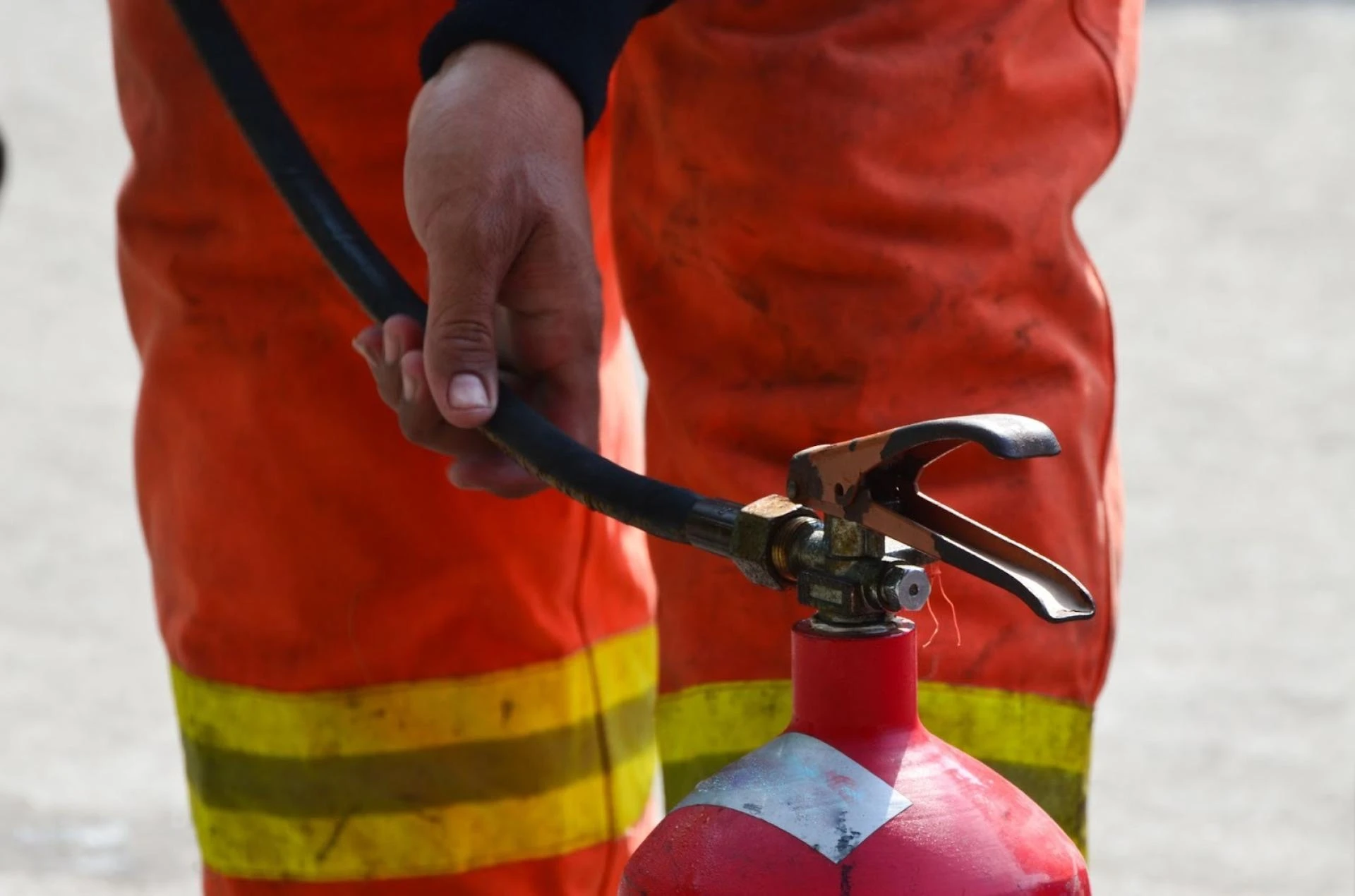
Fire watch guards are also trained in emergency communication. They know how to contact emergency services quickly, guide evacuations, and use fire extinguishers when appropriate. Their presence is a proactive measure designed to reduce response time during critical moments when seconds matter.
What On-Site Security Is Designed to Do
On-site security focuses primarily on protecting people, property, and assets from theft, vandalism, trespassing, and unauthorized access. Security guards may monitor entrances, check identification, patrol perimeters, and observe surveillance systems. Their training emphasizes situational awareness, conflict de-escalation, and reporting suspicious behavior.
While security guards may notice hazards during routine patrols, fire prevention is not their primary role. Most on-site security personnel are not trained to meet fire watch requirements or comply with fire marshal regulations. Their reporting procedures, patrol schedules, and documentation differ significantly from those mandated for fire watch services.
Security guards play a valuable role in maintaining order and deterring crime, but their presence does not replace the specialized expertise required for fire risk management. Assuming otherwise can lead to compliance failures and increased liability.
Training and Certification Differences
One of the most important distinctions between fire watch and on-site security lies in training and certification. Fire watch guards undergo specialized instruction related to fire hazards, building layouts, combustible materials, and emergency response protocols. Training often aligns with standards set by local fire departments and national fire codes.
Fire watch personnel are trained to recognize subtle warning signs such as unusual odors, overheating equipment, blocked exits, or improper storage of flammable materials. They also learn how to document patrols accurately, as detailed logs are often reviewed by fire marshals during inspections.
On-site security training, by contrast, focuses on crime prevention and customer interaction. While some security guards receive basic fire safety awareness, this level of training does not meet the legal or practical requirements of a fire watch assignment. Certification for fire watch is typically role-specific, while general security licensing does not cover fire watch responsibilities.
Legal and Compliance Requirements
Fire watch services are often mandated by law. Local fire codes, insurance providers, and building authorities may require fire watch coverage during specific conditions, such as when sprinkler systems are offline or fire alarms are under maintenance. Failure to comply can result in fines, stop-work orders, or even facility shutdowns.
On-site security does not satisfy these legal requirements. Even if a security guard is present around the clock, authorities may still require certified fire watch personnel. This distinction is critical for construction projects, commercial buildings, healthcare facilities, and industrial sites.
Insurance policies may also specify fire watch requirements. In the event of a fire-related claim, insurers may deny coverage if proper fire watch protocols were not followed. This makes the correct deployment of fire watch guards not only a safety measure but also a financial safeguard.
Risk Management and Liability Considerations
From a risk management perspective, fire watch and on-site security address entirely different threats. Fire watch reduces the likelihood of fire-related incidents escalating into catastrophic events. On-site security reduces the risk of theft, vandalism, and unauthorized access.
Relying on security guards to perform fire watch duties increases liability. If a fire occurs and it is determined that trained fire watch personnel were not present, property owners and managers may face legal consequences. This includes potential lawsuits, regulatory penalties, and reputational damage.
Fire watch guards are trained to document their activities meticulously. These records serve as proof of compliance and due diligence, which can be critical during audits or investigations. Security reports, while useful, do not fulfill the same regulatory function.
Operational Differences in Daily Duties
Fire watch operations are highly structured. Patrol intervals, inspection points, and reporting formats are often dictated by fire authorities. Guards may be required to check specific equipment, stairwells, electrical rooms, and high-risk areas at set intervals.
On-site security operations are more flexible. Patrol routes and schedules may vary based on perceived security threats or site-specific needs. While this flexibility is valuable for crime prevention, it does not align with the rigid requirements of fire watch protocols.
Fire watch guards also focus on prevention rather than enforcement. The goal is to identify and eliminate fire hazards before ignition occurs. Security guards, by contrast, often focus on deterrence and response after an incident is detected.
When Fire Watch Is Required Instead of Security
Fire watch is required in situations where fire protection systems are compromised or when activities increase fire risk. Examples include hot work operations, welding, large-scale construction, or temporary system shutdowns. In these scenarios, on-site security alone is insufficient.
Fire marshals and inspectors often specify fire watch coverage in permits and inspection reports. Ignoring these requirements can delay projects and increase costs. Engaging a professional fire watch service ensures compliance and peace of mind.
A reliable provider such as The Fast Fire Watch Company - Fire Watch Guards offers trained personnel who understand local regulations and respond quickly to urgent needs. Professional fire watch services are tailored to meet code requirements and site-specific risks, making them a critical component of fire safety planning.
Why Fire Watch and Security Should Not Be Confused
Confusing fire watch with on-site security often stems from surface-level similarities, such as uniforms and patrols. However, these similarities are misleading. The intent, training, and authority behind each role are entirely different.
Fire watch is a specialized safety function with legal implications. On-site security is a general protective service focused on human and property threats. Treating them as interchangeable undermines safety efforts and exposes organizations to unnecessary risk.
Understanding these differences allows decision-makers to allocate resources appropriately. Instead of choosing one service to cover all risks, a layered approach that includes both fire watch and security may be the most effective strategy for comprehensive protection.
Conclusion: Choosing the Right Protection Matters
Fire watch and on-site security serve distinct purposes that should never be conflated. Fire watch is a legally mandated, highly specialized service focused on preventing and responding to fire hazards during vulnerable periods. On-site security is designed to deter crime and manage access, not to replace fire safety protocols.
Selecting the correct service protects lives, property, and investments. It also ensures compliance with fire codes and insurance requirements. When fire protection systems are compromised or risks are elevated, certified fire watch guards are not optional they are essential.
Understanding these differences empowers property owners and managers to make informed decisions, reduce liability, and maintain safe environments. Fire safety is not an area where assumptions should be made, and choosing the right expertise can make all the difference.
Frequently Asked Questions
What is the main purpose of fire watch services?
Fire watch services are designed to prevent fires and respond immediately when fire protection systems are not operational or when fire risk is elevated.
Can a security guard legally perform fire watch duties?
In most jurisdictions, security guards without fire watch training and certification do not meet legal fire watch requirements.
When is fire watch typically required?
Fire watch is commonly required during construction, hot work, system maintenance, or when fire alarms or sprinklers are offline.
Does insurance require fire watch coverage?
Many insurance policies require fire watch services during high-risk periods and may deny claims if proper coverage is not in place.
Is it possible to have both fire watch and on-site security?
Yes, many sites benefit from having both services, as they address different risks and enhance overall safety.