


Introduction
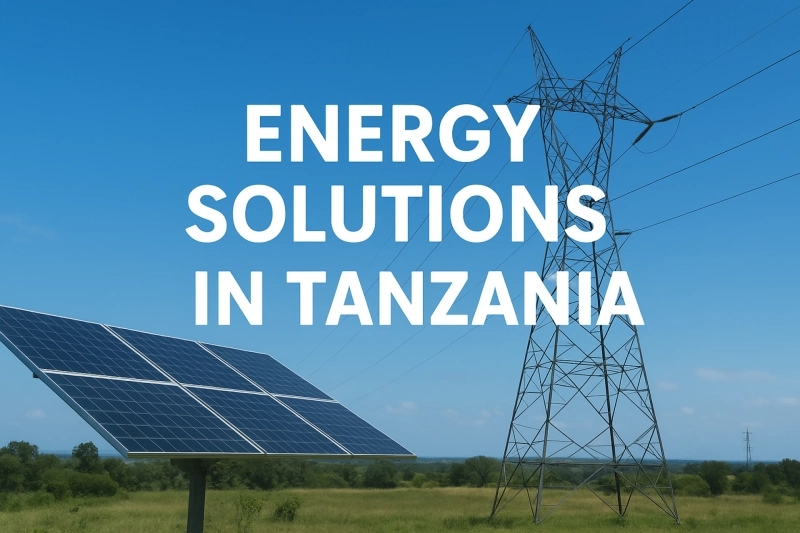
Across Tanzania, many rural and remote areas still face challenges in accessing reliable electricity. For these communities, finding alternatives beyond traditional power grids has become essential. The demand for Energy solutions in tanzania continues to grow as people seek affordable, sustainable, and practical ways to light homes, power schools, and support businesses. But which options truly work best for off-grid communities?
Solar Power: A Natural Fit
Solar energy, due to abundant sunlight, is a major potential alternative in Tanzania. Solar panels can be sized to supply households or communities, from small home systems through larger mini grids. They are generally low-maintenance, and once installed, they can generate power on a fairly consistent basis at a relatively low cost. Families and villages see immediate gains in lighting, communication, and productivity from the use of solar power.
Mini-Grids and Hybrid Systems
Another viable alternative is tiny grids powered by solar, hydro, or biomass. These systems power clusters of homes and small businesses, making them ideal for villages that want a collective power resource. Hybrid systems, which combine diesel and battery storage with solar panels for added reliability in the event of cloudy weather or high energy demand, are common.
Biomass and Local Resources
A more sustainable source comes from biomass energy in farming areas, generated from either crop residue or animal waste. Communities have the potential to provide for themselves through local resources and waste. More infrastructure is needed for biomass than for solar, but it can be very effective in areas with extensive agricultural activity.
Wind Energy Potential
Wind power is less prevalent compared to solar, but there’s potential in areas with sustained wind. Wind power at a smaller scale, such as the installation of additional small wind turbines, may be used to fill in or replace gaps left by solar installations during different times of the year.
Don't forget to check out : Why You Shouldn’t Skip Reverse Osmosis Systems in Tanzania, Even with Rainwater Access
Conclusion
For off-grid communities, the best solution often depends on local conditions and available resources. Solar power remains the most widely accessible choice, but mini-grids, biomass, and wind can play valuable roles in creating reliable energy networks. Ultimately, the right approach may involve combining multiple technologies to meet diverse needs. Companies such as Tamgo Tanzania Limited continue to support communities by providing access to these innovative solutions. As Tanzania looks to the future, off-grid energy systems will continue to play a vital role in building sustainable development across the country.