



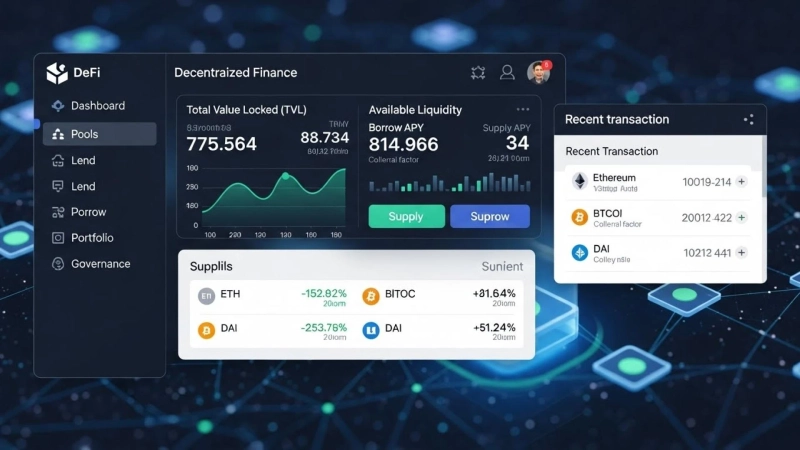
A secure DeFi staking platform depends on thoughtful planning, resilient smart contract engineering, and comprehensive security practices that ensure user trust and asset protection. As decentralized finance continues to evolve, staking protocols have become vital components for generating predictable yields while supporting network security and token stability. Building such a platform requires attention to technical architecture, token economics, system usability, and long-term protocol maintenance. Many businesses partner with a reliable defi staking platform development company to handle complex technical requirements and ensure robust security. This blog provides an end-to-end view of the essential phases in creating a safe and sustainable staking ecosystem.
Architectural Planning and Technical Blueprinting
A well-designed technical blueprint establishes the foundation for a secure and scalable staking platform. This phase determines how different system components interact, how user assets are safeguarded, and how staking operations flow from end to end. The architectural plan outlines the staking mechanisms, contract structure, governance layers, and communication logic between on-chain and off-chain components. Without a clear blueprint, the project risks inefficiency, security gaps, or inconsistent user experience. Strong architecture ensures predictable performance and long-term scalability while supporting future expansions and integrations.
- Defining Staking Logic and Token Roles: The staking logic determines how deposits, rewards, and withdrawals function within the ecosystem. This includes evaluating whether users stake native tokens, liquidity tokens, or governance assets. Clear logic prevents reward imbalance, maintains token stability, and motivates long-term participation.
- Selecting the Blockchain Network and Standards: Choosing the right network influences cost efficiency, scalability, and transaction speed. Teams evaluate whether features like EVM compatibility, cross-chain support, or fast finality are required. The chosen standards shape how contracts interact with wallets and external protocols.
- Establishing Governance and Administrative Roles: Governance determines how decisions are made, updated, and validated. Role-based systems prevent unauthorized actions and ensure structured responsibility. These roles help maintain platform transparency and operational stability.
- Incorporating Risk and Compliance Management: Incorporating risk management early helps prevent liquidity issues, contract breaches, or operational failures. Compliance planning also supports long-term credibility and reduces regulatory concerns in different regions.
Tokenomics and Reward Mechanism Structuring
The strength of a staking platform relies heavily on well-balanced tokenomics that encourage user involvement while maintaining token value. Tokenomics planning shapes user incentives, reward frequency, and the long-term economic health of the ecosystem. A poorly structured token model may lead to inflation, reduced demand, or liquidity shortages. When done correctly, tokenomics aligns user behavior with platform growth and provides predictable rewards. Many platforms consult a defi staking platform development company to build token models that remain sustainable over time and support wider adoption.
- Designing Sustainable Reward Emission Models: Balanced emission models ensure rewards remain attractive without overwhelming token supply. Time-based rewards, tiered rates, or dynamic APYs help maintain fairness and stability within the system.
- Balancing Liquidity Needs and Staking Incentives: Liquidity is essential for smooth trading and platform growth. Structured incentives must encourage staking while preserving enough tokens in circulation to support external market activity.
- Implementing Penalty and Locking Parameters: Locking mechanisms prevent sudden exits that destabilize the protocol. Penalty rules discourage harmful behavior, making the platform safer and more predictable for long-term participants.
- Aligning Token Utility With Platform Growth: Tokens with multiple utilities governance, rewards, or fee reductions achieve stronger user engagement. Enhanced utility supports market demand and strengthens the token’s overall value proposition.
Smart Contract Development and Security-Focused Coding
Smart contracts are the core components that automate staking, rewards, and governance interactions. Their reliability defines platform safety. A secure contract eliminates vulnerabilities, executes functions precisely, and handles user funds responsibly. Developers must follow strict coding standards, implement defensive mechanisms, and use scalable contract patterns. Smart contract development requires specialized knowledge, since even minor errors can lead to significant financial losses. This phase is where an experienced defi staking platform development company often becomes critical, ensuring the system is built with industry-leading practices.
- Building Modular and Upgradable Code Structures: Modular development allows each contract segment to operate independently, simplifying upgrades and future changes. Upgradable contract patterns ensure long-term adaptability without compromising security.
- Implementing Safe Reward and Payout Logic: Reward functions must handle large volumes of users and transactions efficiently. Safe payout logic ensures that no user gains an unfair advantage or manipulates the reward flow.
- Strengthening Access Controls and Role Permissions: Strong access control prevents unauthorized changes to staking parameters or critical settings. These controls help maintain security across every stage of platform operation.
- Applying Defensive Coding Practices: Techniques such as re-entrancy guards, overflow checks, and secure math libraries reduce exposure to known attack vectors. Defensive coding remains one of the strongest layers of contract protection.
Frontend and Backend Development for Reliable User Experience
User experience plays a major role in determining a platform’s acceptance and long-term participation rates. A seamless interface enables clear communication, prevents user confusion, and improves trust. The backend supports continuous data flow, real-time updates, and wallet interactions, reinforcing the platform’s reliability. Proper coordination between frontend and backend layers ensures smooth staking operations, accurate calculations, and responsive dashboards. Both components work together to deliver a consistent environment where users can easily track their staked assets, claim rewards, and manage their positions.
- Designing Clear and Informative Dashboards: Dashboards should provide easy access to staking metrics, balances, historical rewards, and APY data. A well-structured layout enhances clarity and improves user decision-making.
- Building Scalable and Efficient Backend Services: Backend systems manage blockchain indexing, activity monitoring, and API communication. Scalable architecture ensures the platform remains reliable even as user volume increases.
- Integrating Secure Wallet Connections: Seamless wallet integration supports safe authentication and precise transaction handling. Compatibility with leading wallets helps broaden the platform’s user base.
- Ensuring Accurate On-Chain and Off-Chain Syncing: Real-time syncing ensures users always view the correct balance, staking duration, and pending rewards. Accurate syncing strengthens platform credibility.
Advanced Security Audits and Vulnerability Assessments
Security audits determine whether the staking platform is robust enough to withstand real-world attacks and operational stress. Audits involve multi-layered evaluations that examine smart contracts, backend systems, and economic models. Independent auditing teams identify weakness points, simulate potential exploits, and validate whether implemented security measures are effective. A strong auditing process significantly reduces the risk of financial loss, malicious manipulation, or unexpected system failures. Continuous auditing ensures the platform remains resilient even as external threats evolve.
- Conducting Static and Dynamic Testing Procedures: Static testing reviews code for logic flaws, while dynamic testing evaluates live behavior across multiple scenarios. Both methods uncover different kinds of vulnerabilities.
- Simulating Attack Vectors and Penetration Tests: Penetration tests simulate malicious actions such as flash-loan exploits, oracle manipulation, and parameter tampering. These tests prepare the platform for real threats.
- Validating Economic Models and Reward Structures: Economic analysis verifies that reward flows are sustainable and resistant to manipulation. A stable model prevents token supply imbalances that could affect long-term value.
- Executing Multi-Phase Review and Final Verification: After fixes are implemented, additional reviews confirm that vulnerabilities are resolved. Multi-phase verification contributes to platform reliability and user confidence.
Deployment Preparation and Secure Launch Process
A secure launch requires careful planning, thorough testing, and controlled execution. Deployment is more than publishing contracts; it involves configuring parameters, verifying addresses, and monitoring interactions on the live network. Errors during deployment can compromise user funds or disrupt the staking mechanism, making this phase critical. Teams follow structured procedures to ensure that the system transitions smoothly from testing to production. Proper preparation leads to a stable launch that users can trust from the first day.
- Configuring Smart Contract Parameters Carefully: All parameters, including reward settings, token addresses, and staking durations, must be double-checked before deployment. A detailed checklist helps prevent misconfigurations.
- Performing End-to-End Pre-Launch Testing: Simulated tests validate that deposits, withdrawals, and reward functions behave consistently. This phase ensures the platform works correctly before going live.
- Executing Controlled Mainnet Deployment: Staged deployment reduces risk by allowing gradual monitoring and adjustment. This approach helps developers react quickly to unexpected behavior.
- Preparing Emergency Response Mechanisms: Backup processes ensure issues can be addressed quickly without affecting user funds. Emergency protocols improve platform resilience and recovery capacity.
Post-Launch Monitoring, Optimization, and Ongoing Support
Once the platform is live, continuous monitoring becomes essential. Real-time tracking identifies anomalies, optimizes performance, and enhances user experience. Post-launch improvements help maintain competitiveness and adapt to market needs. Features may evolve through upgrades, new staking pools, or governance-driven changes. Many businesses work with a defi staking platform development company to manage updates, security patches, and user enhancements, ensuring the system remains reliable and efficient over time.
- Tracking Performance and Identifying Anomalies: Monitoring tools detect unusual activity, contract irregularities, or delayed transactions. Early alerts protect the ecosystem from evolving threats.
- Improving Features Based on User Behavior: Usage data reveals opportunities to optimize staking flows, reward visibility, or UI elements. User-driven improvements enhance satisfaction and engagement.
- Updating Staking Pools and Governance Parameter: New pools and flexible governance updates help maintain platform relevance and respond to market demand. Regular updates keep the system competitive.
- Partnering With Professionals for Long-Term Maintenance: Technical support teams assist with upgrades, compatibility fixes, and periodic audits. Professional oversight ensures the platform remains secure and efficient.
Business Growth Strategies and Ecosystem Expansion
A successful staking platform evolves into an interconnected ecosystem through strategic growth initiatives. Expanding the platform requires collaboration, community involvement, and continuous innovation. Growth strategies help strengthen liquidity, increase user participation, and enhance brand reputation. Strong positioning allows the protocol to attract new partners, launch cross-chain features, and explore new utilities. Expert guidance from a seasoned defi staking platform development company often supports long-term expansion and market readiness.
- Building Strategic Partnerships and Integrations: Partnerships with other protocols expand liquidity and introduce new utilities. Integrations broaden use cases and increase platform visibility.
- Enhancing Community Engagement and Participation: Active communication and transparent updates build trust and encourage user involvement. Community engagement strengthens protocol governance and growth.
- Launching Cross-Chain Features and Advanced Utilities: Cross-chain staking and multi-token utilities expand opportunities for users. This creates a more flexible and feature-rich ecosystem.
- Leveraging Professional Support for Scalable Expansion: Expert guidance helps develop scalable architectures, new features, and improved security policies. Professional involvement ensures sustainable growth.
Conclusion
Building a secure, scalable, and user-focused DeFi staking platform requires a structured approach that covers architecture, tokenomics, smart contract development, auditing, and continuous optimization. Each phase plays a crucial role in protecting user assets and delivering consistent performance. Many projects rely on a specialized defi staking platform development company to ensure that every component meets high-quality standards and follows robust security practices. With the right planning and ongoing support, staking platforms can achieve resilience, strong adoption, and long-term value across the decentralized finance landscape.