



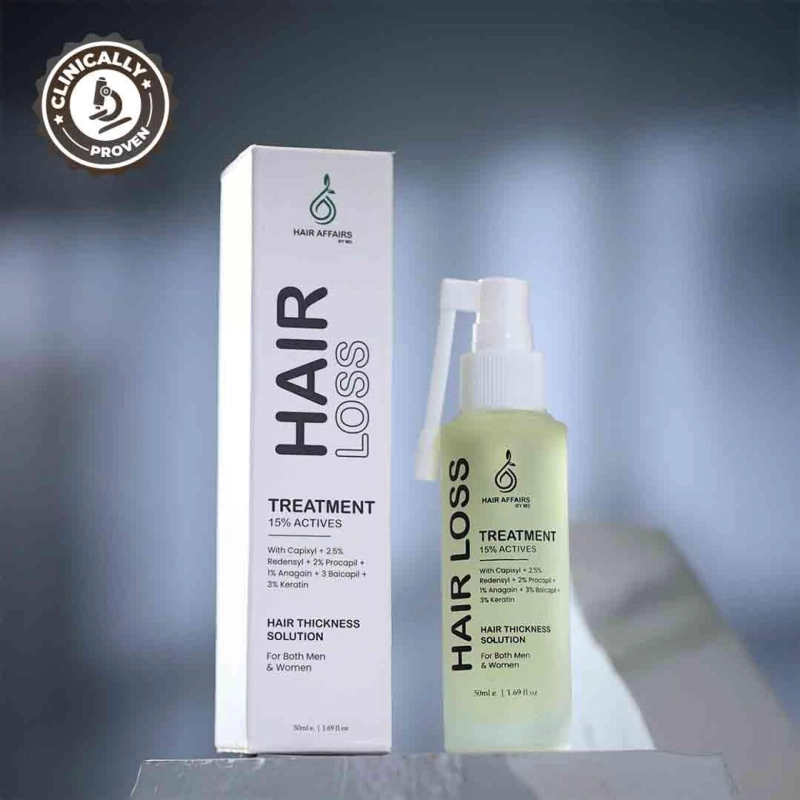
Medicated Hair Loss Treatment: Regrow Your Confidence
Hair loss affects millions of people around the world, both men and women, and it can significantly undermine confidence and self-esteem. Whether you are just starting to notice thinning strands or dealing with more advanced hair fall, a well-formulated, medicated hair loss treatment can be the key to restoring not just your hair, but also your spirit.
Understanding Hair Loss: What Causes It?
Hair fall happens due to a variety of factors: genetics, hormonal imbalances, stress, nutritional deficiencies, and environmental stressors all play a role. For many, androgenetic alopecia (pattern hair loss) is the culprit; in others, sudden hair shedding may result from telogen effluvium triggered by illness, childbirth, or shock. Regardless of the cause, when hair loss becomes persistent and progressive, over-the-counter shampoos and conditioners may not be enough—you may need a targeted, medicated solution.
Why Medicated Hair Loss Treatments Work Better
Unlike cosmetic products that only address surface-level issues, medicated therapies are clinically designed to influence the hair growth cycle directly. These treatments often act on the root of the problem whether that’s improving blood circulation to hair follicles, blocking hormonal triggers, or protecting the scalp environment. This deeper action helps to reduce hair shedding, promote regrowth, and strengthen new and existing hair, making medicated interventions a powerful tool for long-term improvement.
Top Medicated Options for Men & Women
- Minoxidil (Topical Treatment)
- Minoxidil is one of the most widely used and trusted medicated treatments. Available in foam or liquid, typically in 2% and 5% strengths, it works by widening blood vessels in the scalp, improving blood flow, and revitalizing shrunken hair follicles. For men and women with mild to moderate hair loss, daily minoxidil application can help stabilize shedding within a few months, followed by visible regrowth on the scalp.
- Finasteride (Oral Treatment, for Men)
- Finasteride is a prescription medication specifically for men experiencing male-pattern baldness. It works by inhibiting the enzyme that converts testosterone into dihydrotestosterone (DHT), the hormone responsible for attacking hair follicles in male-pattern hair loss. With consistent usage, finasteride can significantly reduce hair fall and, in many cases, stimulate regrowth. It’s important to consult a medical professional before starting finasteride, as it must be supervised and may have side effects.
- Spironolactone (Oral Treatment, for Women)
- For women whose hair loss is influenced by hormonal fluctuations, spironolactone may be prescribed. It acts as an anti-androgen, reducing the effect of male hormones (androgens) on hair follicles, which can stop progression of thinning and support regrowth. This option is especially useful for women with signs of androgenetic alopecia who want a medication to correct hormonal influence.
- Low-Level Laser Therapy (LLLT)
- Though not a “medication” in the traditional sense, low-level laser therapy devices are also considered a medically backed treatment. They use safe, low-power light wavelengths to stimulate hair follicles, encourage circulation, and promote the anagen (growth) phase of hair. Many medicated hair loss treatment plans include LLLT as a supplementary therapy.
- Prescription Topical Treatments
- Beyond minoxidil, dermatologists may recommend other topical medicated treatments, including corticosteroid lotions or injections (for inflammatory scalp conditions) or anti-androgen creams for women. These are tailored to individual diagnoses and offer a targeted way to treat scalp issues that lead to hair loss.
Choosing the Best Medicated Hair Loss Treatment
To decide the most effective medicated treatment for you, follow these steps:
- Consult a Dermatologist or Trichology's: A specialist can diagnose the type and cause of your hair loss so you get the right therapy.
- Consider Your Health History: Some treatments like finasteride or spironolactone require careful assessment of your medical background.
- Commit to a Routine: Medicated solutions often require months of consistent use to begin working. Be patient and follow the prescribed schedule.
- Combine with Supportive Care: Use gentle, nourishing shampoos, maintain a balanced diet, manage stress, and use scalp massages or LLLT for enhanced results.
Managing Expectations
It’s important to set realistic goals. Most medicated treatments begin to show a reduction in hair fall within 2–4 months, with more noticeable regrowth happening over 6–12 months. Results vary by individual, depending on how early you start, the severity of hair loss, and your consistency. Stopping treatment typically causes the benefits to fade, so long-term commitment is key.
Safety and Side Effects
As with any medical therapy, there are potential side effects. Minoxidil may cause scalp irritation or temporary shedding. Finasteride can result in hormonal side effects. Spironolactone may lead to changes in blood pressure or electrolyte levels. It’s vital to have medical supervision and regular check-ups while using these treatments. Your healthcare provider can monitor you and adjust your regimen if needed.
Boosting Confidence Through Regrowth
Hair restoration isn’t just about physical change; it’s about reclaiming self-esteem. Seeing shedding slow down, feeling your scalp strengthen, and watching new strands appear can reinvigorate your confidence. A medicated hair loss treatment doesn’t just regrow hair—it helps you reconnect with a more empowered and authentic sense of self.
Tips for Maximizing Results
- Stay consistent: Use your medicated treatment every day, without skipping.
- Track your progress: Take monthly photos to note subtle improvements.
- Pair with healthy habits: Sleep, nutrition, and stress management enhance treatment efficacy.
- Be patient: Medicated hair loss treatments take time, but perseverance pays off.
- Talk to your doctor: Share any concerns or side effects early. Your treatment plan can always be adjusted.
Conclusion
Choosing the best medicated hair loss treatment can transform more than just your hair—it can truly restore your confidence. By addressing the underlying causes of hair fall with evidence-based therapies like minoxidil, finasteride, or spironolactone, and combining them with supportive care, you put yourself on a path toward real regrowth. With knowledge, consistency, and professional guidance, medicated hair loss treatment is more than a solution—it’s a powerful way to feel like yourself again.