



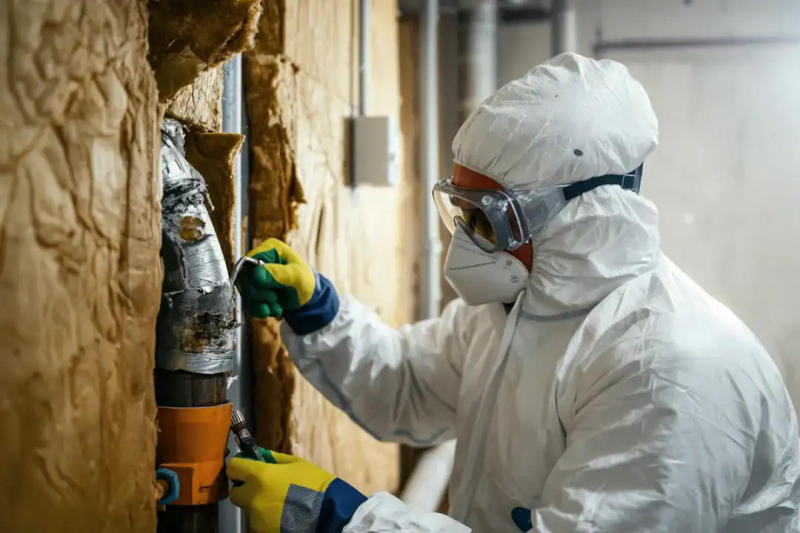
Older buildings often carry a certain charm—ornate ceilings, solid timber frames, and character-filled architecture. But alongside these appealing features, many homes built before the 1990s may hide a more serious concern: asbestos. Once widely used in construction for its fire-resistant and insulating properties, asbestos is now known to pose significant health risks when disturbed. For homeowners, understanding the signs and knowing when to act is crucial, especially if renovations or repairs are on the horizon.
Why Asbestos Was Used and Why It’s Risky
Asbestos was a common building material for decades due to its durability and resistance to heat, chemicals, and fire. You might find it in walls, ceilings, roofs, vinyl flooring, pipe insulation, and even textured coatings like “popcorn” ceilings. However, the danger arises when asbestos-containing materials are damaged or disturbed, releasing tiny fibers into the air. When inhaled, these fibers can lead to serious health problems, including lung disease, asbestosis, and mesothelioma.
It’s important to note that asbestos is generally safe if left undisturbed. Many older homes still contain asbestos without posing an immediate risk. The problem arises when homeowners or contractors attempt renovations, drilling, sanding, or removing materials themselves, potentially releasing hazardous fibers.
Common Areas Where Asbestos Might Be Found
Homeowners should be vigilant, especially in buildings constructed before the 1990s. Some areas where asbestos may commonly be present include:
- Roofing and Siding: Corrugated cement sheets, shingles, and roof tiles often contained asbestos. Aging or damaged roofing can release fibers.
- Flooring: Vinyl tiles and backing, particularly in older kitchens and bathrooms, may include asbestos. Lifting or sanding these floors can be dangerous.
- Walls and Ceilings: Textured finishes like popcorn ceilings and plaster may contain asbestos. Cracks, water damage, or renovations can disturb these materials.
- Insulation: Pipe insulation, wall insulation, and attic insulation sometimes included asbestos. Any tampering or removal requires professional handling.
- Guttering and Water Tanks: Some older homes have asbestos cement guttering or water tanks, which, when cracked or deteriorated, may pose a risk.
Signs That Asbestos May Be Present
It’s not always easy to spot asbestos with the naked eye, but there are warning signs that homeowners should watch for:
- Materials that look fibrous, dusty, or chalky.
- Aging or crumbling insulation around pipes and boilers.
- Textured ceiling finishes that have started to peel or crack.
- Roofing or siding that is worn, brittle, or broken.
Because asbestos fibers are invisible and dangerous when airborne, never assume that a material is safe to handle. If you suspect asbestos, professional testing is the only reliable way to confirm its presence.
The Importance of Professional Assessment
Handling asbestos is not a DIY project. Homeowners attempting to remove asbestos themselves risk exposure and contamination of the home. This is where services like asbestos removal Mentone become essential. Certified professionals have the proper training, equipment, and safety protocols to safely assess, contain, and remove asbestos from your home. They follow strict regulations to protect both residents and the environment.
When hiring a professional, ensure they are licensed and experienced. Reputable asbestos removal specialists will perform a thorough inspection, take samples if needed, and provide a detailed plan for safe removal. In some cases, leaving intact asbestos materials undisturbed may be the safest option, but a professional can provide guidance tailored to your situation.
Precautions During Renovations or Repairs
If you’re planning renovations in an older building, take proactive steps to protect yourself and your family:
- Assume materials contain asbestos until proven otherwise.
- Avoid sanding, cutting, or drilling suspect materials.
- Seal off the work area and use protective equipment if necessary.
- Contact a licensed asbestos removal service before starting any major demolition.
Being cautious can prevent costly mistakes and serious health risks. Even minor disturbances can release fibers into the air, so prevention is always better than reactive removal.
Health Implications of Asbestos Exposure
Asbestos-related illnesses often take years or decades to develop, which makes early prevention critical. Conditions like mesothelioma and asbestosis have no cure, and treatment options are limited. Symptoms can include persistent coughing, shortness of breath, chest pain, and fatigue. By taking steps to identify and manage asbestos in your home, you protect yourself and your loved ones from long-term health consequences.
Conclusion
Owning an older home comes with unique responsibilities, and awareness of asbestos is a key part of responsible homeownership. While asbestos might be hidden in walls, ceilings, or insulation, professional services like asbestos removal Mentone ensure that you can manage it safely. The first step is always knowledge: understanding where asbestos might be, how to recognize it, and why professional removal matters. With caution, proper guidance, and professional assistance, homeowners can enjoy the character of older buildings without compromising safety.
Protecting your home and health doesn’t have to be daunting. By staying informed and engaging the right experts, you can confidently maintain, renovate, or restore your older property with peace of mind.