



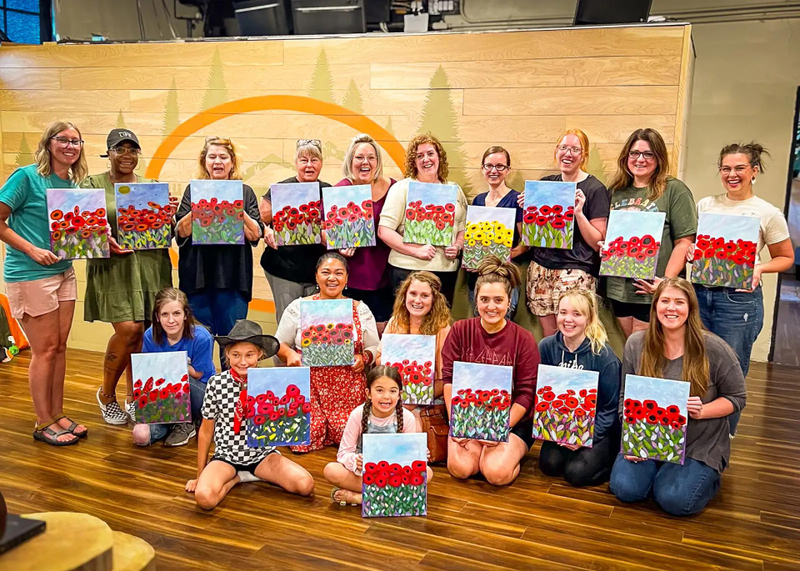
So, you’ve decided to pick up a paintbrush. Exciting, isn’t it? Acrylic painting is one of the most beginner-friendly mediums out there—fast-drying, vibrant, and forgiving enough that even a first-time painter can create something worth hanging up. Whether you’re hoping to relax after work, add a creative hobby to your weekends, or just want to try something new, this acrylic painting for beginners step by step guide will help you turn a blank canvas into something you’ll be proud of.
Step 1: Gather the Essentials (Keep It Simple!)
You don’t need to spend a fortune to get started. A few basic supplies are enough:
- Acrylic paints: Start with a beginner set of primary colors, plus black and white.
- Brushes: A flat brush for backgrounds, a round brush for details, and a small liner for fine lines.
- Canvas or paper: Pre-stretched canvases or acrylic paper pads work perfectly.
- Palette and cup of water: Acrylics dry fast, so you’ll need water handy to keep brushes from stiffening.
- Paper towels or a rag: For quick clean-ups and blotting.
Tip: Don’t overcomplicate your tools. Your creativity matters more than expensive supplies.
Step 2: Learn How Acrylics Behave
Before painting a full picture, play with your paints. Try these quick exercises:
- Add a little water to see how acrylics thin out like watercolor.
- Mix primary colors to discover how many shades you can make.
- Layer paint to watch how fast it dries and how easily you can paint over mistakes.
Understanding how acrylic paint flows will give you confidence for your first real artwork.
Step 3: Sketch a Simple Design
Start with something uncomplicated:
- A sunset with a few silhouettes
- A flower in a vase
- Rolling hills or a calm beach scene
Use a pencil to lightly outline your shapes. No need to get every detail perfect—this is just a roadmap for your brushwork.
Step 4: Paint in Layers
Acrylic painting works best when you build from background to foreground:
- Block in big shapes first using your flat brush.
- Add mid-tones and shadows to create depth.
- Finish with details and highlights to make the artwork pop.
Because acrylics dry so quickly, you won’t have to wait long between steps. And if you make a mistake? Let it dry, paint over it, and no one will know.
Step 5: Add Your Personal Touch
Your painting doesn’t have to look exactly like the tutorial or reference photo. Play with colors, textures, or even the subject. This is your first artwork—it should feel like yours. The more you experiment, the faster you’ll develop your own painting style.
Final Thoughts
Learning acrylic painting for beginners step by step is about exploring, not achieving instant perfection. Every brushstroke is progress, and every “oops” moment is a chance to try again. Whether you’re painting solo at home or joining a creative event with friends, what matters most is the experience of making something by hand.
If you’re looking for guidance, inspiration, or a fun way to paint with others, Artväna | paint and sip night Events is the perfect place to start your journey. Grab a brush, sip something you love, and let your first masterpiece come to life.