


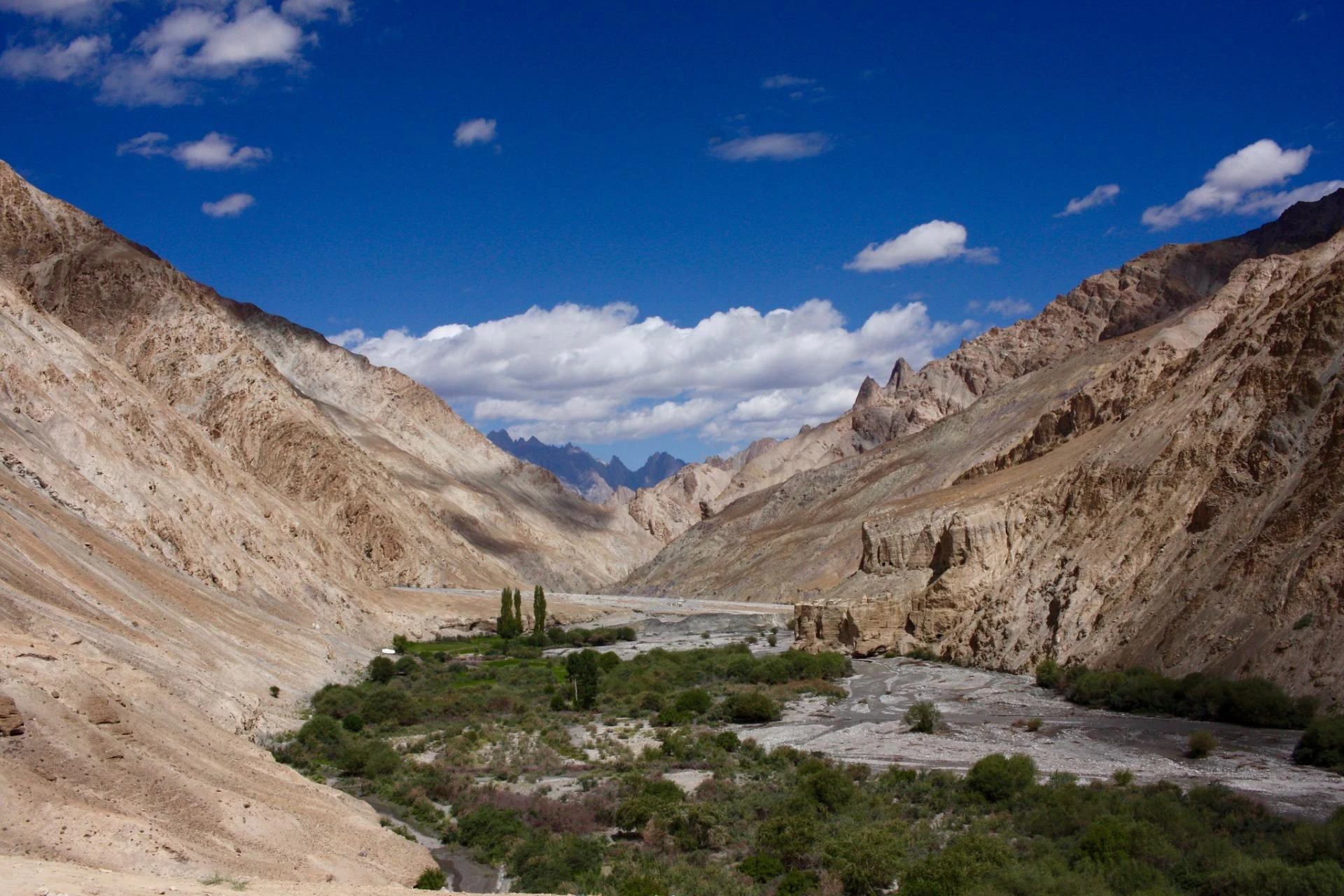
Tucked away in the eastern corner of Ladakh, the Zanskar Valley is one of India’s most remote and breathtaking high-altitude regions. Isolated from the rest of the world for much of the year due to heavy snowfall and challenging terrain, Zanskar is a place where time slows down, landscapes overwhelm the senses, and age-old Tibetan Buddhist traditions are deeply woven into daily life.
A Zanskar Valley trip is more than a road trip — it's a journey into a world of dramatic canyons, glacial rivers, hanging monasteries, and remote villages untouched by the rush of modernity. Whether you're navigating rugged mountain roads or trekking through narrow gorges, Zanskar offers raw, unfiltered Himalayan adventure for those willing to explore beyond the usual routes.
Why Zanskar Valley is a Must-Visit in Ladakh
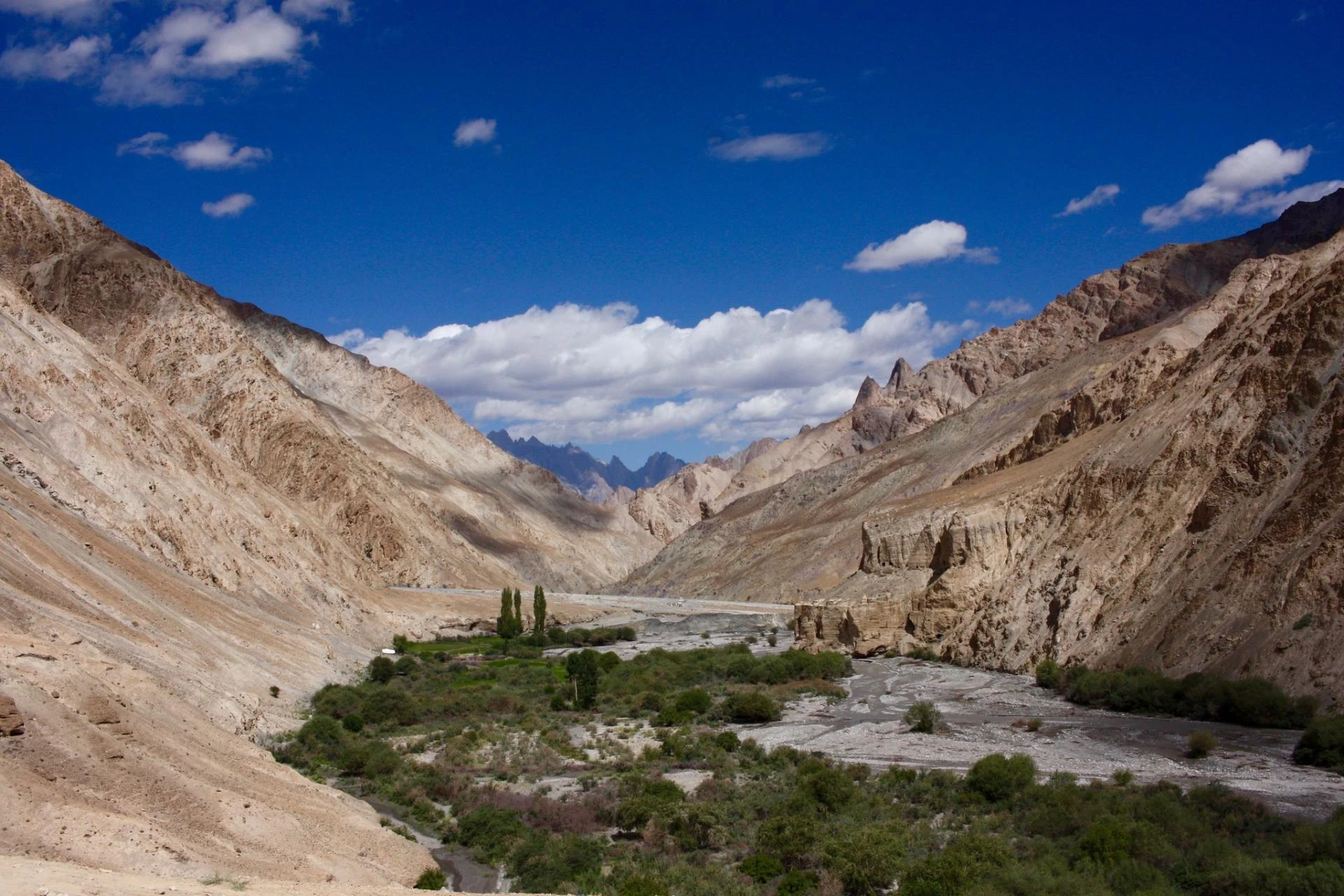
While destinations like Leh, Nubra, and Pangong Lake attract the majority of Ladakh’s visitors, Zanskar remains a hidden gem. That’s part of its charm. The remoteness of Zanskar has preserved its pristine environment and centuries-old culture. Visiting Zanskar is like walking into a living museum of Himalayan heritage, surrounded by some of the most awe-inspiring scenery on Earth.
A Zanskar Valley tour typically includes visits to ancient monasteries like Phuktal and Karsha, scenic drives through the Suru and Stod valleys, and interactions with local communities that still follow traditional ways of life. For photographers, adventurers, bikers, and spiritual seekers, Zanskar is a dream destination.
How to Reach Zanskar Valley
Reaching Zanskar Valley is an adventure in itself. There are two main routes:
- Via Kargil (From Srinagar)
- The most common route is from Srinagar to Kargil, then onwards to Padum (the administrative center of Zanskar) via the Suru Valley. This road opens from June to October and passes through scenic villages like Panikhar, Rangdum, and Parkachik.
- Via Leh and Lingshed (New Road via Singge La)
- A newer route connects Leh to Zanskar through the majestic Singge La pass. This high-altitude road is an engineering marvel and offers travelers a more direct yet adventurous entry into Zanskar.
Due to heavy snowfall, Zanskar remains inaccessible by road from November to May, making summer the ideal season for a Zanskar Valley tour.
Top Attractions in Zanskar Valley
1. Phuktal Monastery
One of the most awe-inspiring attractions in Zanskar Valley is monasteries, Phuktal Gompa is built into a cliffside around a cave, overlooking the Lungnak River. Accessible only on foot, visiting Phuktal involves a trek through remote terrain, but the sight of the monastery seemingly suspended in the mountains is unforgettable.
2. Karsha Monastery
The largest monastery in Zanskar, Karsha Gompa offers panoramic views of the valley and houses a large community of monks. Its whitewashed buildings cascade down the hill in typical Tibetan style.
3. Padum
The administrative capital of Zanskar, Padum is a small but charming town that serves as the base for most tours. It offers basic accommodations, eateries, and serves as a starting point for treks and excursions.
4. Zanskar River
Famous for the Chadar Trek in winter when it freezes solid, the Zanskar River flows dramatically through the valley during summer. Rafting on the Zanskar is possible and offers a thrilling perspective of the gorge.
5. Sani Village & Monastery
One of the few Buddhist sites built on flat ground, Sani Monastery is steeped in legends and is said to be one of the oldest religious sites in Ladakh.
6. Stongdey Monastery
Set on a hilltop with wide valley views, this monastery is known for its beautiful murals and peaceful setting. The annual Gustor Festival held here is a vibrant expression of local culture.
Cultural Significance of Zanskar
Zanskar has a predominantly Tibetan Buddhist population that follows the Drukpa and Gelugpa schools of thought. Religion is a cornerstone of daily life, and this is reflected in the prayer flags fluttering in the wind, mani walls etched with sacred scripts, and the daily rituals practiced by monks and villagers alike.
Festivals such as Gustor, Losar, and Stongdey Cham are celebrated with masked dances, music, and community feasts. These events are not staged for tourists but are genuine cultural expressions that offer insight into the valley’s spiritual richness.
Adventure Activities in Zanskar Valley
Though still relatively untouched by mass tourism, Zanskar is slowly becoming a hub for high-altitude adventure. Activities include:
- Trekking: Trails like the Padum–Lamayuru Trek, Lingshed Trek, and Phuktal Monastery Trek offer challenging yet scenic routes through remote terrain.
- Rafting: The Zanskar River is perfect for white-water rafting during summer.
- Motorbiking: Zanskar is part of many Ladakh motorbike expeditions, especially with the completion of new roads.
- Photography: From surreal landscapes to ancient architecture and unique faces, Zanskar is a paradise for photographers.
Best Time for Zanskar Valley Tour
The best time to visit Zanskar is from late June to mid-September, when roads are open and weather is relatively stable. During this time, the valleys are green, rivers are full, and village life is vibrant.
If you're planning the Chadar Trek, which involves walking on the frozen Zanskar River, then January to February is the right time. However, this is a challenging winter expedition that requires special preparation and gear.
Suggested Zanskar Valley Tour Itinerary (10 Days)
Day 1: Arrive in Leh, rest and acclimatize
Day 2: Explore Leh – monasteries, local markets, and culture
Day 3: Drive to Kargil via Lamayuru (Moonland), overnight in Kargil
Day 4: Drive to Rangdum, visit Rangdum Monastery, camp overnight
Day 5: Drive to Padum via Penzi La, visit Drang Drung Glacier en route
Day 6: Explore Padum – Karsha, Stongdey, and Sani monasteries
Day 7: Trek or drive toward Phuktal Monastery (overnight in nearby village or camp)
Day 8: Return to Padum
Day 9: Drive back to Kargil
Day 10: Return to Leh or continue journey to Srinagar
Tips for Travelers
- Acclimatize properly: Zanskar’s altitude ranges between 3,500–4,500 meters. Spend at least 2 days in Leh before heading in.
- Travel in a sturdy vehicle: Roads can be rough; a 4x4 is ideal.
- Carry essentials: Cash, medicines, snacks, power banks — facilities are limited beyond Padum.
- Respect local culture: Always ask before photographing people or religious sites. Dress modestly.
- Stay connected minimally: Mobile and internet connectivity is sparse. Inform someone before you go offline.
Responsible Travel in Zanskar
Zanskar’s fragile ecosystem and slow-paced life require a sensitive travel approach:
- Use refillable water bottles and avoid plastic.
- Stay in local homestays to support the economy.
- Don’t litter — carry your trash back.
- Travel with local guides and respect their knowledge of the land.
Conclusion
The Zanskar Valley Trip is not just a journey across distance, but across centuries of preserved heritage, unspoiled nature, and unshakeable spirituality. It’s a destination for those who seek deeper connections — with landscapes, people, and themselves.
Far from the buzz of mainstream tourism, Zanskar offers solitude, wonder, and authenticity in generous measure. Whether you’re navigating its winding roads, sitting quietly in a cliffside monastery, or sharing a meal in a humble Ladakhi home, Zanskar leaves its imprint on your soul.