



On paper, Mara did everything right. She followed her training plan, hit her weekly mileage, even sprinkled in speed work before big races. Yet by mile eight of every long run, the same pattern showed up: tight hips, a shortened stride, and an ache that crawled from her lower back into her hamstrings. She assumed she needed more miles, but what she actually needed was better movement.
Across the sport, athletes are discovering that yoga for runners is not a nice-to-have; it is a performance tool. By targeting hip mobility, hamstring length, and core control, yoga builds the foundation that efficient running relies on. The right mix of stretch and strength does not just make runners feel looser. It helps them move faster and recover in time for the next session.
Why Runners Need More Than Miles
Running is a repetitive, linear motion. Step after step, the same muscles fire in the same pattern. Over time, this creates strength in some areas and stiffness in others. Hip flexors shorten, glutes stop firing efficiently, and the lower back absorbs more impact than it should. When that happens, form breaks down, and injuries become more likely.
Yoga interrupts that pattern by asking the body to move in different directions. Rotations, side bends, and controlled transitions wake up underused muscles and lengthen the tissues that running compresses. Runners who add even two sessions a week often notice they stand taller, land more softly, and feel more stable. For athletes looking for structured support, options like yoga classes in Framingham, MA, or specialized yoga classes in Boston make it easier to integrate this work into a regular training schedule.
How Hip Mobility Unlocks Speed
The hips act as the engine of the running stride. When they move well, the leg can extend fully behind the body, the glutes can generate power, and each step becomes a strong, efficient push rather than a shuffling shuffle. When the hips are restricted, runners compensate elsewhere – usually in the knees and lower back.
Yoga postures that target the front and side of the hips are especially valuable. Low lunge variations open the hip flexors and quadriceps. Pigeon-style shapes and figure-four positions work into the outer hip and deep rotators. Over time, this combination allows the pelvis to sit in a more neutral position, which reduces strain and supports a smoother stride. Runners attending yoga classes in Framingham, MA, or yoga classes in Worcester often report that their first noticeable change is not flexibility, but a new feeling of “space” in each step.

Hamstrings, Core, and the Stride Cycle
Many runners blame “tight hamstrings” for every ache, but the story is more complex. Hamstrings often feel tight because they are doing too much. If the glutes or deep core are not engaged, the back line of the body takes over.
Thoughtfully sequenced yoga helps rebalance that system. Half-folds and supported forward bends lengthen the hamstrings without forcing them, while poses like bridge, plank, and side plank teach the glutes and core to contribute more. Strong, responsive core muscles keep the pelvis steady so the legs can move freely underneath.
Studios that understand running mechanics, such as a well-trained Framingham yoga studio, often design classes that weave these patterns together. Runners learn how to feel when their core is actually working, rather than simply “holding on” through effort.
Simple Patterns With Big Impact
The beauty of yoga near Framingham, MA, and in neighboring cities is that it does not require complex choreography. A focused sequence can deliver real benefits when practiced consistently.
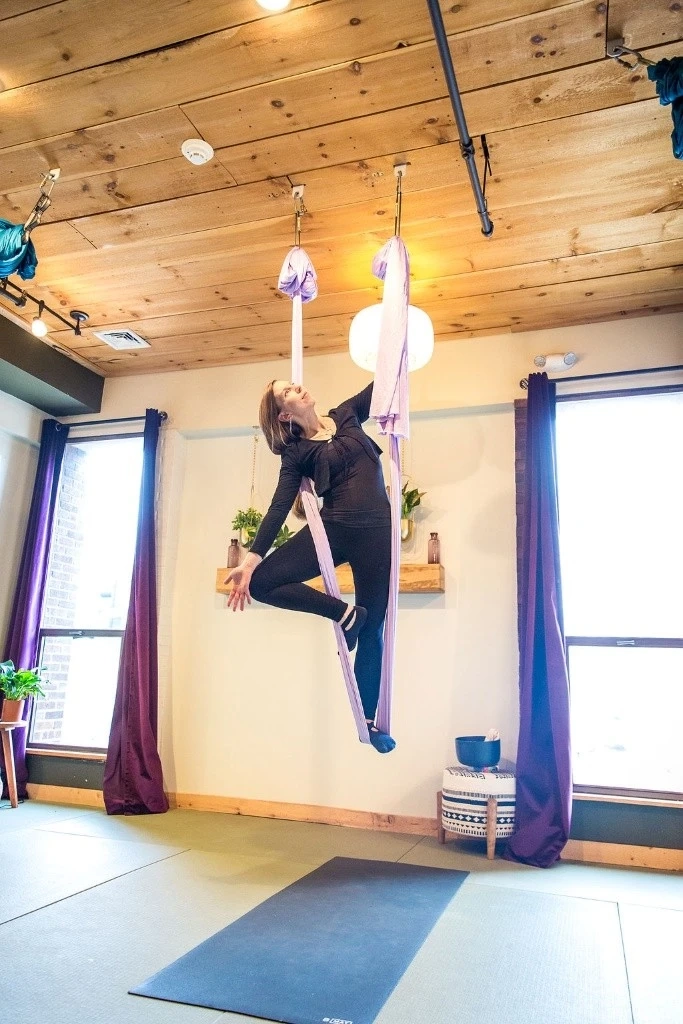
Pre-run, dynamic versions of low lunge, gentle twists, and controlled squats prepare the hips and ankles for impact. Post-run, longer-held shapes like the reclined figure-four, supported bridge, and supine twists allow the nervous system to settle while tissues recover. For runners who enjoy variety, options such as aerial yoga in Boston, Framingham, or Worcester add a playful way to decompress the spine and open the front of the body after long efforts.
The Mental Edge Yoga Gives Runners
Speed is not only physical. Long races and intense training blocks demand focus, patience, and the ability to stay calm when discomfort rises. Yoga trains that mental resilience. Time spent in a challenging pose teaches runners how to breathe steadily, notice sensation without panicking, and choose a measured response instead of a rushed reaction. That same skill set shows up at mile 20 of a marathon or the final lap of a track race. Many coaches now encourage their athletes, including youth programs that offer teens yoga in Framingham, to see yoga as mental training as much as mobility work.
Fitting Yoga Into a Runner’s Week
With mileage, strength work, and life responsibilities, adding another commitment can feel impossible. The key is to view yoga as part of training, not an extra.
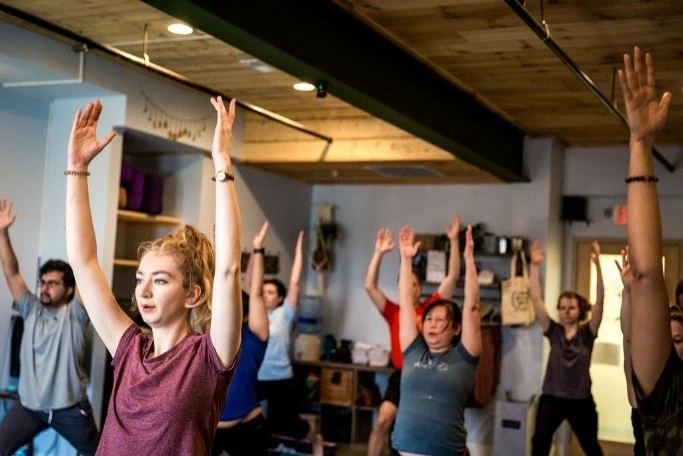
Most athletes see results with two to three short sessions a week. That may mean a twenty-minute mobility sequence after an easy run, a studio class on a rest day, or a brief pre-race warm-up flow. Local options such as yoga classes in Boston or Worcester give runners access to instructors who can help them tailor poses to their training cycle, whether they are building base mileage or tapering for race day.
Build a Runner-Friendly Practice at Common Ground Yoga
Common Ground Yoga understands how deeply running and yoga can support each other. At this welcoming studio, runners find classes designed to improve hip mobility, hamstring health, and core stability without draining their energy for key workouts. Offerings range from functional movement sessions to mobility flows scheduled to work alongside training plans.
Runners can also explore small-group options and aerial classes that create space in the spine and hips after long miles. By integrating yoga into their weekly routine at Common Ground Yoga, athletes gain a stronger stride, smoother recovery, and a sustainable way to keep enjoying the miles for years to come.