



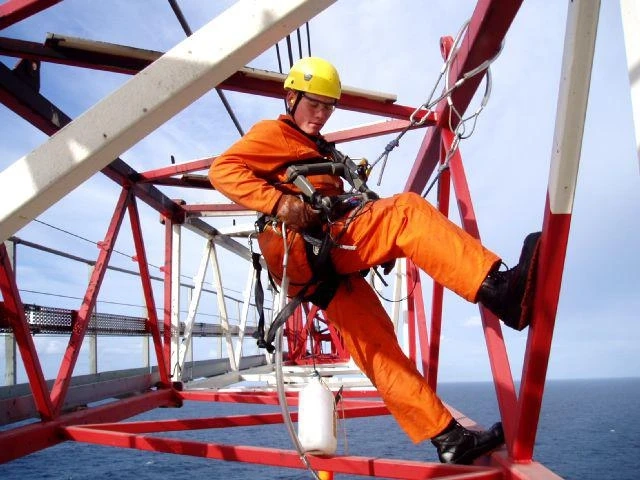
Working at heights training is a critical component of workplace safety in industries like construction, maintenance, telecommunications, and more. Whether you’re an employer or an employee, understanding the risks involved in working at elevated levels — and knowing how to mitigate them — is not just a regulatory requirement but a moral responsibility.
Why Working at Heights Training Matters
Falls from height remain one of the leading causes of serious injuries and fatalities in the workplace. According to safety authorities worldwide, such as OSHA in the U.S. and Safe Work Australia, a significant percentage of work-related injuries involve falls. Most of these incidents are preventable through proper training, equipment, and supervision.
Working at heights training prepares workers to recognize hazards, use safety gear correctly, and adopt procedures that significantly reduce risks. The goal is to build a culture of safety where every team member is equipped to work smart and stay protected.
Who Needs Working at Heights Training?
This training isn’t just for construction workers. It applies to:
- Roofers
- Electricians
- Scaffolders
- Maintenance crews
- Window cleaners
- Warehouse staff using ladders or mezzanines
- Anyone working above ground level
Even a fall from just one meter can result in serious injury. That's why many jurisdictions mandate this training for employees exposed to such risks.
Key Elements of a Quality Working at Heights Training Program
A robust training course should cover both theory and practical components. Look for programs that include:
1. Risk Assessment Techniques
Understanding how to identify and assess fall hazards before starting a task is foundational. Training should teach workers how to spot unsafe conditions and take corrective action.
2. Proper Use of PPE (Personal Protective Equipment)
Harnesses, lanyards, anchor points, helmets — workers need to know not just how to wear these items, but when and why. A good training program includes hands-on practice.
3. Safe Work Procedures
This includes using ladders safely, setting up scaffolding correctly, and knowing when fall arrest systems are required.
4. Emergency Preparedness and Rescue Plans
In case of a fall, prompt and effective rescue is vital. Training should prepare workers to act swiftly and correctly in emergencies.
5. Legal Responsibilities
Training should include the latest regulations from relevant safety authorities so both employers and workers understand their legal duties.
Legal and Regulatory Compliance
Regulations around working at heights vary by country and state. For example:
- In the USA, OSHA mandates fall protection for any work at 6 feet or more in the construction industry.
- In Canada, federal and provincial laws require training and protective systems for heights exceeding 3 meters.
- In Australia, Safe Work Australia’s Code of Practice specifies controls for work at any height where there’s a risk of falling.
Non-compliance can lead to heavy fines, stop-work orders, or even criminal charges in the case of serious accidents. Investing in compliant working at heights training is a legal and ethical imperative.
Benefits of Working at Heights Training
1. Reduced Workplace Accidents
Proper training drastically lowers the chances of falls, injuries, and fatalities.
2. Higher Productivity
Confident, well-trained workers can perform tasks more efficiently without compromising safety.
3. Lower Insurance Premiums
Fewer accidents mean fewer claims, which can reduce your insurance costs over time.
4. Improved Reputation
A company known for safety attracts better talent and earns greater trust from clients and partners.
In-House vs. Outsourced Training
You can conduct training in-house if you have certified instructors and proper resources. However, many organizations opt for third-party training providers who specialize in working at heights safety. The advantages of outsourcing include:
- Access to experienced trainers
- Updated curriculum aligned with current legislation
- Certification recognized by regulatory bodies
When choosing a provider, look for:
- Nationally or regionally accredited programs
- Flexible training formats (on-site or online theory with practical assessment)
- Real-world simulations and assessments
How Often Should Refresher Training Be Done?
Refresher courses are essential, especially if:
- A worker has not performed height work in over a year
- There have been updates in regulations
- Equipment or procedures have changed
Most experts recommend retraining every 2–3 years or sooner if risk levels increase.
Common Myths About Working at Heights Training
“It’s just common sense.”
While caution is helpful, working at heights involves specific risks and procedures that go beyond intuition.
“We’ve never had an accident, so we’re safe.”
A clean record doesn’t guarantee future safety. Regular training ensures preparedness and ongoing compliance.
“It’s too expensive and time-consuming.”
In comparison to the costs of injury claims, legal fees, and reputational damage, investing in training is highly cost-effective.
Conclusion: Stay Compliant, Stay Safe
Working at heights training isn’t just about meeting legal requirements — it’s about protecting lives. Whether you're responsible for a team or working at heights yourself, proper training reduces risks, improves safety culture, and builds a more efficient workplace.
Contact us today! Let’s ensure your team is fully prepared, compliant, and confident when working at heights.