



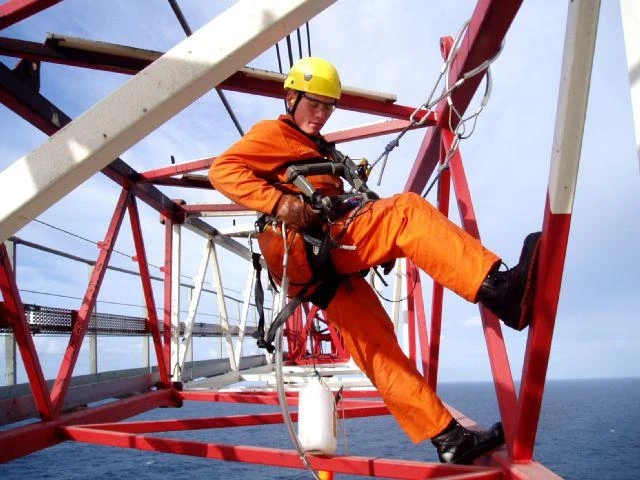
Working at heights course training is essential for anyone who works above ground level, whether on scaffolding, ladders, rooftops, or elevated platforms. Falls from height remain one of the leading causes of serious workplace injuries and fatalities. That’s why proper training is not just a legal requirement in many regions—it's a critical part of workplace safety. This comprehensive guide will explore everything you need to know about working at heights courses, who needs them, what's involved, and how to get certified.
What Is a Working at Heights Course?
A working at heights course is a formal training program designed to educate employees on the risks of working above ground and how to mitigate those risks. The course typically covers:
- Fall prevention strategies
- Safe use of ladders, scaffolds, and platforms
- Personal Protective Equipment (PPE) use
- Emergency procedures
- Legal and regulatory compliance
This type of training is essential for construction workers, maintenance personnel, window cleaners, and anyone working at elevation.
Why Is Working at Heights Training Important?
Falls from height are responsible for a significant number of workplace injuries each year. According to safety organizations and workplace health agencies, many of these incidents are preventable with the right education and equipment. Here are some key reasons why this course is crucial:
- Legal Compliance: Many countries require workers to complete height safety training before working above a certain elevation.
- Risk Reduction: Proper training dramatically reduces the chances of falls and other accidents.
- Improved Confidence: Workers who know how to use safety gear and follow procedures are more confident and effective.
- Cost Savings: Avoiding injuries also means avoiding compensation claims, lawsuits, and project delays.
Who Needs to Take a Working at Heights Course?
A working at heights course is essential for anyone whose job involves being off the ground. This includes:
- Construction workers
- Roofers
- Electricians
- Painters
- Window cleaners
- Telecommunications and utility workers
- Maintenance staff
In many jurisdictions, both employers and employees have a legal responsibility to ensure that workers receive adequate training before performing tasks at height.
What Will You Learn?
The curriculum of a working at heights course is usually divided into theoretical and practical components. Topics generally include:
1. Risk Assessment
Understanding potential hazards before starting any task at height.
2. Fall Prevention
Using guardrails, barriers, and proper procedures to avoid fall incidents.
3. Fall Arrest Systems
Correctly wearing and inspecting harnesses, lanyards, and anchor points.
4. Use of Ladders and Scaffolds
Learning to set up, inspect, and work safely using elevated access equipment.
5. Emergency Planning
What to do in case of a fall, including rescue techniques and first aid.
Online vs. In-Person Training
Both online and in-person options are available, and each has its benefits.
- Online Courses: Ideal for theory, flexible scheduling, cost-effective.
- In-Person Training: Offers hands-on experience and practical demonstrations.
Many accredited programs combine both methods for a comprehensive learning experience.
Certification and Validity
Upon successful completion of a working at heights course, participants receive a certificate that is usually valid for a specific period (often 2–3 years). It is important to keep this certification current, as safety practices and regulations evolve.
Employers should also maintain training records to demonstrate compliance during audits or inspections.
How to Choose the Right Training Provider
Not all courses are created equal. When choosing a training provider, consider the following:
- Accreditation: Ensure the course meets national or regional safety standards.
- Experienced Instructors: Trainers with real-world experience offer valuable insights.
- Practical Training: Hands-on components are essential for effective learning.
- Course Reviews: Look at feedback from previous participants.
- Support Materials: Good providers offer resources like manuals and refresher guides.
Costs and ROI
The cost of a working at heights course varies depending on location, duration, and course content. However, the return on investment (ROI) is clear. Employers benefit from:
- Reduced accident rates
- Lower insurance premiums
- Better project efficiency
- A more confident and competent workforce
Workers benefit from improved safety, greater job opportunities, and better awareness of workplace responsibilities.
Legal Obligations
In many countries, failing to provide proper training can result in heavy fines or even criminal charges for employers. Legal frameworks such as OSHA (USA), WHS (Australia), and HSE (UK) all require height safety training. Understanding the specific laws in your region is critical to maintaining compliance.
Conclusion
Working at heights course training is not just a box to tick—it's a life-saving measure that protects workers and businesses alike. From risk assessments to emergency planning, the right training empowers individuals to work confidently and safely above ground level. Whether you’re an employer seeking to stay compliant or an employee wanting to enhance your skills, investing in proper training is essential.
Contact us today! Let our certified trainers guide you or your team through comprehensive, up-to-date height safety training. Your safety is our priority.