



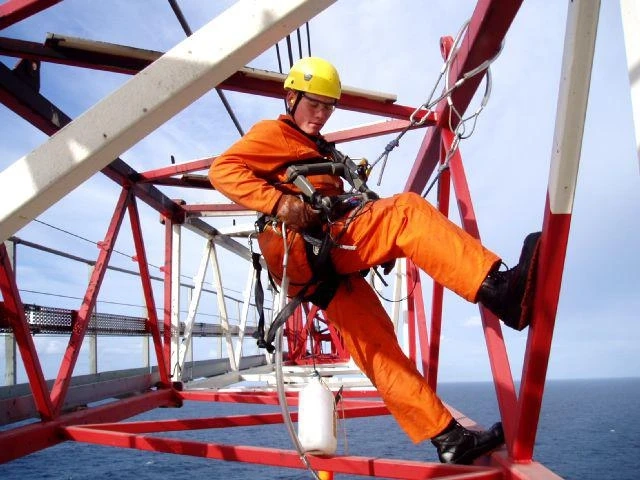
Working at heights certificate is the first and most important requirement for anyone involved in tasks that expose them to fall hazards, especially in industries like construction, maintenance, warehousing, and telecommunications. In Ontario and many other regions, having this certificate is not just good practice—it’s the law. Whether you're an employer ensuring your team’s compliance or a worker seeking job opportunities, obtaining a valid working at heights certificate is crucial for safety, legality, and career growth.
Why the Working at Heights Certificate Is So Important
Working at heights is inherently risky. Falls are among the top causes of workplace injuries and fatalities. To address this, provincial and federal authorities have enforced mandatory training and certification to ensure that workers understand fall hazards and know how to prevent them.
The Working at Heights Certificate confirms that an individual has undergone proper safety training and understands how to:
- Use fall protection equipment
- Identify fall hazards in the workplace
- Respond to emergencies
- Use ladders, scaffolding, and aerial lifts safely
- Follow safety protocols as mandated by legislation (e.g., OHSA in Ontario)
This certification isn’t just about ticking a compliance checkbox—it’s about saving lives and minimizing risk.
Who Needs a Working at Heights Certificate?
In Ontario, anyone who works at a height of more than 3 meters (approximately 10 feet) is legally required to have valid working at heights training. This includes, but is not limited to:
- Construction workers
- Roofers
- Scaffold installers
- HVAC technicians
- Painters working on elevated surfaces
- Window cleaners operating on high-rise buildings
- Maintenance personnel
Employers are also responsible for ensuring that their workers hold a valid, up-to-date working at heights certificate and receive refresher training when necessary.
What Does the Training Include?
To receive your working at heights certificate, you must complete a comprehensive training program approved by the Chief Prevention Officer (CPO) in Ontario or the equivalent authority in your region. A standard course includes:
- Theory Component (In-Class or Online):
- Rights and responsibilities under the Occupational Health and Safety Act
- Fall hazard recognition and assessment
- Proper use of ladders and scaffolds
- Emergency preparedness and response
- Practical Component (In-Person):
- Harness fitting and inspection
- Lanyard and anchor use
- Controlled descent and rescue scenarios
- Fall arrest and travel restraint systems
Upon successful completion, participants receive a working at heights certificate, valid for three years from the date of issuance.
How to Get a Working at Heights Certificate in Toronto (or Anywhere in Ontario)
If you're based in Toronto or nearby regions, there are several CPO-approved training providers offering full-day or two-day certification programs. Here's a quick step-by-step guide:
- Choose a CPO-Approved Provider:
- Make sure the training provider is recognized by the Ontario Ministry of Labour.
- Book Your Training:
- You can often register online for in-person sessions or blended learning.
- Attend the Training:
- Most courses last between 6–8 hours and include hands-on demonstrations.
- Pass the Evaluation:
- Both the theoretical and practical components require evaluation to ensure competency.
- Receive Your Certificate:
- Once certified, your training will be logged in the Ministry of Labour’s system, and you’ll receive a physical or digital certificate.
Benefits of Getting Certified
A working at heights certificate opens several doors and ensures peace of mind, both legally and professionally:
- Job Eligibility: Many employers won’t hire without this certificate.
- Improved Safety Culture: Workers become more aware of risks and proper safety practices.
- Legal Compliance: Avoid penalties or shutdowns due to non-compliance.
- Insurance Requirements: Certification often satisfies insurance policy conditions.
Refresher Training: Stay Up-to-Date
Certificates expire after 3 years, so refresher training is essential. The refresher course is shorter (approximately 4 hours) but still includes a practical component and must be taken before your current certificate expires.
Failing to renew your certificate means you may be removed from job sites or face fines. Many training providers offer reminders and easy booking options for refresher courses.
Choosing the Right Training Provider in Toronto
If you're searching for working at heights training in Toronto, make sure to check for:
- CPO accreditation
- Positive reviews from past trainees
- Experienced instructors
- Quality of practical training setup
- Options for corporate or group training
Some providers also offer packages with additional certifications like WHMIS, Confined Space Entry, and First Aid, which can be valuable for broader job roles.
Working at Heights Certificate vs. Fall Protection Training
While both are safety-related, fall protection training is usually more basic and often not sufficient for meeting the legal requirement in Ontario. Working at heights certification is far more comprehensive and legally mandated for construction and many industrial sectors.
Always confirm which type of training is required for your specific role or job site.
Conclusion: Get Certified and Stay Safe
Working at heights certificate is not just a document—it’s a commitment to safety, professionalism, and legal compliance. Whether you're an individual worker or an employer responsible for a team, investing in proper training is essential for long-term success and security on the job.
Contact us today! Let us help you or your team get certified and compliant with Ontario’s working at heights safety standards.