



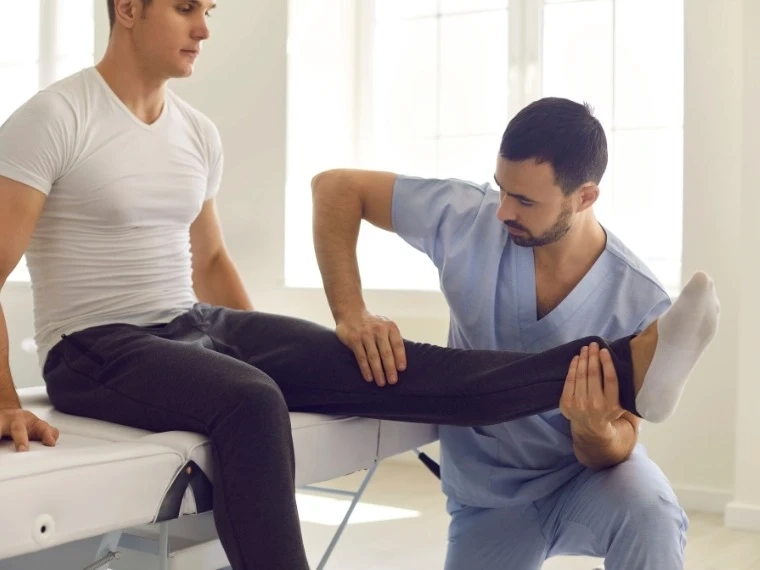
Winter can be beautiful, but it often brings stiff and sore joints, especially in the knees. Cold weather can make pain, swelling, and stiffness more noticeable, turning simple activities like walking or climbing stairs into a challenge. Many people ignore these signs, thinking it’s just part of getting older or seasonal discomfort, but this can lead to more serious problems over time. Understanding why knee pain worsens in winter and knowing when to seek professional help can make a real difference in staying active and comfortable.
Why Does Knee Pain Worsen in Winter?
Knee pain can get worse in winter as cold makes joints stiff and circulation slower. Persistent pain should be checked by an orthopedic doctor in Ahmedabad to prevent further complications.
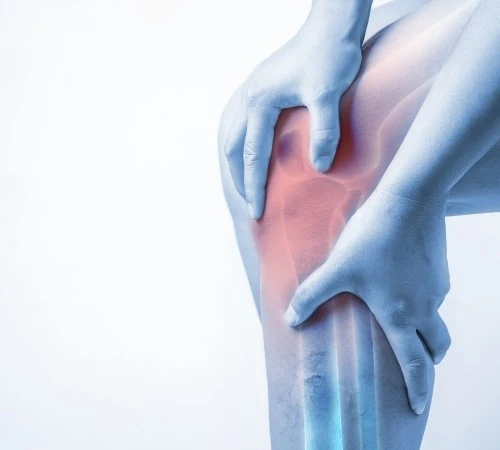
Reduced Blood Circulation and Joint Stiffness
Cold temperatures cause blood vessels to constrict, limiting blood flow to extremities. This can reduce oxygen and nutrient delivery to the joints, making them stiffer and more prone to pain. Even simple movements can feel more difficult, and muscles supporting the knees may tighten up, amplifying discomfort.
Changes in Barometric Pressure
Fluctuations in barometric pressure, common during winter, can aggravate inflammation in sensitive joints. Those with existing conditions such as arthritis often notice increased swelling or tenderness during periods of rapid weather change.
Sedentary Lifestyle
Shorter days and colder temperatures encourage a more sedentary lifestyle. Reduced physical activity can weaken muscles supporting the knees, increasing the likelihood of stiffness, instability, and pain.
Common Knee Conditions
1. Osteoarthritis
Osteoarthritis occurs when the cartilage cushioning the joints gradually wears away. This leads to pain, stiffness, swelling, and reduced mobility. Cold weather often makes these symptoms more noticeable, causing discomfort while walking, climbing stairs, or even sitting for long periods.
2. Rheumatoid Arthritis (RA)
RA is an autoimmune condition where the body attacks joint tissues, causing inflammation. Cold and damp conditions can worsen RA flare-ups, leading to swelling, pain, and stiffness, particularly in the morning or after periods of inactivity.
3. Knee Bursitis
Bursitis is the inflammation of bursae, the small fluid-filled sacs that cushion the knee. In winter, it can cause sharp pain, stiffness, and tenderness, particularly after sitting for long periods or making sudden movements.
4. Patellar Tendinitis
Patellar tendinitis is an overuse injury of the tendon connecting the kneecap to the shinbone. During cold weather, the tendon can become stiff and sore, reducing flexibility and making movement more uncomfortable.
Practical Tips: How to Reduce Knee Joint Pain at Home
Winter joint pain can make everyday activities challenging, but simple lifestyle changes can make a difference. Keeping your knees warm, staying active with gentle exercises, and drinking enough water can help reduce stiffness. Including a balanced diet and ensuring adequate vitamin D intake can further support joint health and ease discomfort during the colder months.
- Dress in layers: Keeping your knees and surrounding muscles warm helps reduce stiffness. Thermal leggings or supportive wraps can maintain heat and improve blood flow.
- Stay active indoors: Low-impact exercises, like yoga, swimming, or stationary cycling, maintain joint flexibility without overstraining the knees. Regular movement prevents muscles from weakening and joints from stiffening further.
- Hydration is key: Drinking enough water ensures your joints stay lubricated, reducing friction and pain. Even mild dehydration can exacerbate stiffness, particularly in colder months.
- Diet and nutrition: Incorporate anti-inflammatory foods such as turmeric, ginger, leafy greens, and fatty fish. These nutrients help reduce swelling and may alleviate discomfort naturally.
- Vitamin D intake: Winter often brings limited sun exposure, affecting vitamin D levels essential for bone health. Supplements or fortified foods can help maintain strong bones and reduce winter-related joint issues.
How Cold Weather Affects Joint Health
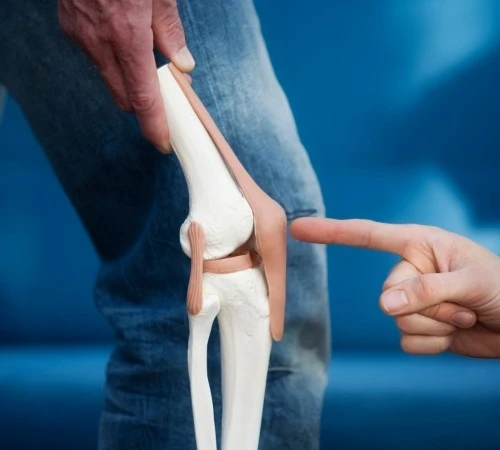
Winter doesn’t just make your knees ache; it can affect your overall joint health. Cold temperatures cause muscles and tendons to tighten, which increases pressure on the joints. Lower activity levels during winter can weaken muscles around the knees, making them more prone to injury. Even minor stiffness can snowball into chronic pain if ignored. Simple habits like gentle stretching, indoor exercises, and keeping joints warm can help prevent winter from worsening knee or joint problems.
When Should You See a Joint Pain Doctor?
Sometimes, even with home care, knee pain needs professional attention. If your pain doesn’t improve with rest, swelling or redness appears, or you find it hard to walk or move, it’s time to consult a doctor. Serious problems like severe osteoarthritis, torn ligaments, or long-term cartilage damage also need prompt evaluation.
Treatments such as knee replacement can provide lasting relief. Consulting an orthopedic specialist or a top knee replacement doctor provides tailored treatment, quicker recovery, and improved joint function.
Frequently Asked Questions
1. Why does joint pain increase during winter?
Cold weather causes muscles to tighten and joints to stiffen. Reduced blood circulation and barometric changes can aggravate existing inflammation, leading to increased pain.
2. How can I stop joint pain permanently?
Permanent relief may not always be possible, but consistent prevention helps. Maintain an active lifestyle, eat anti-inflammatory foods, keep joints warm, and consult specialists for personalized care. Timely interventions like physiotherapy or knee replacement by the best doctor for knee replacement in Ahmedabad can prevent complications.
3. How does joint pain usually show up during cold weather?
Common symptoms of joint pain in cold weather include swelling, stiffness (especially in the morning), crackling or popping sounds, and a limited range of motion.
4. Can winter joint pain be prevented naturally?
Yes, staying active, keeping joints warm, and eating anti-inflammatory foods can help reduce winter joint pain. If the pain persists or worsens, it’s best to consult a doctor for proper evaluation and care.
Conclusion
Winter can make joint pain worse, but early awareness and proper care can prevent long-term problems. Keeping track of symptoms, staying active, and following a healthy diet are essential for joint health. If pain continues or movement becomes difficult, consulting a specialist is important. Dr. Meet Mehta offers expert guidance and personalised treatment plans, helping patients manage chronic knee pain effectively. With advanced techniques and tailored recommendations, patients can improve joint function, reduce discomfort, and maintain an active, healthy lifestyle throughout the winter months.