


Rajasthan is a land of vivid contrasts, where the arid golden sands of the Thar Desert meet the lush, rugged greenery of the Aravalli and Vindhya hill ranges. While the state is globally renowned for its regal forts and palaces, it also serves as a premier sanctuary for India’s most iconic predator: the Royal Bengal Tiger. For those planning a wilderness getaway, staying at a comfortable resort in Ranthambore provides the perfect base to explore these ancient hunting grounds. Rajasthan’s dedication to conservation has turned its national parks into thriving ecosystems where biodiversity flourishes amidst historical ruins.
Ranthambore National Park: The Jewel of Sawai Madhopur
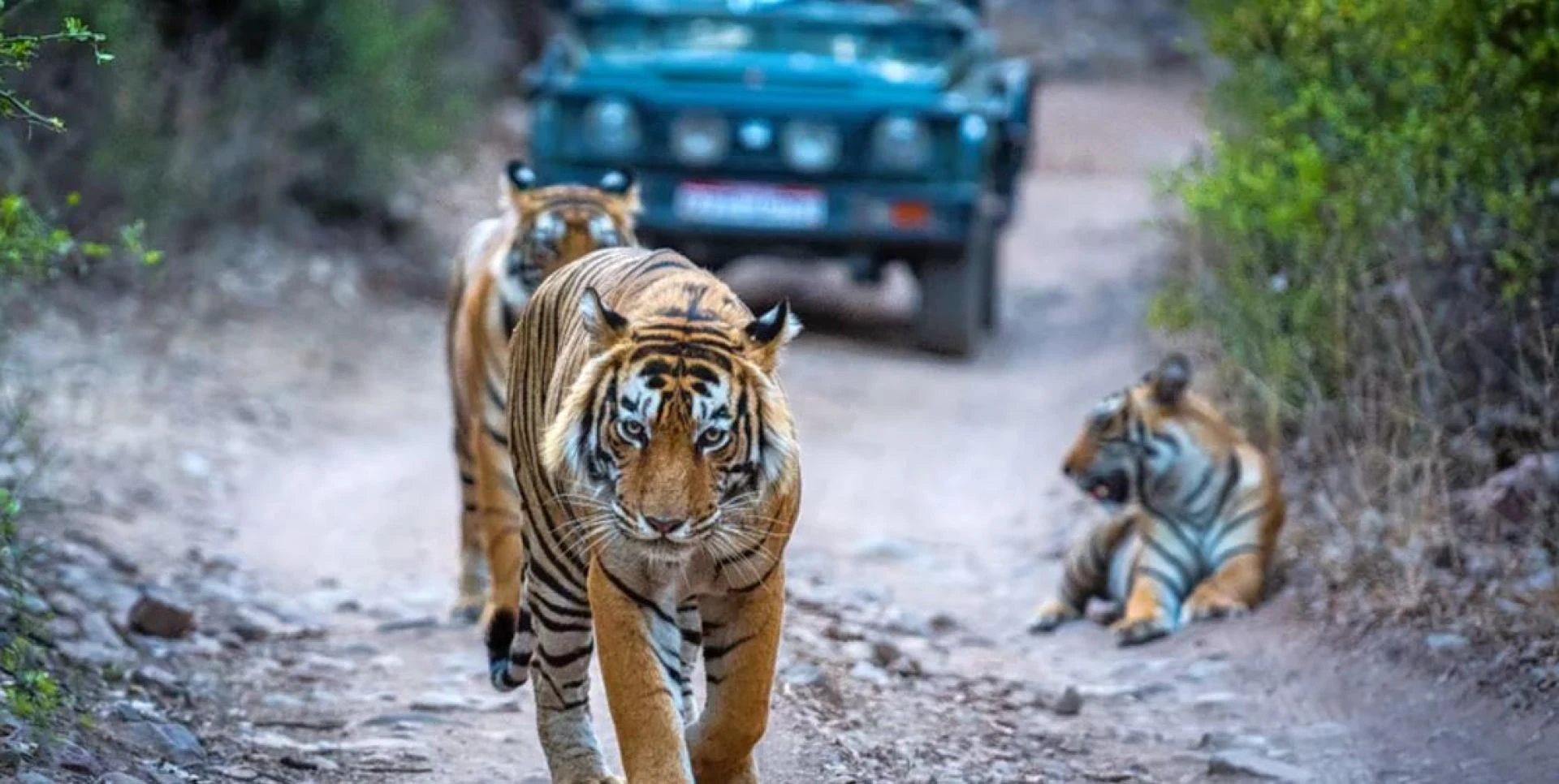
Ranthambore is arguably the most famous tiger reserve in Northern India. What makes it unique is the seamless blend of nature and history. The park is dotted with ancient ruins, including the formidable Ranthambore Fort, which overlooks the entire forest. Tigers here are known for being relatively accustomed to human presence, often seen basking in the sun near the Padam Talao lake or prowling through the Raj Bagh ruins.
Because the park is divided into several zones, each offering a different landscape—from deep forest to open grassy meadows—the sightings are diverse. Beyond tigers, you can spot leopards, caracals, sloth bears, and striped hyenas. To make the most of your wildlife safari, understanding the Best Time to Visit Ranthambore is essential, as the park remains closed during the monsoon months and offers different experiences during the peak winter and summer seasons.
Sariska Tiger Reserve: A Story of Resurgence
Located in the Alwar district, Sariska Tiger Reserve is another top-rated destination for wildlife enthusiasts. It holds a significant place in conservation history as the first reserve in the world to successfully relocate tigers. The terrain here is dominated by sharp cliffs and narrow valleys of the Aravalli range.
Sariska is not just about the big cats; it is a paradise for birdwatchers and those interested in silvic flora. The presence of the Kankanwari Fort within the reserve adds a layer of mystery to the safari experience. While tiger sightings can be more challenging here compared to Ranthambore due to the dense foliage, the raw, untouched feel of Sariska makes every glimpse of a predator feel like a hard-earned reward.
Mukundra Hills Tiger Reserve: The New Frontier
Mukundra Hills, situated near Kota, is the third tiger reserve in Rajasthan. It consists of three wildlife sanctuaries: Darrah, Jawahar Sagar, and Chambal. This park offers a different aesthetic altogether, with the Chambal River snaking through the landscape. The reserve was established to provide a secondary habitat for tigers and to reduce the territorial pressure on Ranthambore.
The hills are densely forested and provide a rugged terrain that is ideal for leopards and various species of deer. While it is still developing its reputation compared to its older cousins, Mukundra is the place for travelers who want to avoid the crowds and experience a quieter, more experimental side of Rajasthan’s wilderness.
Planning Your Wilderness Escape
Exploring these parks requires careful planning to ensure both comfort and maximum wildlife exposure. For couples looking for a romantic yet adventurous retreat, many travelers opt for a Ranthambore 2N 3D Couple Package to balance safari drives with relaxed evenings in the heart of the jungle.
When visiting these national parks, it is crucial to follow ethical wildlife viewing practices. Maintaining silence during safaris, avoiding the use of flash photography, and respecting the animal's space are all part of being a responsible traveler. The expertise of local naturalists and guides is invaluable; they understand the alarm calls of langurs and deer, which often signal the movement of a tiger nearby.
Biodiversity Beyond the Big Cats
While the tiger is the undisputed star, Rajasthan’s national parks host an incredible array of other species. The wetlands of these reserves attract a variety of migratory birds during the winter months, including pelicans, flamingos, and various species of storks. The Mugger crocodiles found in the lakes of Ranthambore are also a sight to behold, often seen sunning themselves on the banks alongside turtles.
The vegetation varies from dry deciduous forests to open scrublands, providing a home to the Chinkara (Indian Gazelle), Nilgai (Blue Bull), and the Sambar deer. Observing the hierarchy of the jungle—from the smallest insect to the apex predator—offers a profound perspective on the delicate balance of our natural world.
Conclusion
Rajasthan offers a wildlife experience that is deeply rooted in the soil of its heritage. Whether you are traversing the rocky plateaus of Ranthambore or the valley floors of Sariska, the thrill of the wild is palpable. These top-rated national parks are not just tourist destinations; they are vital lungs for the planet and sanctuaries for species that define the spirit of the Indian wilderness. By choosing the right season and the right guided experience, you ensure a journey that is as educational as it is exhilarating.