


Your legs don’t usually send dramatic announcements. They don’t tap you on the shoulder and say, “Hey, something’s changing down here.” Instead, they whisper. A little heaviness at the end of the day. Shoes that feel tighter by evening. That strange urge to prop your feet up like they’ve worked a double shift without telling you. Most people shrug it off. Bad sleep, long day, wrong shoes. Totally reasonable guesses. But sometimes that heavy-leg feeling is the opening scene of a longer story.
Varicose veins rarely start with visible drama. They begin quietly, long before anything twists or darkens on the surface. And because nothing looks wrong yet, it’s easy to ignore what your body is hinting at.
The “Why Do My Legs Feel Like This?” Phase
That heavy sensation isn’t just tiredness. It’s more like your legs are filled with wet sand by late afternoon. Standing too long makes it worse. Sitting too long doesn’t help either. Walking around brings mild relief, but it never fully resets things.
This is often when circulation is starting to struggle. Blood has to work harder to move upward, and your legs feel the effort. It’s subtle, inconvenient, and very easy to dismiss—until you notice it keeps happening.
Swelling That Comes and Goes
At first, swelling plays peekaboo. Ankles puff up by evening, then magically disappear overnight. Socks leave little impressions, like your skin briefly forgot how elastic it is. You tell yourself it’s salt, or heat, or aging, doing what aging does.
The thing is, swelling that follows a predictable pattern isn’t random. It’s information. And when it keeps repeating, your legs are basically saying, “Hey, we’re under pressure down here.”
The Itch, the Tingle, the Weird Sensations
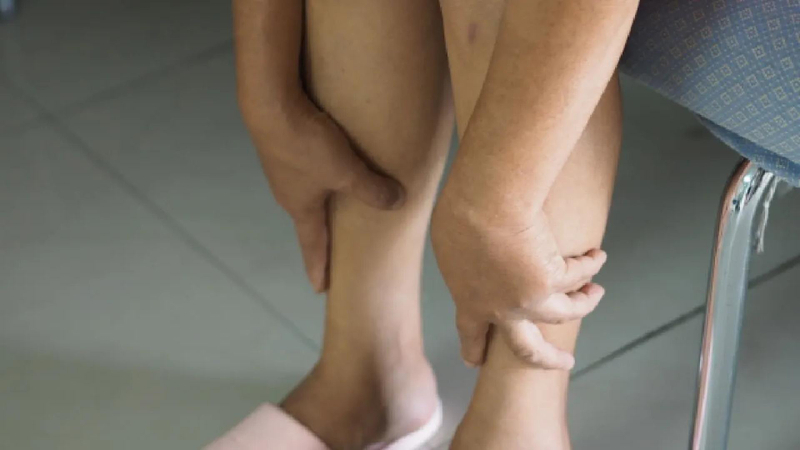
This part catches people off guard. Legs can itch without a rash. They might tingle or feel warm for no obvious reason. Some describe it as buzzing, others as a low-grade irritation that makes you rub your calves absentmindedly.
A lot of people start reading late-night articles at this point, casually stumbling onto information about varicose veins removal and realizing the symptoms sound uncomfortably familiar. Not alarming—just eye-opening.
Skin Changes Before Veins Take Center Stage
Long before veins bulge, skin can change its mood. It might feel tighter, drier, or oddly sensitive. Shaving becomes annoying. Lotions stop doing their job. Sometimes, faint discoloration shows up, easy to miss unless you’re really looking.
These shifts don’t happen overnight. They creep. And because they’re gradual, your brain adapts faster than your legs do. It’s often only after seeing photos or reading about varicose veins removal that people connect these small dots.
Nighttime Leg Drama
Rest should feel restful. But aching legs at night tell a different story. You lie down, expecting relief, and instead feel throbbing, restlessness, or an urge to constantly change positions. Elevating your legs suddenly feels amazing, which is… telling.
This is your circulation waving a tiny white flag. Gravity has been doing most of the work all day, and once it’s gone, the imbalance becomes obvious.
Why Waiting Feels Easier, But Isn’t Always Kinder
No visible veins means no urgency, right? That’s the trap. Early symptoms don’t look serious, so they don’t feel serious. Life stays busy. You adjust. You cope. You normalize discomfort that wasn’t part of the deal before.
Then one day, someone mentions treatment options, or you catch yourself seriously reading about varicose veins removal, not out of vanity, but out of curiosity and quiet relief that there’s a name for what you’ve been feeling.
Paying Attention Without Panicking
Not every heavy leg leads to big problems. But patterns matter. Repetition matters. Bodies don’t send signals for entertainment; they’re efficient like that. Listening early doesn’t mean jumping to worst-case scenarios. It means staying curious and informed.
And honestly, there’s something empowering about noticing changes before they become unavoidable. It gives you options. Time. Control.