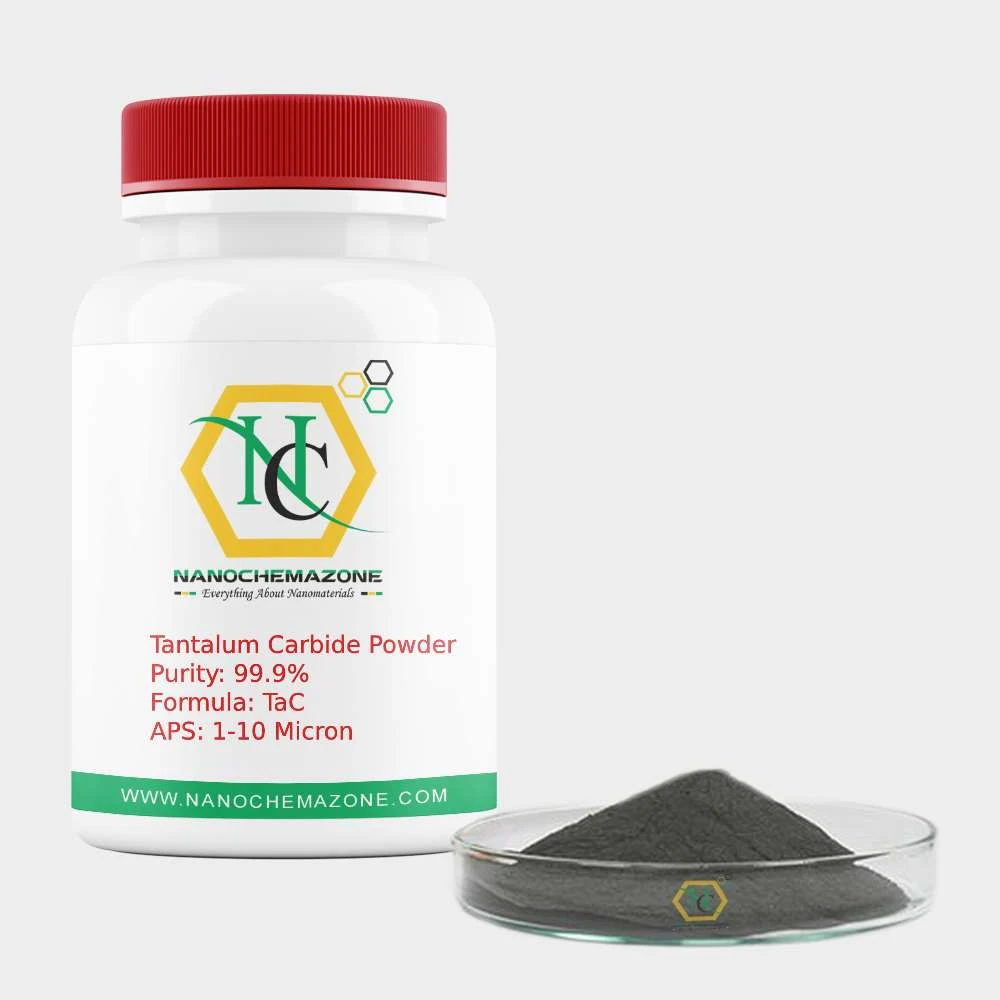
High-temperature engineering is one of the most demanding fields in the world of materials science. Whether it involves aerospace components, industrial cutting tools, or next-generation electronics, engineers are constantly searching for materials that can survive extreme heat, pressure, and wear. In this search, one material consistently stands out because of its unique balance of strength, thermal stability, and performance—tantalum carbide powder. Its growing demand across advanced industries shows how essential ultra-hard, heat-resistant ceramics have become in modern manufacturing and research. Tantalum carbide powder offers a rare combination of hardness and thermal resistance that few materials can match. Its exceptionally high melting point makes it valuable for components that must retain structural integrity even when exposed to extreme temperatures. Industries working with thermal shock, rapid heating cycles, and abrasive environments rely on this material because it resists deformation and maintains its chemical stability. This makes it ideal for applications such as high-performance nozzles, thermal barrier layers, and wear-resistant coatings where failure is not an option.
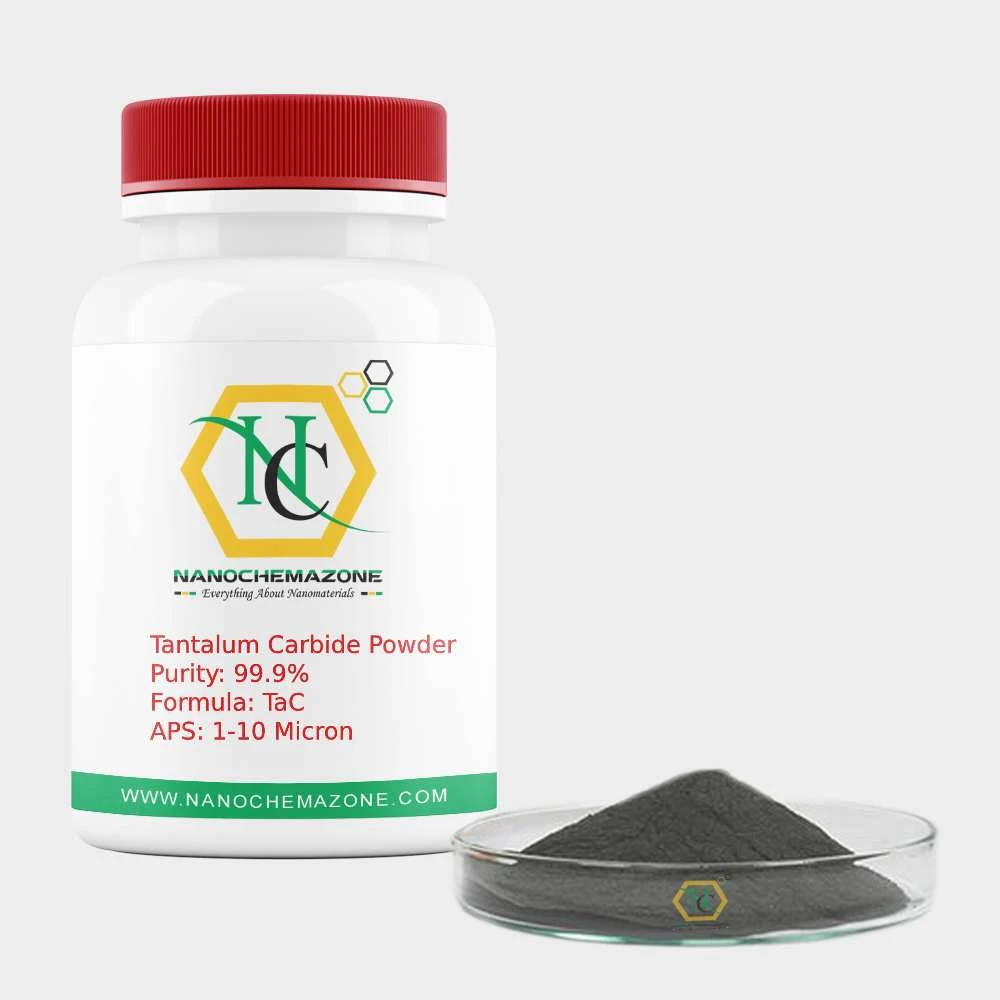
One of the reasons this material stands out is its ability to maintain consistent performance under mechanical stress. Traditional metals or ceramics may suffer from cracking, oxidation, or thermal degradation when pushed beyond their limit. With tantalum carbide powder, these issues are significantly reduced because of its strong atomic bonding and excellent heat tolerance. This is why high-precision cutting tools, industrial drills, and abrasion-resistant parts often integrate this compound into their design. Its hardness helps improve tool life, reduces replacement cycles, and ensures consistent machining performance even under harsh industrial conditions.
Another advanced material that often complements research in extreme-temperature ceramics is hafnium tantalum carbide. Known for having one of the highest melting points ever recorded among ceramic materials, it has gained attention for futuristic applications like hypersonic vehicles and advanced thermal protection systems. Engineers exploring ultra-high-temperature ceramics frequently evaluate this material when designing parts that must endure intense aerodynamic heating or prolonged exposure to extreme environments. This emerging class of materials is pushing the boundaries of what is possible in aerospace and defense, demonstrating how carbide-based compounds are shaping the future of engineering.
Beyond high-temperature applications, advanced materials research often intersects with polymer science, especially when industries compare performance costs for different materials. In many market evaluations, thermoplastic polyurethane price becomes an important factor for companies seeking flexible, durable, and transparent polymers. While this polymer has very different characteristics compared to high-temperature ceramics, industries often analyze both materials when assessing cost-to-performance ratios for specialized components. This connection highlights how material selection today requires a broad understanding of mechanical, thermal, and economic considerations to meet production goals.
One of the major reasons tantalum carbide continues to gain prominence is its versatility. It performs exceptionally well not only in extreme heat but also in environments where corrosion, wear, or chemical exposure are concerns. This makes it suitable for furnace components, diffusion barriers, and high-stress engineering parts. The combination of electrical conductivity and thermal resistance also allows researchers to explore its use in electronics and semiconductor technologies. As devices become smaller, faster, and more temperature-sensitive, materials like these offer new solutions for thermal management and improved reliability.
Manufacturers that integrate this ceramic material into their products find that it enhances durability and overall performance. For instance, adding it to metal matrices strengthens alloys and improves their ability to endure sustained mechanical stress. When included in coatings, it provides a protective layer that significantly increases surface hardness and friction resistance. This is especially important for industrial sectors where machine downtime, tool degradation, or heat failure can lead to costly interruptions and reduced productivity.
The growing global interest in advanced engineering materials is also fueled by the increasing complexity of modern applications. Aerospace companies are working on engines that operate at higher temperatures to improve efficiency. Electronics manufacturers aim to develop smaller yet more powerful components that generate significant heat. Industrial machinery continues to push boundaries in speed and precision. In each of these areas, the need for reliable, high-temperature materials becomes more important, and tantalum carbide offers properties that meet those evolving demands.
As research continues, scientists are discovering new ways to enhance the performance of this compound through innovative synthesis methods, controlled particle sizes, and composite formulations. These developments allow engineers to tailor the material for specific tasks, further expanding its range of applications. With industries increasingly focused on efficiency, longevity, and performance optimization, materials that can withstand extreme environments will continue to grow in relevance.
In conclusion, the rise of tantalum carbide in high-temperature engineering reflects the global push for stronger, more resilient, and more reliable materials. Its exceptional thermal properties, mechanical strength, and adaptability make it a preferred choice across multiple advanced industries. As technology evolves and engineering challenges become more ambitious, materials like these will play a key role in shaping innovations that were once considered impossible.