



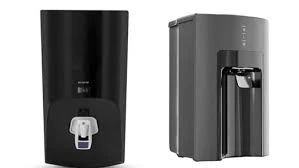
when families discuss the health of their home, the conversation often begins with clean drinking water. The filtration system may handle the purification, but the tank—the final storage point before water reaches your glass—quietly plays an equally critical role. This is where the debate between steel and plastic tanks in a Water Purifier Machine comes into focus. Many buyers underestimate this detail, only to realise later that tank material influences hygiene, durability, and even the taste of water.
Let’s unfold this in a story-like manner and address the real concerns that often stay unanswered.
The Overlooked Element in Purification
When purchasing a purifier, attention shifts to terms like RO, UV, or TDS levels. Rightfully so—these define the filtration. Yet, after purification, water sits in the storage tank before you consume it. That pause matters. If the tank is unable to preserve purity, all the effort of multi-stage filtration loses meaning. Think of it as preparing a nutritious meal and then storing it in an unclean container. Tank material, therefore, becomes a silent guardian of the purity that purification promises.
Steel Tanks: Hygiene Meets Longevity
One of the strongest arguments in favour of steel tanks is hygiene. Stainless steel, by nature, resists microbial growth. This means bacteria or algae find it hard to settle in such tanks, even if the water remains stored for hours. For households with children or elderly family members, this assurance matters because their immunity levels demand safer storage.
Durability is another edge. Steel doesn’t warp or crack over time, unlike plastic, which may degrade with prolonged exposure to water. For families that view a water purifier as a long-term investment, the reliability of steel is hard to ignore. It adds not just sturdiness but also a sense of permanence to an appliance that is used daily.
Plastic Tanks: Accessible but Compromised
Plastic tanks are common because they are easier to mould, lighter in weight, and generally more affordable. However, concerns begin to rise when we question their resistance to wear and hygiene. Over time, plastic can develop micro-cracks or scratches. These surfaces become hiding spots for microorganisms. Even with regular cleaning, the microscopic level of contamination can be difficult to prevent.
Some plastics are also known to leach trace chemicals into water, especially under heat or prolonged storage. While food-grade plastics reduce this risk, buyers are often left wondering whether their stored drinking water remains entirely unaffected. It’s this uncertainty that prompts many households to consider an upgrade.
The Hygiene Debate: Safety for Families
For parents, toddlers often become the benchmark for water quality. Their developing systems are more vulnerable, which is why many parents seek assurance beyond purification technology. A steel tank offers added safety by minimising bacterial build-up inside the reservoir. Families who store water overnight particularly benefit, since the risk of microbial growth is lower compared to plastic.
Imagine serving water first thing in the morning. If it has been sitting in a plastic tank for hours, doubts can creep in—did it retain its purity? With a steel tank, the reassurance is firmer. That peace of mind, especially when children are involved, is priceless.
Durability and Maintenance: Long-Term Thinking
Plastic tanks can require more attentive cleaning. Stains or odours can develop if maintenance is not regular. Steel tanks, in contrast, resist such issues better. While no tank is entirely maintenance-free, the cleaning process for steel is often simpler and more effective.
Durability also ties into costs that may not be apparent initially. A cracked plastic tank can mean replacement or repair, disrupting household routines. Steel tanks, with their stronger build, often outlast the appliance itself. For buyers who prefer appliances that serve them reliably for years, steel tanks feel like a smarter choice.
Taste and Freshness: The Subtle Difference
Water taste is influenced not just by purification but also by storage. Some users report a faint plastic-like taste in water stored for long hours in plastic tanks, especially in warmer climates. Steel tanks, by design, do not carry this drawback. They keep the water tasting clean and neutral, much like it was right after purification.
This subtle distinction is not about luxury but about consistency. Daily hydration becomes more reliable when the water retains its freshness, encouraging family members—especially children—to drink more without hesitation.
Addressing Buyer Concerns: Is Steel Always the Answer?
Steel isn’t without its considerations. For instance, it can make the appliance slightly heavier or more expensive upfront. But when weighed against hygiene, longevity, and safety, these trade-offs appear minor. For buyers prioritising short-term affordability, plastic remains an option. Yet, when conversations shift to long-term well-being, particularly for families with toddlers or elderly members, steel often takes precedence.
Another concern is maintenance. While steel tanks resist microbial growth, they still require periodic cleaning to prevent mineral deposits. However, the cleaning process is straightforward and does not demand specialised products.
Practical Buying Checklist
To make the choice clearer, here’s a simple checklist for buyers weighing steel vs plastic in their water purifier machine:
Family Demographics – Households with children, seniors, or health-conscious members may find steel tanks more reassuring.
Usage Habits – If water is consumed quickly after purification, plastic tanks may suffice. For overnight storage, steel is safer.
Durability Needs – Steel suits long-term investment. Plastic might appeal to those preferring lighter or compact appliances.
Maintenance Willingness – Steel requires less frequent but still consistent cleaning; plastic may need more diligence.
Budget Priorities – Short-term savings lean toward plastic; long-term value leans toward steel.
The Emotional Angle: Safe Water, Safe Home
Water is not just hydration—it is part of family rituals. From preparing meals to filling school bottles, the quality of stored water reflects the care a household puts into daily life. The tank material, though often unseen, becomes part of that story. A steel tank, with its inherent resistance to contamination, symbolises a protective layer over family health. For many households, this isn’t just about durability but about safeguarding trust in what they drink every day.
Conclusion: The Silent Role of the Tank
While purification technologies often steal the spotlight, tank material quietly decides whether that purified water retains its quality until the last sip. Steel and plastic both serve the purpose, but their differences are too significant to ignore.
A steel tank offers hygiene, durability, and peace of mind. Plastic tanks keep purifiers lighter and more accessible, but demand greater vigilance over time. Ultimately, the choice depends on how each family balances short-term convenience with long-term assurance.
When buying a Water Purifier Machine, don’t let the tank material be an afterthought. It’s the final step between purification and your family’s health—a detail that deserves attention equal to the filter itself.