The backbone of every successful economy is its infrastructure - and factory buildings are its backbone. Factory units, warehouses, logistics parks, etc., the need for strong, efficient, and economical industrial space has never been greater. And that is where a specialist industrial building construction company and experienced steel fabricators come into play. Both collectively ensure the translation of intricate architectural ideas into potent, efficient, and future-proofed buildings.
In the fast-paced construction world of today, businesses require solutions that last, are quick, and are environmentally friendly. Steel construction and industrial fabrication are leading the charge here - changing the design and operation of how industries build and maintain.
What's an Industrial Building Construction Company?
An industrial building construction company deals with the designing, planning, and building of structures that contain industrial processes. Such projects primarily consist of factories, warehouses, and power plants, and factories. Industrial buildings are distinct from residential or commercial buildings in that they need precise engineering, unique materials, and adherence to safety and operating standards.
Everything - site selection, project planning, structural designing, material procurement, and handing over - is undertaken by such companies. They maintain the shape of the building appropriate for machine planning, heavy machinery bearing, ventilation, and workflow efficiency.
The Vital Role of Steel Fabricators
Behind every successful industrial enterprise are skilled steel fabricators. They weld, cut, and bend steel components that make up the skeleton of enormous buildings. Steel is the most employed material in industrial buildings due to its strength, flexibility, and environmental friendliness.
Steel fabricators work together with building engineers to construct customised structures - beams, columns, trusses, and plates - to ensure all parties fulfil the architect's specifications.
Accurate fabrication not only increases the strength of the building but also saves time, cuts down on spending, and speeds up the building process.
Why Steel Fabrication Is So Important to Industrial Building
Unmatched Strength and Durability
Steel can tolerate extreme weather, weighty loads, and earthquakes. Steel promises long-lasting performance without bending, cracking, or corroding like conventional materials.
Speed and Efficiency
Pre-fabricated steel members are brought to the site and assembled, shortening the construction period substantially. This enables an industrial building construction company to build huge projects within shorter timelines.
Cost-Effectiveness
Even if the initial price is greater, steel buildings are less maintenance-intensive, have longer life spans, and consume less energy - and that makes them wiser economic investments.
Design Flexibility
Steel can be shaped into almost any form to accommodate unusual industrial configurations and architectural vision. From the vast factory floor to the multilevel building, steel fabricators can provide tailored solutions.
Sustainability and Recycling
Steel can be 100% recycled, aligning with world sustainability standards. Most contemporary industrial building contractors now take up green building construction, utilising green materials and energy-saving building designs.
Industrial Building Construction and Steel Fabrication Process
The pair of an industrial building contractor and steel fabricators is a step-by-step, systematic process:
Project Design and Planning
Engineers examine site conditions, industrial needs, and codes of safety. They devise elaborate plans incorporating the specifications of steel structures.
Fabrication and Material Preparation
Steel fabricators produce parts in an environment that is shielded from the weather using advanced machines like CNC plasma cutters, welders, and bending equipment to offer precision.
Transportation and Assembly on Site
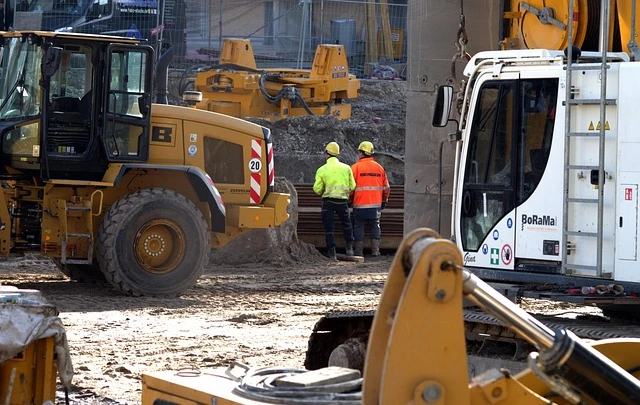
Prefabricated parts are transported to the site for speedy assembly. Columns, beams, and roof frames are fitted by the construction crew with stringent checks for quality and safety measures.
Finishing and Commissioning
Once assembled, the building goes through finishing work, electrical and HVAC fitting, and testing before being commissioned for use. Industries That Are Reaping the Rewards of Steel-Based Construction. Contemporary industrial construction Company cater to various industries that use steel framing:
Manufacturing Facilities: For assembly lines and heavy equipment.
Warehouses & Logistics Centres: For expansive, open spaces with few interior columns.
Power & Energy Facilities: Where strength and high-load capability are the top priority.
Food & Beverage Industry: For hygienic and corrosion-resistant applications.
Automotive Facilities: With high ceilings and sophisticated ventilation.
Each sector is addressed by custom steel solutions from master steel fabricators for safety, efficiency, and maximum operation.
Benefits of Working with the Ideal Construction Company
Selecting the finest industrial building construction contractor provides more than strong buildings. They provide smooth project completion, compliance with safety standards, and future expandability. The best partner will:
- Offer turnkey construction services
- Work closely with skilled steel fabricators
- Have open communication through all project phases
- Use advanced technologies such as BIM (Building Information Modelling) for cost-effectiveness and precision
- Provide timely project delivery without compromising on quality
Future Trends in Industrial Construction and Steel Fabrication
Technological innovation and sustainability are shaping the industrial construction future. Industrial construction firms are adopting modular steel construction, robot welding, and artificial control to enhance their efficiency of operation. Steel fabricators are adopting automation, laser cutting, and smart materials to enhance accuracy and reduce losses.
In addition, green steel, manufactured using low-carbon processes, is a game-changer that is allowing organisations to meet their sustainability goals without affecting levels of performance.
Conclusion:
Building Stronger, Smarter, and Greener. It is the collaboration in the current industrial era of an industrial building construction firm and a steel fabricator that is the key to success. They merge, exchange expertise, and make every undertaking a tall order - literally and metaphorically - with structural strength, design functionality, and longevity.
Concept to completion, steel use in industrial construction is on the leading edge of technology, empowering industries shaping the world to come. As the demand for quicker, safer, and greener solutions expands, investment in the right building partner and fabrication specialists is not a choice - it's a requirement. Together, they work and turn every project into a high order - literally and figuratively - with structural integrity, design effectiveness, and enduringness.
From design to delivery, steel application in industrial buildings remains at the forefront of innovation, empowering industries that construct the world's future. With the growing need for speedier, safer, and greener solutions, investing in the right building partner and fabrication specialists is no longer a choice - it's necessary.